REVIEW · KRAKOW
From Krakow: Auschwitz-Birkenau & Wieliczka Salt Mine Tour
Book on GetYourGuide →Operated by Cracow Tansfer&Tours · Bookable on GetYourGuide
Some tours hit two UNESCO sites in one day. This one does—hard. You’ll start by paying respects at Auschwitz-Birkenau, then head underground to the Wieliczka Salt Mine. It’s a long day, but it’s also a very organized way to see two of Poland’s most important places without wasting time.
I love how the day balances meaning and logistics: a professional, live guide at Auschwitz-Birkenau and Wieliczka, plus headsets so you can actually hear the story (even in groups). I also like that the tour includes admission and transport from Krakow, so you’re not piecing anything together yourself.
One drawback to plan for: the schedule can start very early, and the pacing at the memorial is set by site staff. So if you want a relaxed morning, this is not that kind of day.
In This Review
- Key Things to Know Before You Go
- A One-Day Double UNESCO Plan from Krakow
- Pickup, Transport, and the Reality of a Long Start
- Auschwitz-Birkenau Museum: How the Guided Tour Works
- What You Should Expect to See at Auschwitz-Birkenau
- Moving On to Wieliczka: The Contrast You’ll Feel
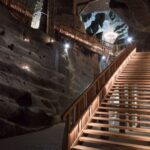
- The Underground Sights of Wieliczka Salt Mine
- Getting Value from the Price: What $279 Covers
- Timing, Walking, and What to Pack (So You Don’t Hate It)
- Best Fit: Who This Tour Suits
- What the Organization Gets Right (And Why It Matters)
- Should You Book This Krakow Day Trip?
- FAQ
- How long is the Krakow Auschwitz-Birkenau & Wieliczka Salt Mine tour?
- Is pickup and drop-off included in Krakow?
- Does the tour include admission tickets?
- Is food included during the tour?
- What language is the live guide?
- Can I take photos at Auschwitz-Birkenau and the salt mine?
- What should I bring?
- Who should avoid this tour?
Key Things to Know Before You Go
- Skip-the-ticket-line support helps you move through key entry steps faster.
- Headsets make the guided explanations much easier to follow.
- Auschwitz-Birkenau museum context: the museum dates to 1947 and is a UNESCO site since 1979.
- Wieliczka at 135 meters down: you’re going underground with a guide, not just walking around.
- Bring warm layers for the mine: it’s colder underground than in Krakow.
- Flash is prohibited and backpacks aren’t allowed inside the museum areas.
A One-Day Double UNESCO Plan from Krakow
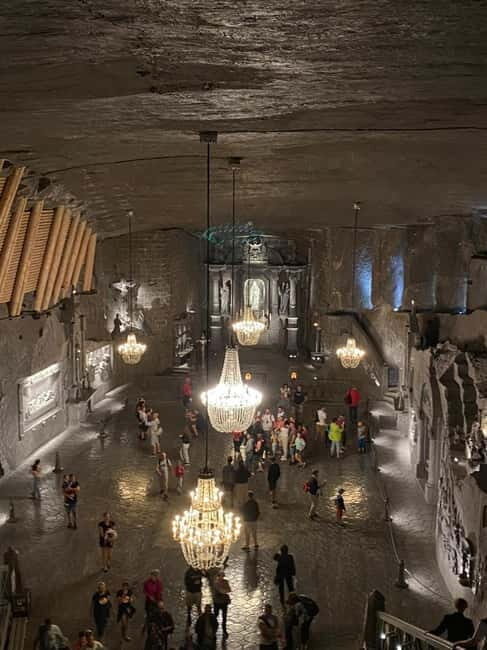
This is a serious day trip, and it works because it’s built as a two-part route: historical remembrance first, then a very different kind of wonder underground.
On paper, it’s simple. In real life, you’ll feel the shift. Auschwitz-Birkenau asks for focus and stillness. Wieliczka Salt Mine is about craftsmanship, strange beauty, and human creativity—carved into salt over time. When both are done with guides who know how to pace the information, you get something more than a checklist.
The tour runs about 12 hours, and it includes pickup and drop-off in Krakow (when you choose your pickup point). That matters because both locations are outside the city, and you don’t want to spend your day navigating buses and timing entry windows.
Other Wieliczka Salt Mine guided tours we've reviewed in Krakow
Pickup, Transport, and the Reality of a Long Start
Your day begins with a morning pickup from your chosen point in Krakow. The drive to Auschwitz-Birkenau is handled by air-conditioned car and bus, so you stay comfortable while you’re heading out.
Here’s the practical point: start times can feel earlier than you expect. One review noted that the originally planned 6:00 a.m. pickup became 3:30 a.m., which is the kind of surprise that can wreck sleep plans. That isn’t something you can control, so I’d treat this as an early-day commitment from the start.
Once you’re on the road, you also get something underrated: time to arrive without stress. Having transport and a guide-led plan reduces the pressure of figuring out where to line up, when to enter, and how to transition from one site to the other.
Auschwitz-Birkenau Museum: How the Guided Tour Works
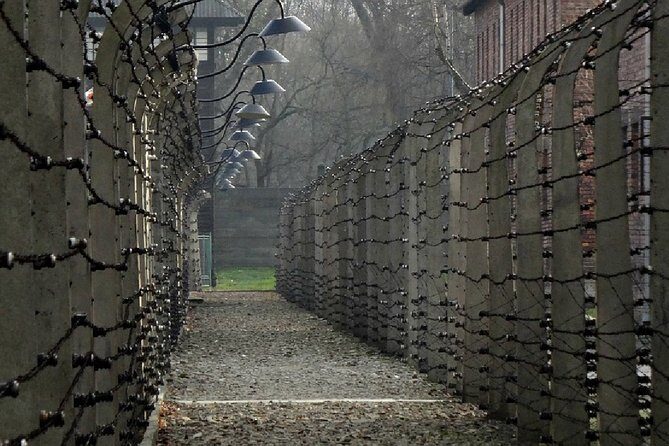
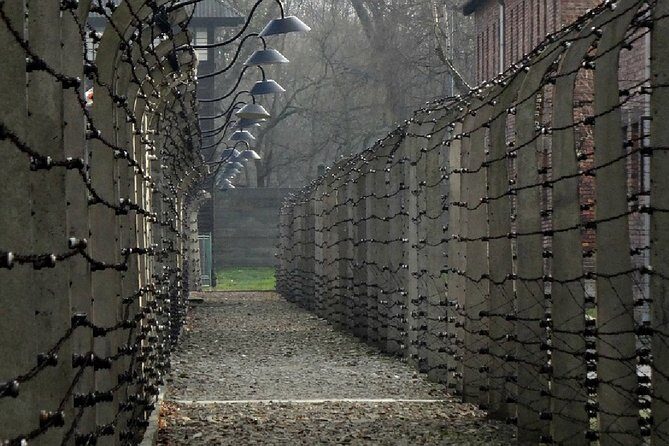
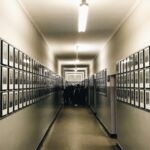
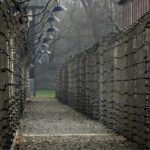
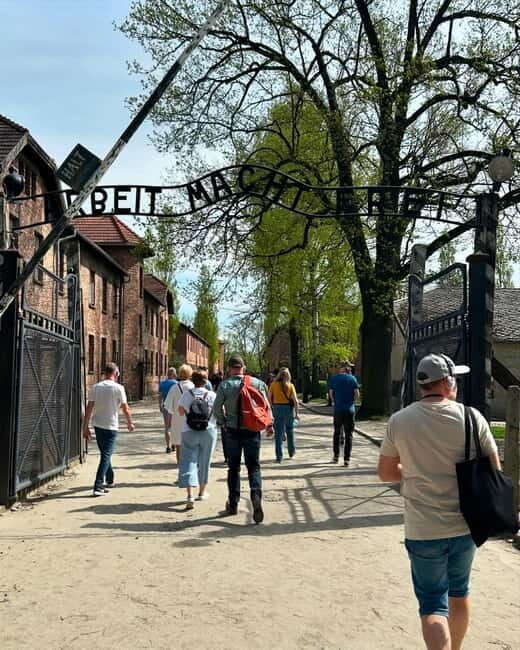
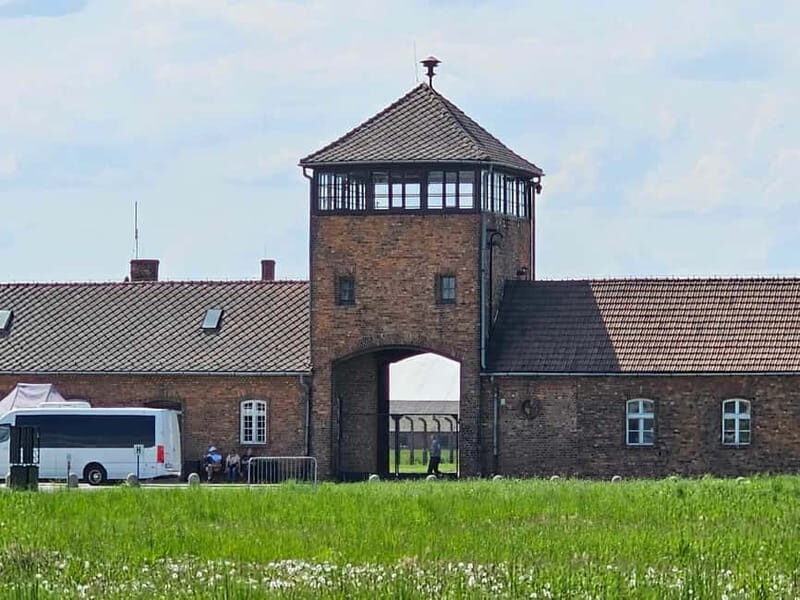
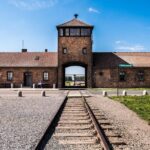
The tour’s first big stop is Auschwitz-Birkenau Museum, the former German Nazi concentration and extermination camp. You’re visiting the site with a guide who explains the camp’s history and why it remains a global symbol connected to the Holocaust.
You’ll go through the museum areas as part of a guided route. The museum itself was created in 1947, and it became a UNESCO World Heritage Site in 1979—so you’re not just seeing old buildings. You’re also seeing how the story has been organized and preserved for visitors over time.
The tour includes admission, and it offers skip-the-ticket-line support. That helps because the site is busy. The guide and headsets also help you keep your bearings. Without that, you can easily end up walking fast and only half understanding what you’re looking at.
A note on pace: the rhythm of your visit is determined by memorial site staff. The tour operator and guide can’t control every timing element, including breaks and how long each section takes.
And yes, this is emotional. The tour info recommends preparing emotionally for Auschwitz-Birkenau. I agree with that. Even if you’ve read history before, the physical reality of the place hits differently.
What You Should Expect to See at Auschwitz-Birkenau
The day’s Auschwitz section is built around the camp’s most important historical areas—so you can follow the story rather than wandering randomly.
Practically, you should expect a lot of walking and a need to stay present. Even if you’re used to traveling fast, this isn’t the time to rush. Wear comfortable shoes and plan for uneven ground and long stretches between stops.
You’ll also want to know the photo rules. Photography is allowed, but flash photography is prohibited. That means you can capture moments for memory, but you have to respect the rules of a sensitive site.
The tour includes headsets, which I found genuinely useful for Auschwitz-style explanations. In many group settings, you end up straining to hear the guide. Here, you’re more likely to understand what matters.
Moving On to Wieliczka: The Contrast You’ll Feel
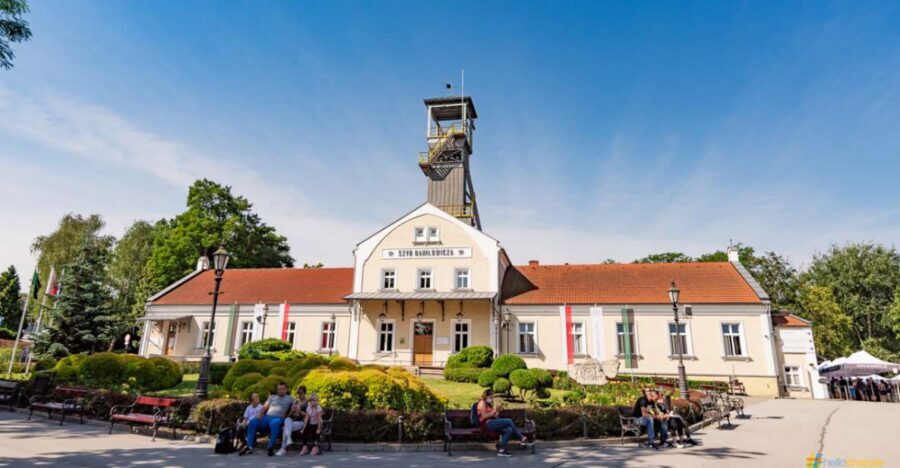
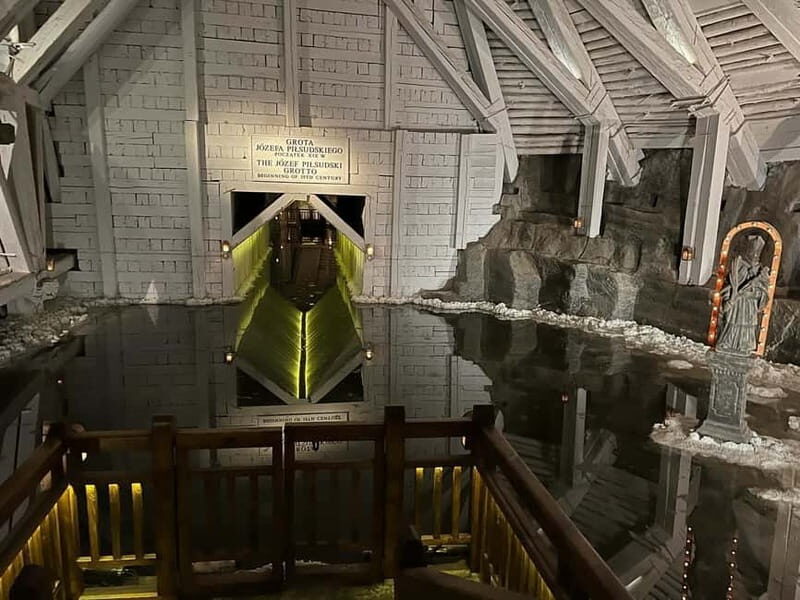
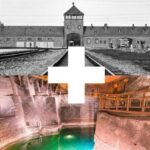
After Auschwitz-Birkenau, you drive to Wieliczka Salt Mine. This transition is part of what makes the day impactful. You go from remembrance to a world built out of stone and salt, where the visual spectacle comes from underground chambers, lakes, and carved forms.
The mine part of the day includes the key moment: you descend 135 meters underground with a professional guide. That’s a real change in pace and atmosphere.
It also changes what you’ll be paying attention to. Auschwitz asks for meaning and context. Wieliczka asks for patience and noticing craft.
Other Auschwitz-Birkenau combo tours from Krakow



The Underground Sights of Wieliczka Salt Mine
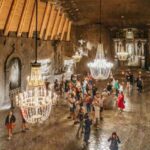
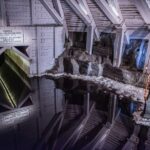
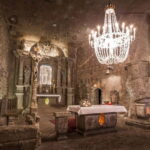
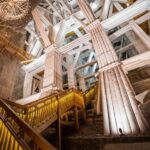
Once underground, you’ll see several highlights described as part of the guided experience:
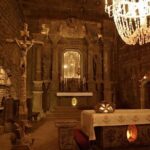
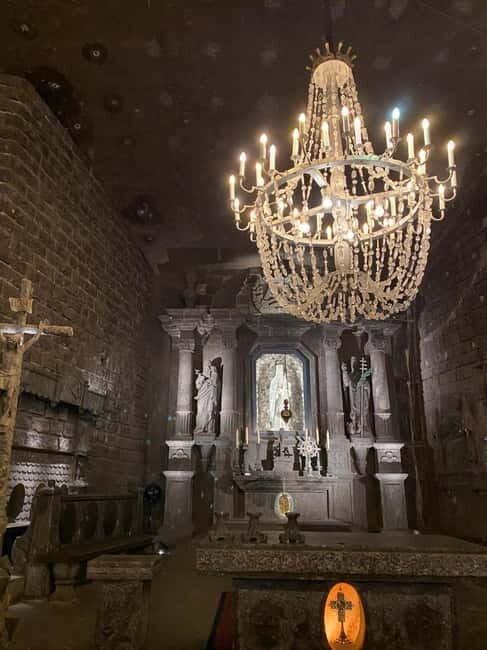
- chambers carved in salt
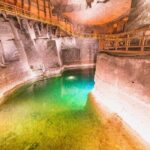
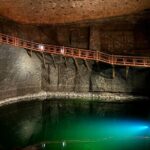
- amazing underground lakes
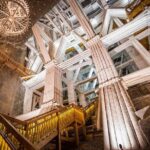
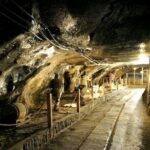
- majestic carpentry structures
- unique salt sculptures
This is where the tour’s guide makes a big difference. Without explanations, it’s easy to admire shapes and forget what you’re looking at historically. With a guide, you connect what’s carved and built with why it exists.
A practical tip: the temperature underground is lower, so bring warm clothing even if Krakow is mild on the surface. You’ll be glad you did, especially if you’re sensitive to cold.
Wieliczka is also where the tour’s planning pays off. You’re not trying to coordinate entry, groups, and guided timing on your own. You show up, descend, and follow the route with the group.
Getting Value from the Price: What $279 Covers
At $279 per person for about 12 hours, this isn’t a budget tour. But it can still feel good value if you compare what you’re getting:
You’re paying for:
- pickup and drop-off in Krakow
- air-conditioned transportation (car and bus)
- admission to both attractions
- a professional guide at both sites
- headsets for clear listening
- a structured day that handles the transitions for you
The big value piece is the combo: two distant UNESCO sites in one day with guide-led meaning, not just transportation. If you tried to do this yourself, you’d still be paying for admission and you’d spend time solving logistics under tight schedules.
That said, the price makes sense most when you strongly want both sites in the same day. If your priority is only one, you might do better picking a single-site tour and saving time (and money).
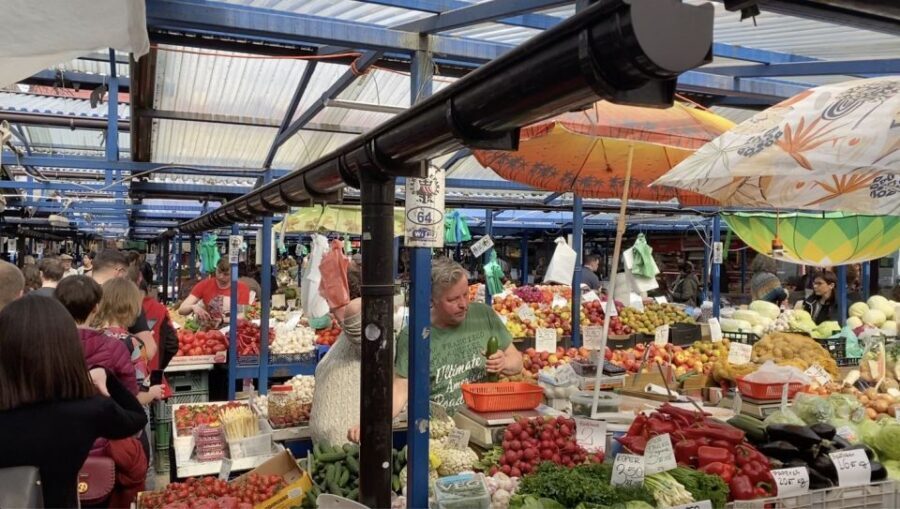
Also, remember this price doesn’t include food. Plan to eat outside the museums. The tour info says food and drinks aren’t allowed inside the museum, so you’ll want to handle that around the tour schedule.
Timing, Walking, and What to Pack (So You Don’t Hate It)
This day is physically demanding in a normal travel way: shoes matter, and weather matters, and you’ll be on your feet.
Here’s what you should pack and wear based on the tour rules:
- Comfortable shoes (lots of walking)
- warm layers for the salt mine (it’s colder underground)
- water
- weather-appropriate clothing
- passport or ID card (a copy is accepted)
Rules that can catch people off guard:
- Flash photography isn’t allowed.
- Backpacks and larger bags aren’t allowed inside the museum. Storage is available.
If you hate carrying a backpack, travel light. Bring what fits in the allowed baggage situation and plan for the storage rules. Your day runs more smoothly when you’re not stressed about what you’re carrying.
Also, a small reality: the memorial site controls the pace. That’s not a deal-breaker, but it does mean you can’t treat Auschwitz like a timed “walk-through.” You may wait, slow down, or follow timing that doesn’t match your personal calendar.
Best Fit: Who This Tour Suits
This tour is best for people who:
- want to see both UNESCO sites in one day
- prefer a guided experience with explanations and headsets
- are okay with a long day and early start
- can handle emotionally sensitive content with respect and care
It’s not suitable for:
- children under 10
- people with claustrophobia (the mine involves descending underground)
- wheelchair users
If you’re traveling with mobility needs, you’ll likely need a different plan. If claustrophobia is a concern, you should think hard before booking a salt mine tour that includes a descent.
For most adults, though, it can be a well-run way to cover two major stops without wasting time.
One more practical note from experience in the day: your driver and the organization level matter. Reviews highlighted drivers who were punctual and helpful. One named example was Marlena, who helped arrange an earlier entrance to the salt mine for a smoother flow. That kind of support can turn a long day into something you actually enjoy.
What the Organization Gets Right (And Why It Matters)
The tour’s structure is what makes it feel manageable: you have transportation, entry, a guide, and headsets. That reduces the number of moments where you’re left figuring things out alone.
In reviews, the praised elements were basically consistency:
- pickup at the arranged time
- clear communication
- friendly, helpful chauffeurs
- expert guides who explain things in a way you can follow
That’s not flashy, but it matters. For Auschwitz-Birkenau especially, you want to understand what you’re seeing as you go, not after.
There’s also an important contrast in the reviews: one person mentioned an early pickup surprise related to Auschwitz ticket processing. That doesn’t necessarily point to a problem with the tour itself, but it does reinforce your planning lesson: be ready for an early morning and don’t schedule anything tight that day besides the tour itself.
Should You Book This Krakow Day Trip?
I’d book this tour if you want a guided, two-site UNESCO day built around real meaning and real sights—and you’re prepared for the long hours.
Do book it if:
- you feel comfortable visiting Auschwitz-Birkenau with a guide and following site pacing
- you want to see Wieliczka the right way, with an underground guided descent at 135 meters
- you want pickup and drop-off from Krakow so the logistics don’t eat your day
- the idea of salt chambers, underground lakes, carpentry structures, and salt sculptures sounds worth the cold and the walking
I’d skip it if:
- you need a more relaxed schedule
- your group includes someone who can’t handle underground spaces
- you’re looking for minimal walking or easier accessibility options
Bottom line: this is a serious, long day with strong guidance and solid convenience. If you show up ready—warm clothes, good shoes, and a respectful mindset—you’ll leave with two very different kinds of understanding: history you can’t ignore, and a mine that proves how much humans can carve from salt.
FAQ
How long is the Krakow Auschwitz-Birkenau & Wieliczka Salt Mine tour?
The total duration is 12 hours.
Is pickup and drop-off included in Krakow?
Yes. Pickup and drop-off are included when you select your hotel or meeting point option and provide the pickup address.
Does the tour include admission tickets?
Yes. Admission to Auschwitz-Birkenau Museum and the Wieliczka Salt Mine is included.
Is food included during the tour?
No. Food and drinks are not included, and food and drinks aren’t allowed inside the museum.
What language is the live guide?
The tour offers a live English guide.
Can I take photos at Auschwitz-Birkenau and the salt mine?
Photography is allowed, but flash photography is prohibited.
What should I bring?
Bring comfortable shoes, warm clothing, water, weather-appropriate clothing, and an ID or passport (a copy is accepted).
Who should avoid this tour?
It isn’t suitable for children under 10, people with claustrophobia, or wheelchair users.