REVIEW · KRAKOW
Schindler’s Factory + Ghetto in Krakow and Wieliczka Tour
Book on GetYourGuide →Operated by CRACOW LOCAL TOURS · Bookable on GetYourGuide
Two worlds, one unforgettable Krakow day. I like how this combines Schindler’s Factory and the Wieliczka Salt Mine into one smooth 7-hour outing, with a licensed museum guide for the toughest WWII context and then time underground on your own. The only real heads-up: the salt mine tour involves lots of walking and climbing stairs.
I also like that you’re not just reading about history here—you’re seeing it mapped onto real streets, buildings, and monuments in Podgórze. You’ll start with a museum-style approach, then switch gears to a self-paced underground experience in a mine that’s centuries old.
This is a strong pick for first-timers in Krakow who want big, well-known sights without juggling tickets and timing all day. Just keep your shoes comfy and your schedule realistic.
In This Review
- Key Highlights Worth Marking On Your Map
- Schindler’s Factory Museum: WWII Stories You Can Place in Reality
- Podgórze Ghetto Walk and the Empty Chair Monument in Heroes’ Square
- The Ghetto Wall, Houses, and Under the Eagle Pharmacy
- The Drive to Wieliczka: Changing From WWII to 700-Year-Old Salt
- Wieliczka Salt Mine: Exploring Underground at Your Pace
- Price and Value: Is $136 Per Person Worth It?
- Meeting Point, Timing, and How the Day Flows
- What to Bring (and What to Avoid) for a Smooth Day
- Who This Tour Fits Best (and Who Might Want a Different Plan)
- Should You Book Schindler’s Factory + Ghetto and Wieliczka?
- FAQ
- How long is the tour?
- Where do we meet, and where does the tour end?
- What is included in the price?
- Is there a live guide during the experience?
- Does this tour include skip-the-line entry?
- Is the Wieliczka Salt Mine visit guided?
- What should I expect in the salt mine?
- What should I wear or bring?
- Are pets allowed?
- Can I cancel for a refund?
Key Highlights Worth Marking On Your Map
- Skip-the-line entry helps you get moving sooner at Schindler’s Factory
- Licensed English-speaking museum guide for the WWII story and context
- Podgórze ghetto walk through the streets tied to what happened during WWII
- Empty Chair Monument in Heroes’ Square, featuring 68 symbolic chairs
- Undestroyed wall + historic buildings you can still stand beside in the ghetto area
- Wieliczka Salt Mine self-paced exploration after transport from Krakow
Schindler’s Factory Museum: WWII Stories You Can Place in Reality
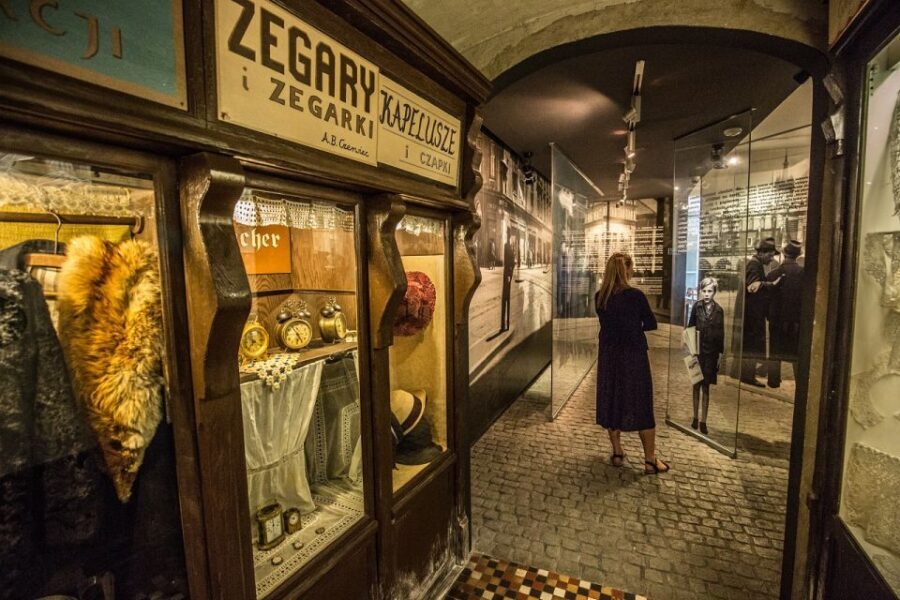
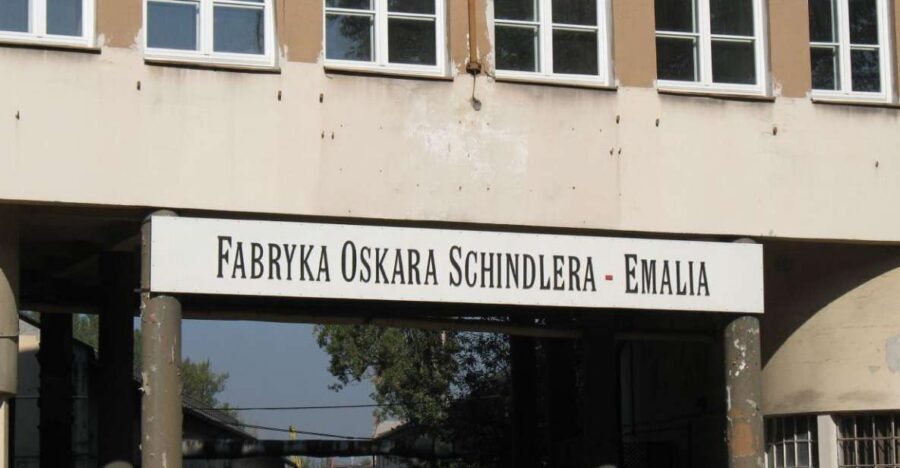
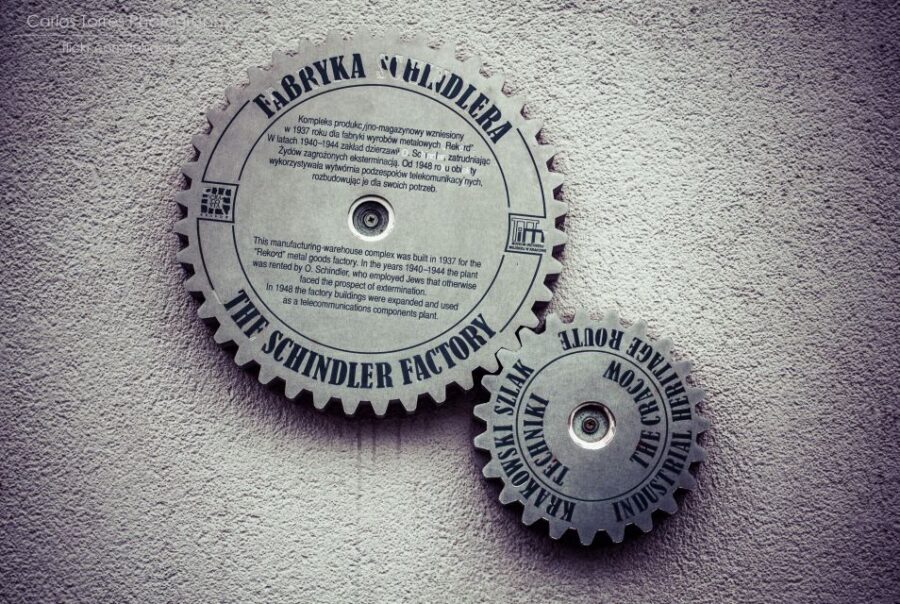
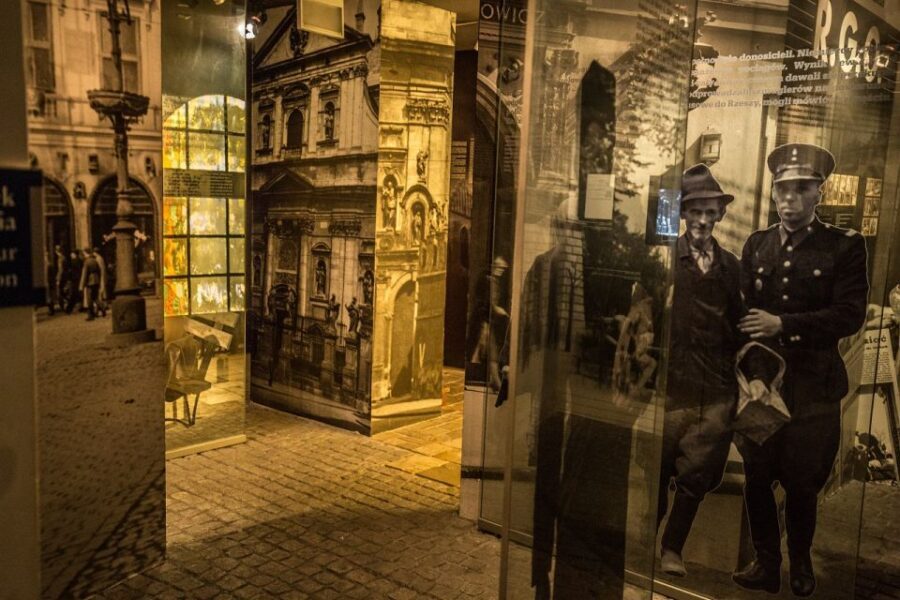
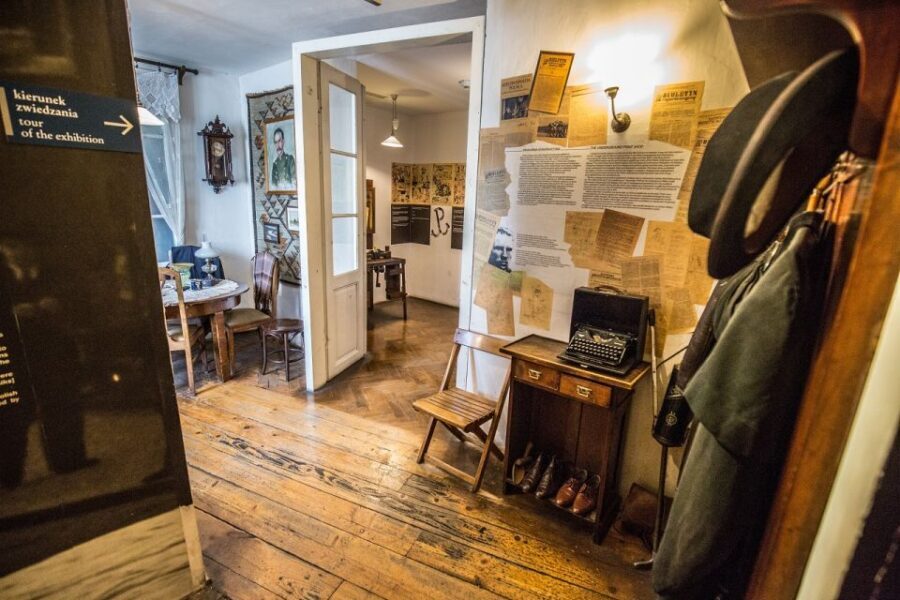
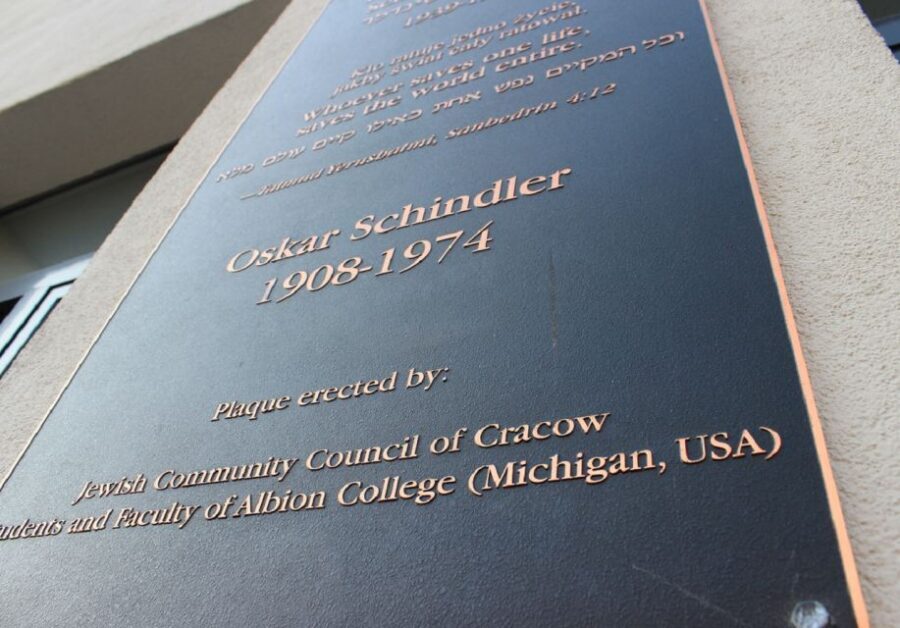
Schindler’s Factory is the kind of museum visit that gives you a spine for the history you’ve seen in films. The tour is led by a licensed museum guide in English, and you’ll learn about Oskar Schindler, a German entrepreneur featured in Stephen Spielberg’s Oscar-winning film Schindler’s List. That film reference is useful as a starting point, but the point here is the museum’s documentary-style explanation of what took place and why certain people acted the way they did.
I like this approach because it prevents the common problem of treating WWII history like a set of vague facts. With a guide, you get the timeline and motivation behind the story, not just the names. It also helps you understand how industrial space became entangled with persecution and survival.
A practical note: museums move at a human pace, but this one is emotionally heavy. You’ll get the most out of it if you give yourself a moment between rooms, so the information lands before you rush to the next exhibit.
Other Schindler's Factory combo tours in Krakow


Podgórze Ghetto Walk and the Empty Chair Monument in Heroes’ Square
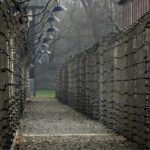
After the museum, the tour shifts from indoor history to outdoor geography. You’ll stroll the former Jewish ghetto area in Podgórze and see evidence of the terrible events that occurred during the Second World War. This part works well because you’re not looking at history at arm’s length—you’re watching the city show you where people lived, were displaced, and were marked by the Nazi regime.
One of the emotional anchors is the Empty Chair Monument in Heroes’ Square. It uses a symbolic design: 68 chairs representing those connected to the tragedies. Even if you only spend a minute reading it, it gives you a focal point so the walk doesn’t feel like a long blur of streets and plaques.
If you prefer structure, this section delivers it. You’ll see the physical footprint of the ghetto area and you’ll connect that footprint to what the guide explained earlier. That “museum to street” flow is exactly why this tour combo makes sense.
The Ghetto Wall, Houses, and Under the Eagle Pharmacy
The Podgórze portion isn’t just general sightseeing. You’ll see specific remnants that help you visualize scale—like a section of undestroyed wall around the ghetto and the idea of where thousands of displaced Jews used to live. The fact that part of the wall still exists matters, because it turns an abstract tragedy into a real boundary in real space.
You’ll also pass the pharmacy known as Under the Eagle. It’s the kind of detail that can be easy to miss on a self-guided stroll, because it doesn’t look like a “big monument” from far away. But on a guided walk, those kinds of locations connect everyday life to a period when daily routines were crushed and reshaped.
This part is best when you let it slow you down. Stand where the guide tells you to stand, and take a minute to look around. The buildings are close enough that you can actually picture how crowded conditions must have felt. It’s not just information—it’s perspective.
The Drive to Wieliczka: Changing From WWII to 700-Year-Old Salt
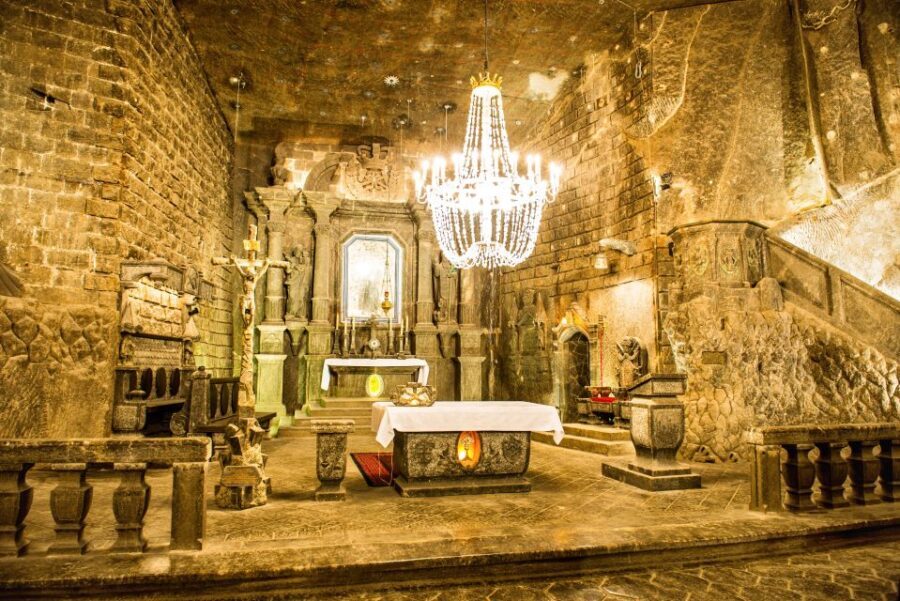
The second half takes you away from Krakow’s center and into the nearby town of Wieliczka, about 10 kilometers from Krakow. You’ll be driven there, which keeps the day practical and reduces stress. And the shift in theme is big: from WWII history on the surface to an underground world shaped by salt for centuries.
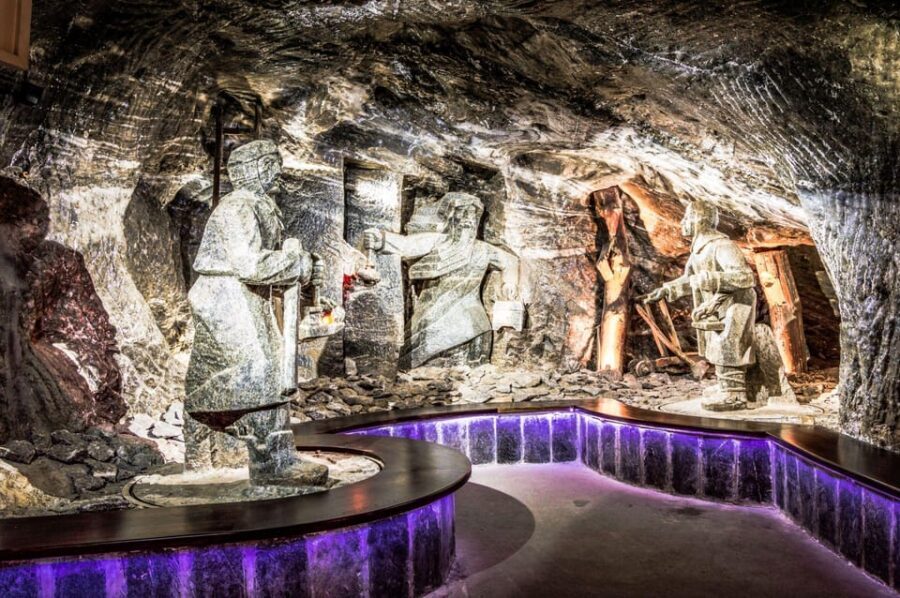
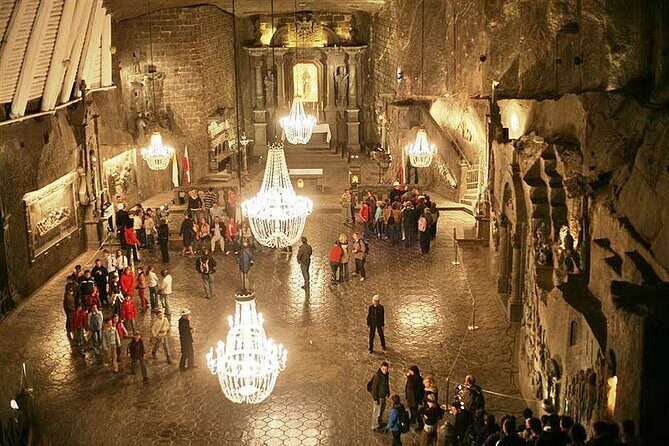
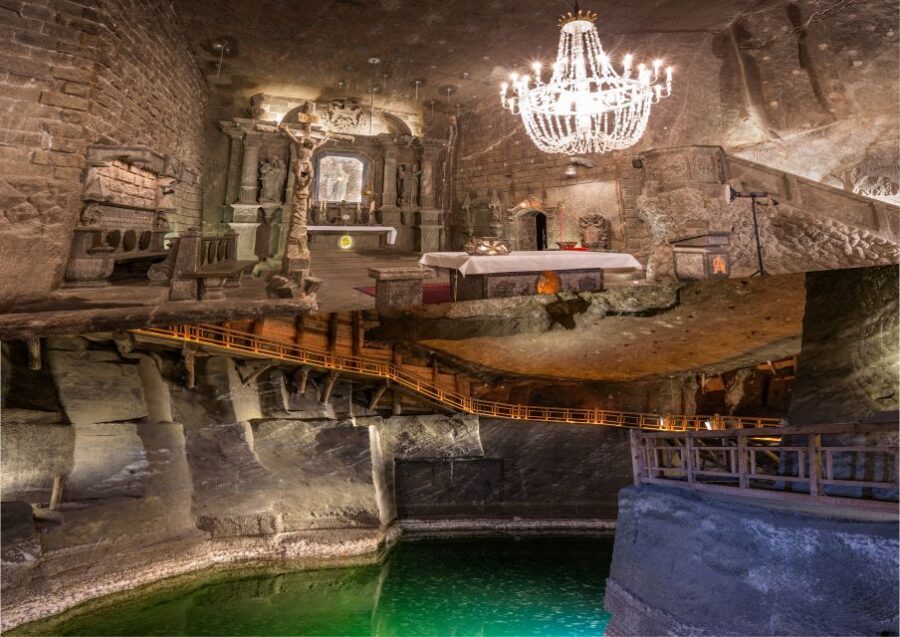
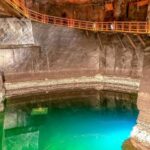
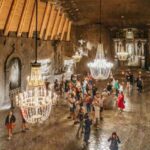
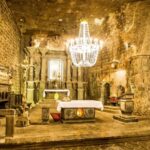
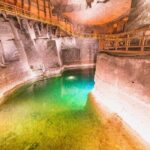
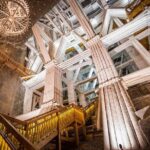
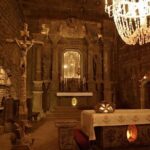
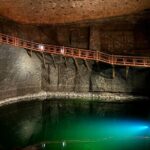
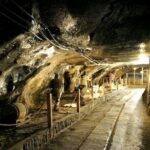
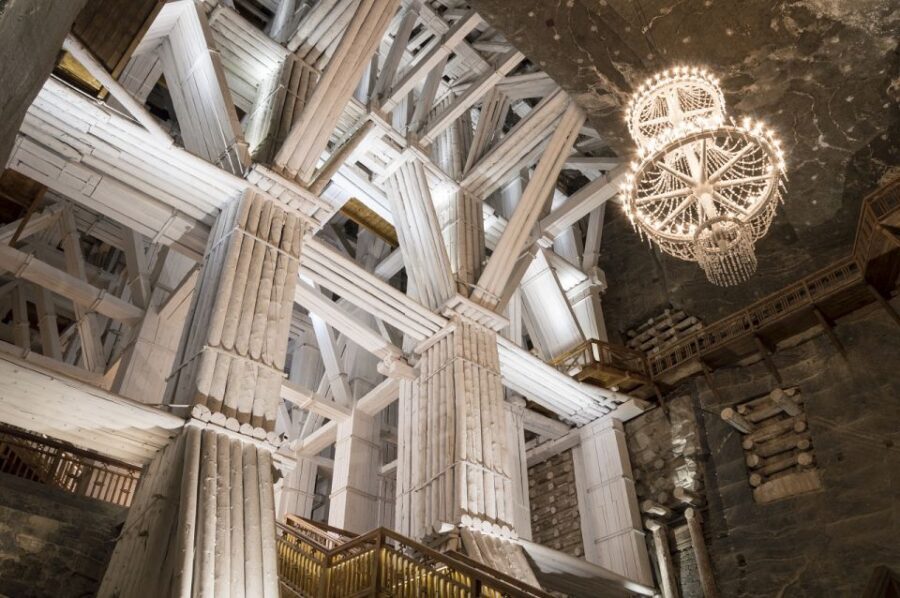
Wieliczka isn’t a quick stop like a small themed attraction. This is one of Europe’s largest old salt mines, and the tour time reflects that. The mine reaches 340 meters deep, and the total length of corridors and tunnels is over 245 kilometers. Those numbers help you understand why the visit feels like an entire world rather than a single room.
The format also changes: once you arrive, you explore at your own pace without a guide. That’s a smart design choice for this kind of attraction because it lets you move slower through the parts you like and faster through the parts you don’t.
Wieliczka Salt Mine: Exploring Underground at Your Pace
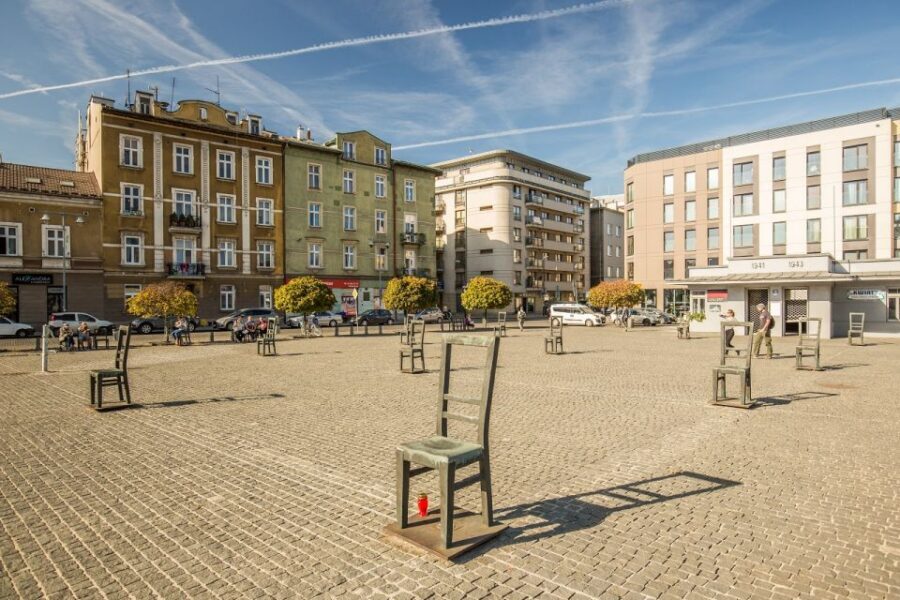
This is where the day becomes physically demanding—in a different way than museums. The salt mine visit is typically walking-heavy, and in this tour you’ll be doing it without a guide in the mine itself. That means your experience depends a lot on your own timing: you can linger on the spots that catch your eye, or you can keep a steady pace to avoid getting tired too early.
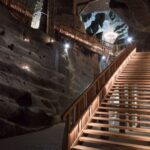
The tour information also flags that the regular salt mine tour requires lots of walking and climbing stairs. That’s the one detail you can’t ignore. If you’re someone who dislikes stairs or gets winded easily, plan to go slow and take breaks when you need them.
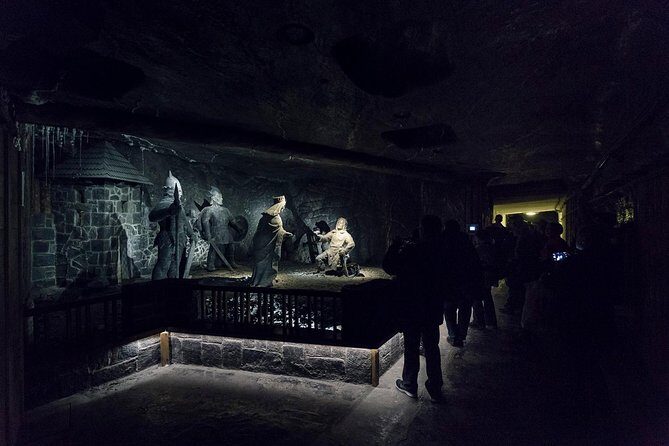
What I like about going self-paced underground is simple: you don’t feel pressured to match someone else’s pace. You’re free to pause for photos, read what you can, or just look around and take in the scale of the underground environment.
You will still want to use your senses. Salt mines have a distinct atmosphere, and being down there long enough makes the story of the mine feel tangible, not just scenic.



Price and Value: Is $136 Per Person Worth It?
At $136 per person, this is not a bargain-basement day. But it also isn’t just paying for one landmark. You’re buying admission to two major sites: Schindler’s Factory Museum and the Wieliczka Salt Mine. You’re also getting transportation between Krakow and Wieliczka and a live English guide for the museum and the ghetto walk.
Here’s where the value calculation usually lands for people: this saves you from assembling a plan yourself. You’re not dealing with separate ticket lines for each place and trying to stitch together timing across two locations. The tour also includes skip-the-ticket-line access at Schindler’s Factory, which matters because it cuts time when your schedule is tight.
One thing not included is food and drinks. That’s common, but it changes your budgeting. You’ll want to plan a meal before you start or after you return, so the day doesn’t end with you scrambling for something quick.
If you want a single-day hit of WWII context plus a “wow” underground destination, the price is easier to justify.
Meeting Point, Timing, and How the Day Flows
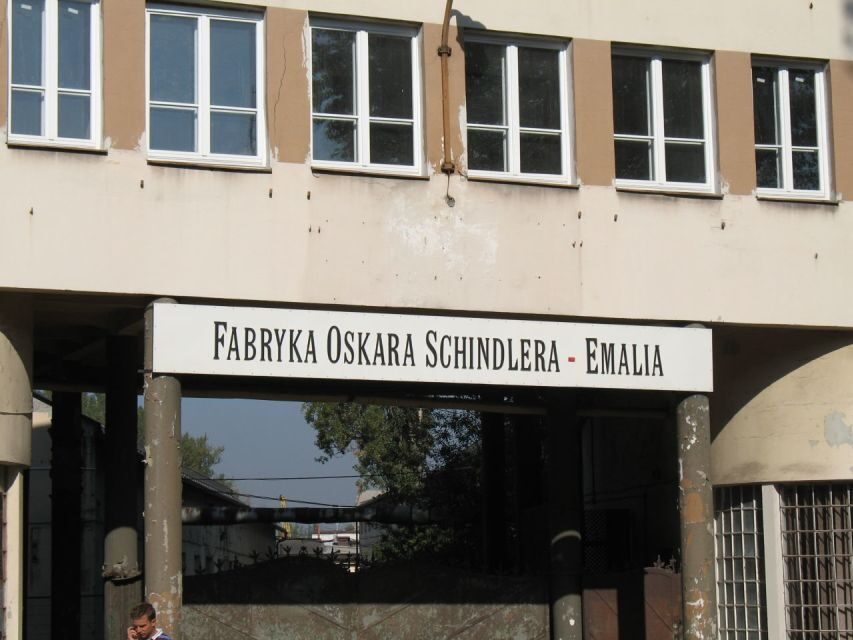
The tour starts at the front of the main entrance to the Schindler’s Factory Museum, with an excursions.city sign. It ends back at the same meeting point. That round-trip structure is handy because you don’t have to worry about getting back across town after Wieliczka.
Duration is listed as 7 hours, and starting times depend on availability. That matters if you’re juggling a Krakow itinerary with other paid activities. If you can choose, pick the start that gives you an easy buffer for dinner plans afterward.
The day’s structure is clear: museum first with a licensed guide, then walking through the ghetto area and monuments, then transport to Wieliczka for an at-your-own-pace underground visit. You’ll feel the shift in tone and movement level as the day goes on—serious and focused upstairs, then physically active underground.
What to Bring (and What to Avoid) for a Smooth Day
This tour is straightforward, but you’ll want to respect the basic rules. Bring comfortable shoes. That’s not just generic advice—this includes the salt mine portion with significant walking and stairs.
There are also restrictions: pets aren’t allowed, and sleeveless shirts aren’t allowed. If you’re someone who packs light for warm weather, keep a light layer or a shirt option that meets the rule.
It’s also noted that this is not suitable for wheelchair users. If you or someone in your group needs mobility support, this tour likely won’t be a comfortable fit because of the stairs and walking required in the salt mine.
Finally, because food and drinks aren’t included, plan your energy. The day is long enough that skipping a meal beforehand can make the mine stairs feel harder than they need to be.
Who This Tour Fits Best (and Who Might Want a Different Plan)
I think this fits best if you want two anchor experiences in one day: meaningful WWII context and a major, famous Krakow-area attraction. The combination is especially good for history-focused visitors who also want a break from heavy indoor museums and a chance to explore something physical and memorable.
It also suits people who like guided interpretation for the first half and then freedom for the second. A live museum guide helps you understand what you’re seeing in Schindler’s Factory and in the ghetto walk, while the self-paced mine visit gives you control over how long you spend underground.
If you hate stairs, you may want to rethink this schedule or look for an alternative that reduces climbing. This tour is built around the regular salt mine walking route.
Should You Book Schindler’s Factory + Ghetto and Wieliczka?
Book it if you’re excited by a guided, English-language explanation of the WWII story, and you’re up for a long day that mixes walking with a self-paced underground experience. The tour’s structure—museum guide first, then Podgórze streets and monuments, then Wieliczka—makes the day feel connected instead of random.
Don’t book it if you know you can’t handle the regular salt mine’s walking and stairs. In that case, you might still want the WWII museum experience, but you’d likely be happier with a plan that doesn’t require a full mine route.
If you’re deciding based on value, the pricing makes more sense when you truly want both attractions in one shot, with transportation and admission handled for you.
FAQ
How long is the tour?
The tour duration is 7 hours.
Where do we meet, and where does the tour end?
You meet the guide in front of the main entrance to the Schindler’s Factory Museum, with the excursions.city sign. The tour ends back at the same meeting point.
What is included in the price?
Admission tickets to Schindler’s Factory Museum and the Wieliczka Salt Mine are included, along with a guided tour and transportation between Krakow and Wieliczka.
Is there a live guide during the experience?
Yes, the tour includes a live tour guide (English).
Does this tour include skip-the-line entry?
Yes, it includes skipping the ticket line.
Is the Wieliczka Salt Mine visit guided?
You’re driven to Wieliczka and then you explore the mine at your own pace without a guide.
What should I expect in the salt mine?
The regular salt mine tour requires lots of walking and climbing stairs.
What should I wear or bring?
Wear comfortable shoes. Sleeveless shirts are not allowed.
Are pets allowed?
No, pets are not allowed.
Can I cancel for a refund?
Yes. Free cancellation is available up to 24 hours in advance for a full refund.