REVIEW · KRAKOW
Kraków: Auschwitz-Birkenau & Salt Mine Full-Day Guided Tour
Book on GetYourGuide →Operated by KrakowTouring.com · Bookable on GetYourGuide
This is one of Kraków’s most serious days, and it’s also surprisingly efficient. You get an English-led Auschwitz-Birkenau visit with a museum educator plus a second stop underground at the Wieliczka Salt Mine. The day is packed and long, so the main drawback is the early start and the fact that it’s a heavy, emotional experience.
I like how this tour handles both sides of the day: respectful, guided structure at Auschwitz-Birkenau, then a clear, timed route down into Wieliczka with the route broken into manageable chunks. If you’re sensitive to long standing and a tight schedule, plan ahead and bring layers.
In This Review
- Key things you’ll notice right away
- Why Kraków’s Auschwitz and Wieliczka day combo works
- Morning logistics: pickup times, minibus comfort, and what to pack
- Auschwitz I: walking the preserved site with museum-led context
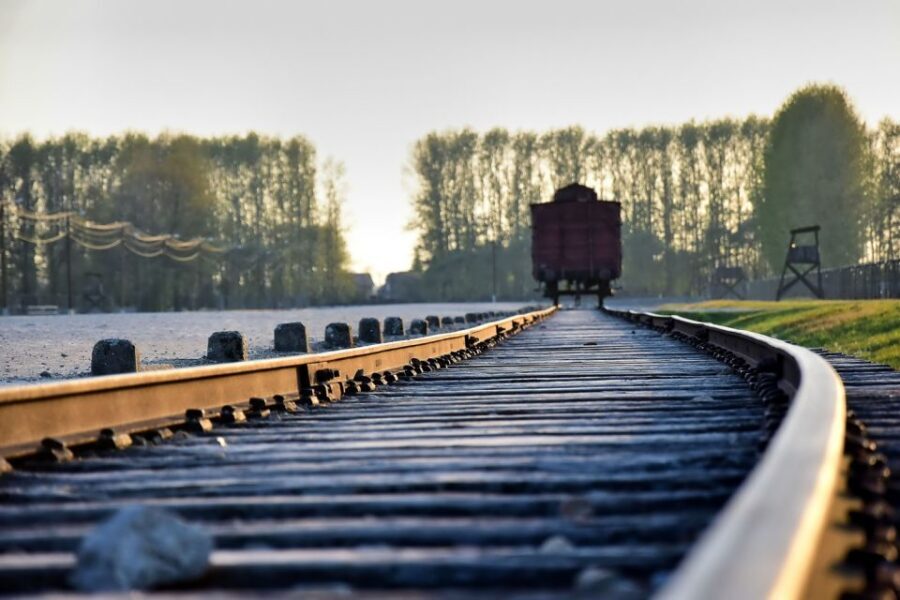
- Auschwitz II–Birkenau: seeing how the Final Solution was carried out
- The ride and lunch window: how to handle the long day reset
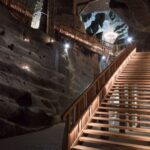
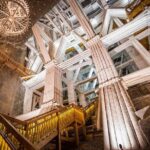
- Wieliczka Salt Mine: 800 steps down, chapels carved from salt
- How the guides and headsets shape the whole experience
- Timing, comfort, and who this tour fits best
- Price and value: is $27 a good deal?
- The right mindset for Auschwitz and the right expectations for Wieliczka
- Should you book this Kraków tour?
Key things you’ll notice right away
- Two expert guides, two very different settings: a museum-led Auschwitz visit and a Salt Mine guide for the underground route.
- Headsets included so you can actually hear the explanations while walking.
- A long walk-with-a-purpose schedule: Auschwitz I plus Birkenau, then Wieliczka with about 2 km of walking underground.
- Real depth and real steps at Wieliczka: around 800 steps down to a depth of 135 meters.
- Practical transportation: hotel pickup/drop-off and an air-conditioned minibus for the ride between Kraków and the sites.
- UNESCO-level craft underground at Wieliczka: chapels miners carved into rock salt and sculptures you can see up close.
Why Kraków’s Auschwitz and Wieliczka day combo works
In Kraków, you often face a choice: do Auschwitz on its own, or stack it with something else to make the day worth the long bus time. This pairing works because it gives you two completely different kinds of “impact” without wasting your limited vacation hours.
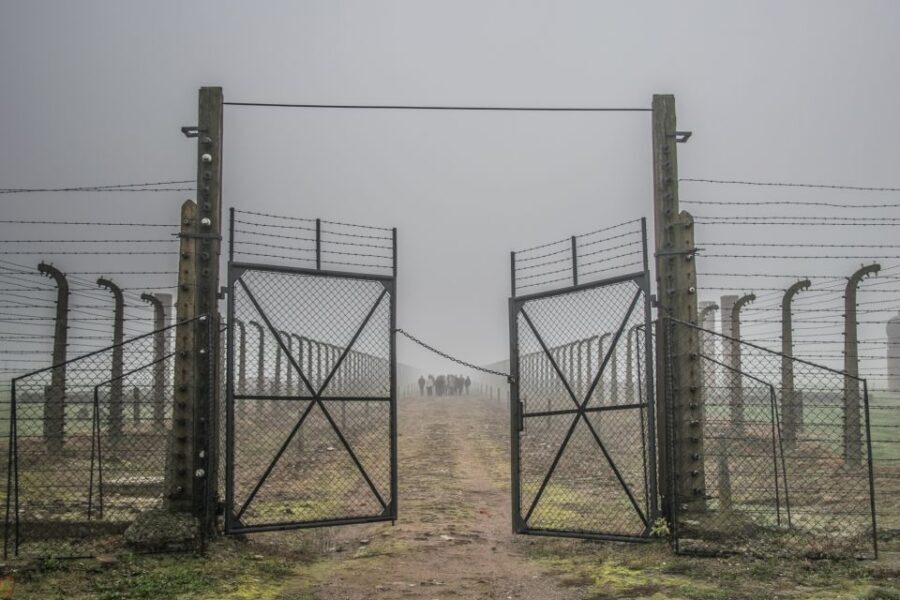
At Auschwitz-Birkenau, you’re walking through preserved areas where context matters. You don’t just see locations; you get guided explanations that help you understand what you’re looking at and why it was used. Then Wieliczka flips the mood in a very different way: salt-carved chapels, statues, and underground chambers that were created over generations. It’s not a “fun” activity in the shallow sense. It’s a striking contrast that helps the day feel structured rather than one long, unbroken emotional stretch.
For value, this is also a smart setup. You’re paying for transport, pickup, two sets of live guidance, and even headsets. If you’re already going to spend a full day out of the city, stacking Wieliczka often makes the overall trip feel more complete.
Other Auschwitz-Birkenau combo tours from Krakow
Morning logistics: pickup times, minibus comfort, and what to pack
Plan for an early departure. The usual start is sometime between 5:00 AM and 10:00 AM, and the exact pickup time is communicated by email the day before your tour. You can also choose pickup from your accommodation, which is one of the easiest ways to remove stress from a day like this.
You’ll ride in an air-conditioned minibus. That’s a relief in warmer months, and in winter it helps you avoid arriving at the first stop totally chilled and miserable. One practical caution: bus seating can feel snug for a long day, so wear comfortable clothes and consider shoes you can stand in for a while.
Packing essentials based on what’s explicitly required or restricted:
- Bring passport or ID card for entry.
- Don’t bring large bags or backpacks. The maximum size permitted is 20 x 30 cm.
- Skip items that are not allowed: pets, weapons or sharp objects, oversize luggage, and alcohol and drugs.
- Dress in a way that fits the restrictions: no short skirts and no sleeveless shirts. Also, smoking is not allowed in the vehicle.
If you want to avoid last-minute anxiety, keep your bag small and your layers simple. You may be outside at Auschwitz-Birkenau, and later you’ll be underground at Wieliczka, where the temperature feels cooler.
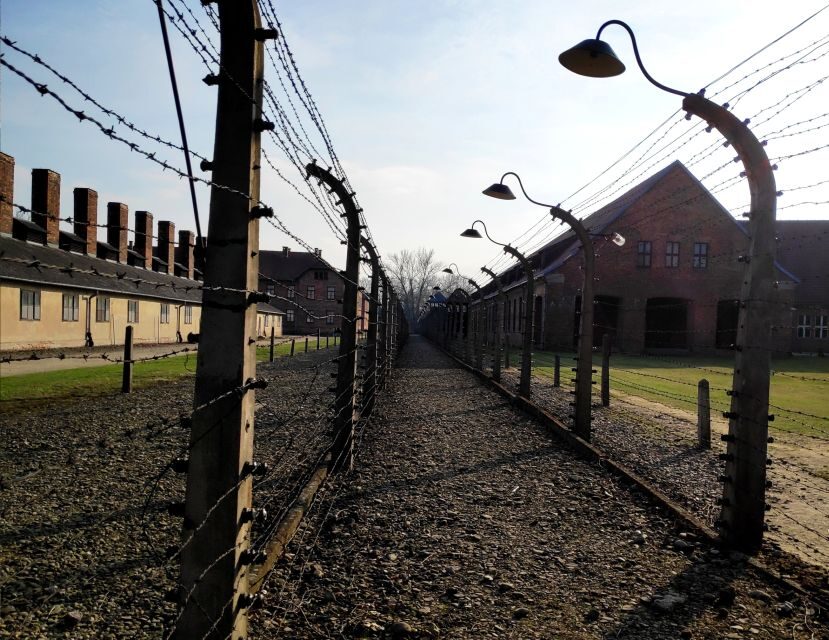
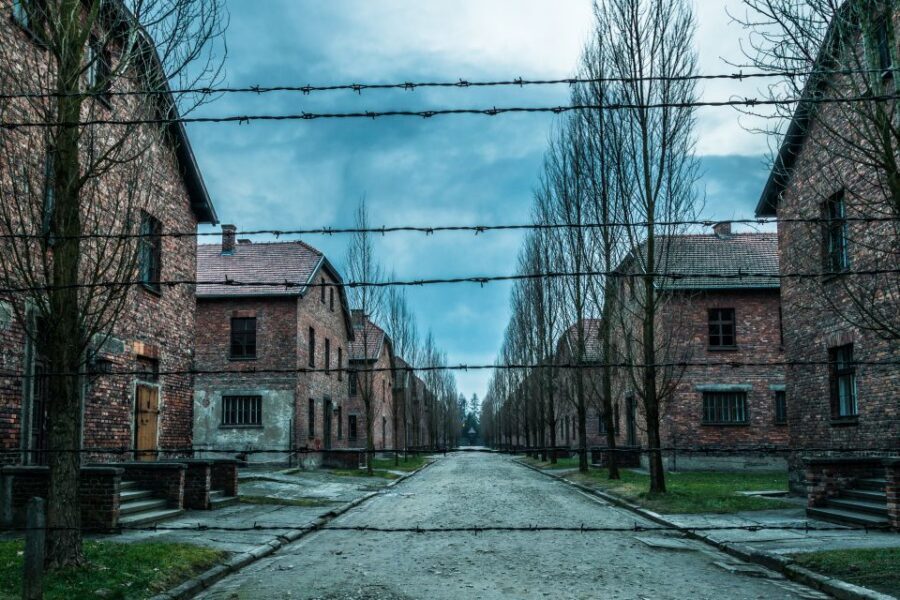
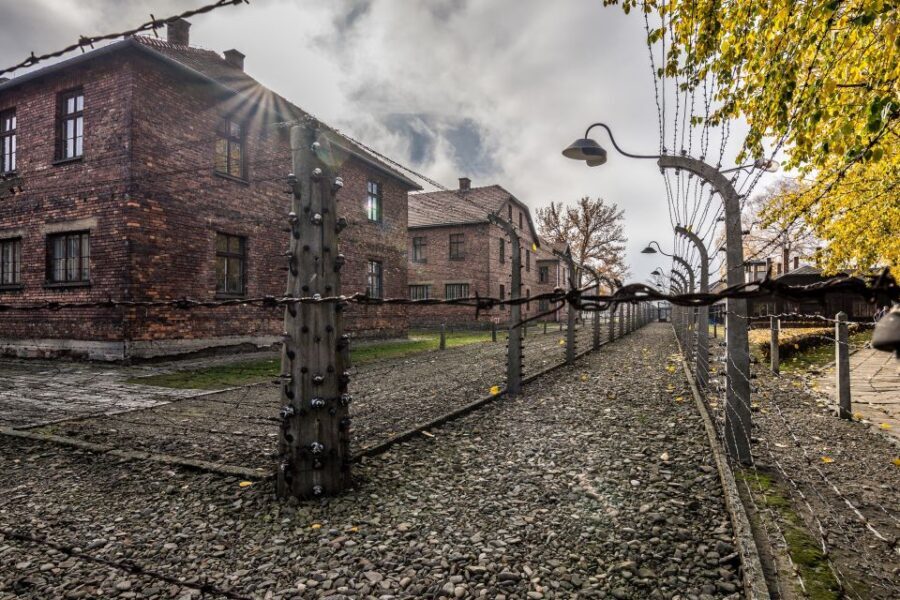
Auschwitz I: walking the preserved site with museum-led context
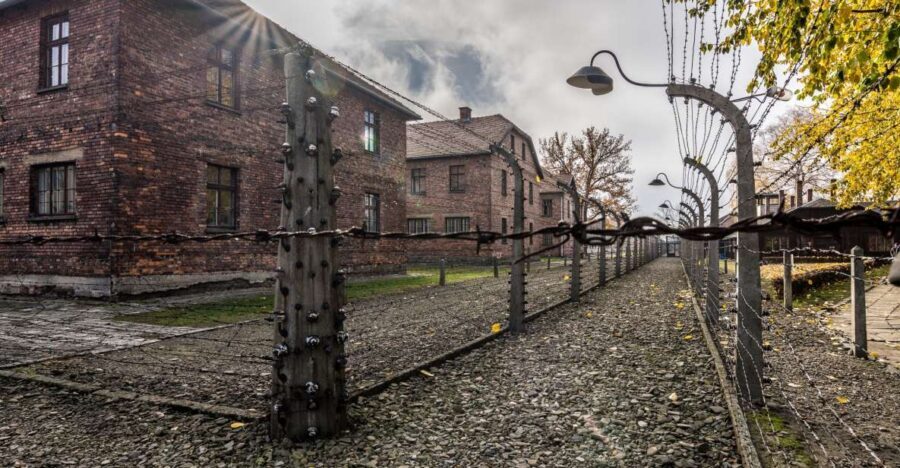
The day begins at the Auschwitz-Birkenau Museum. Your guide is an English-speaking live guide provided by the museum, and the visit includes explanations from a certified historian/guide type of team (the point is that you’re not relying on guesswork).
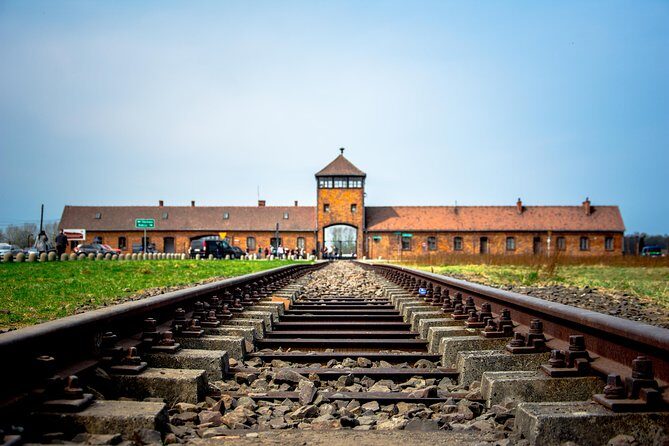
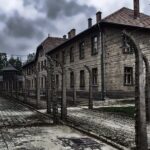
You’ll tour Auschwitz I for about 2 hours, including entry through the gate marked Arbeit macht frei. That moment is powerful on its own, but what makes it meaningful on a guided route is the sequencing: you understand the purpose of the area you’re seeing, how the camp functioned, and what happened there.
A useful way to think about Auschwitz I in this tour format: it’s the “foundation.” You’re learning the overall structure and the historical role of the site before you go to the second area where the scale of mass killings is discussed more directly.
There’s also a short break built in after Auschwitz I (around 10 minutes). It’s not long, but it helps if you’re managing a day that asks a lot emotionally and physically.
One more practical note: headsets are included. That means you can listen clearly even when the group is moving through open areas and the sound changes.
Auschwitz II–Birkenau: seeing how the Final Solution was carried out
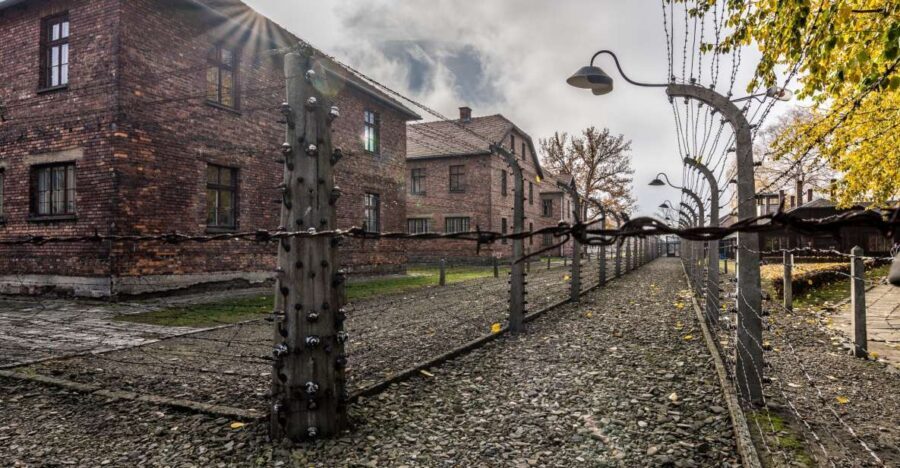
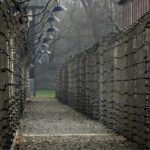
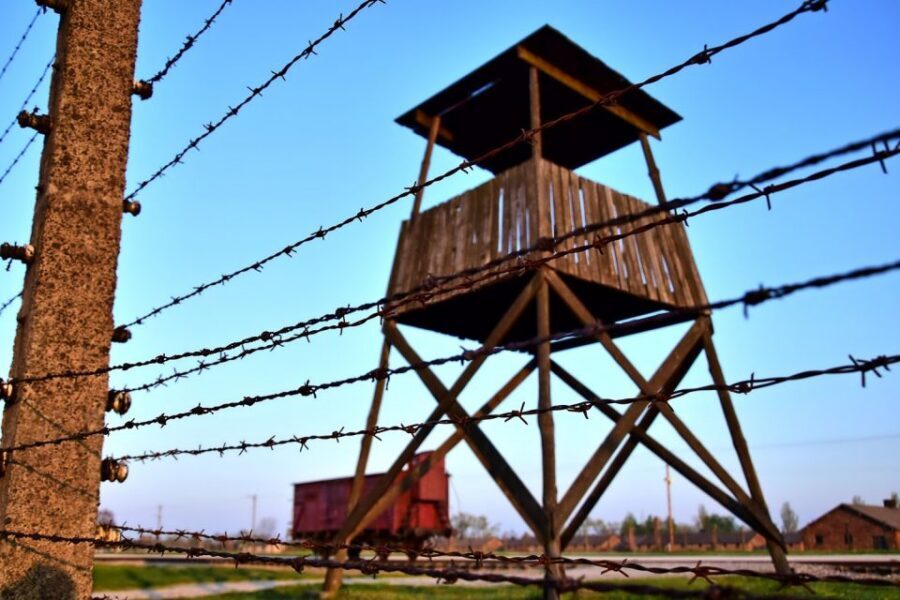
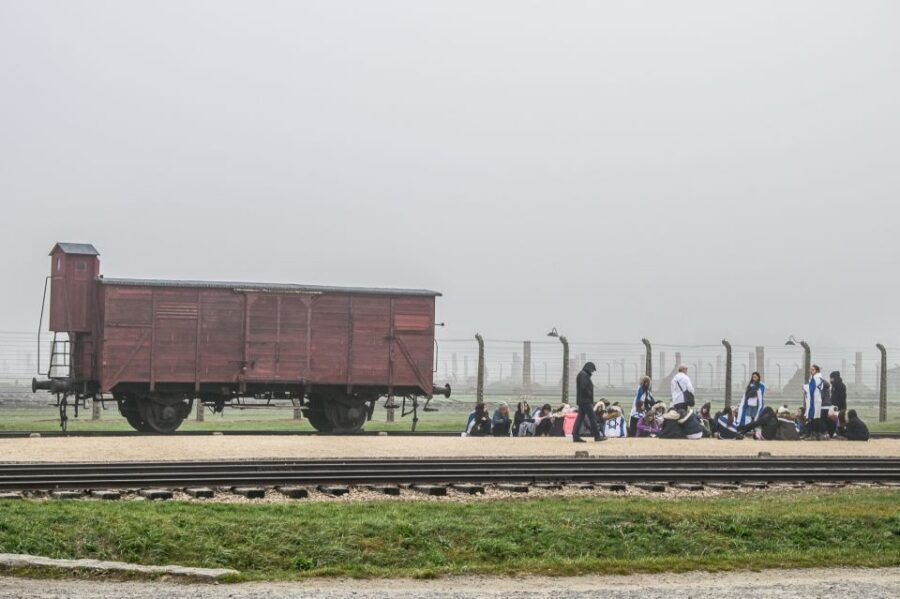
After Auschwitz I, you move on to Auschwitz II–Birkenau for about 1 hour of guided time. This is where the tour addresses the camp used for mass killings as part of the Nazi Final Solution to the Jewish Question.
Birkenau can feel enormous and hard to process because the scale is part of the story. That’s exactly why the guided portion matters. With an educator leading you, you’re not left trying to interpret everything on your own while staring at ruins and trying to fill in the missing pieces.
This stop is also the most emotionally intense part of the day. Even if you’re prepared, your body may react: tight breathing, pauses, and the need to step back for a minute. The tour’s structure keeps you moving through the essentials without turning the visit into a free-for-all.
If you know you’ll struggle with strong emotions, bring a strategy: plan to take quick breath breaks rather than trying to force yourself through. And remember, the point is not “checking off” a site. It’s understanding what you’re witnessing and leaving with clearer context.
The ride and lunch window: how to handle the long day reset
Between stops, you’re back on the bus/coach. There’s an about 1.5-hour drive at points during the day, and you’ll feel that time in your legs and back—especially if you’re seated for long stretches.
Then there’s a lunch window before you go down into Wieliczka: you get about 1 hour. Food and drinks are not included, so you’ll need to plan to buy food or bring something you can eat quickly.
Here’s my practical advice: treat lunch as fuel, not an experience. Keep it simple. In a day this long, the best meal is the one that doesn’t slow you down. If the weather is cold, warm up when you can—your body will thank you before the underground portion.
Also, note that the tour schedule can sometimes adjust the order. The overall idea is the same—Auschwitz plus Wieliczka—but doing the mine first or second can affect your mood later in the day. Either way, you’ll be back on track with guided time at both locations.
Other full-day and day trips in Krakow


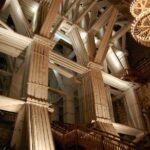
Wieliczka Salt Mine: 800 steps down, chapels carved from salt
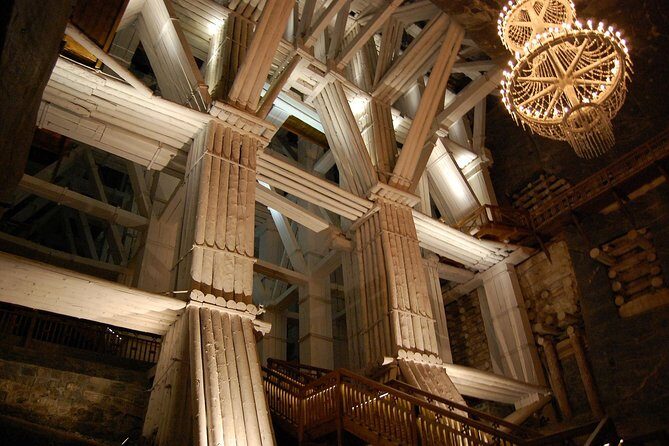
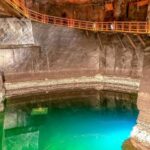
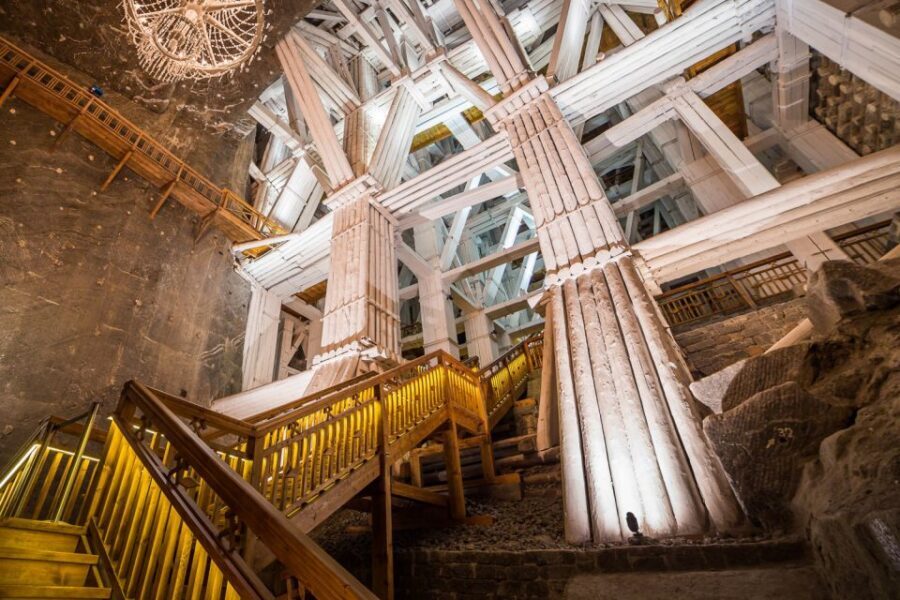
Wieliczka Salt Mine is where the day gets physically different in a good way. You’ll have free time for about 1 hour, then a guided tour for about 2.5 hours underground.
The big numbers to keep in mind:
- You’ll descend about 800 steps to a depth of 135 meters.
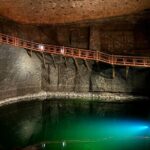
- You’ll walk a route of about 2 km through chambers underground.
- You’ll experience cooler temperatures as you go deeper.
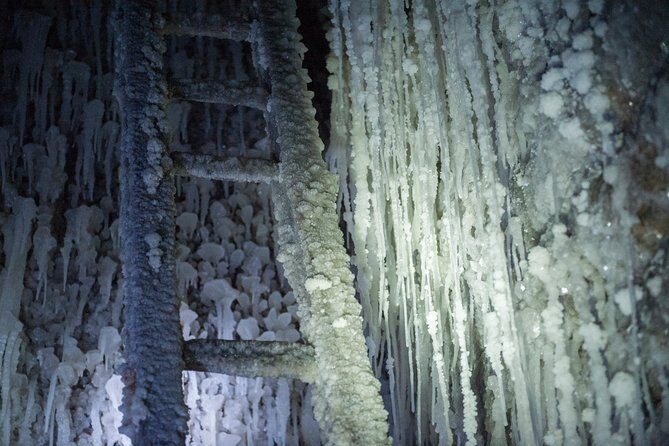
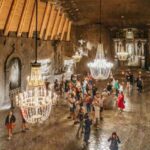
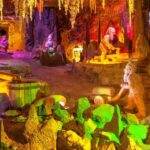
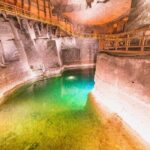
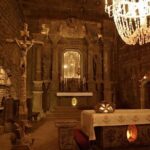
This part feels like an underground museum built out of rock salt. The miners carved four chapels directly into the salt, and there are dozens of statues as well. The mine is also tied to UNESCO World Heritage status, which helps explain why the craftsmanship and preservation are taken seriously.
What I like about Wieliczka in this tour format is the pacing. Instead of turning it into a random wandering adventure, you get a guided route that connects the art and chapels to the mine’s longer human story. That means the salt sculptures don’t feel like isolated photo ops. They make more sense because you’re given context for what you’re looking at.
Your photo strategy matters here, too. Underground lighting can be flattering, but the air can feel cooler. Keep your hands warm enough to hold your phone comfortably, and expect that you’ll want more pictures than you planned.
How the guides and headsets shape the whole experience
Two things really help this kind of full-day tour work: clear leadership and sound you can actually hear. You get headsets included, plus English-speaking live guides at both Auschwitz-Birkenau and the Salt Mine.
Headsets sound like a small detail until you’re in a museum setting with groups moving in different directions and an educator explaining specifics you can’t afford to miss. With clear audio, you’ll better follow the story—especially at Auschwitz, where details matter and the tone needs to stay respectful.
You’ll also feel the difference between the two guide styles. At Auschwitz-Birkenau, the explanations are solemn and structured around what the site represents. At Wieliczka, the guide has room to be practical and story-driven about the underground chambers, carvings, and chapels.
I also appreciate the professionalism implied by museum-provided guidance. It means the visit isn’t just about access; it’s about instruction.
Timing, comfort, and who this tour fits best
This is a long day—about 11 hours. The early morning start can be brutal, especially if you like sleeping in. But the payoff is that you see both sites in one go without needing to manage separate day trips.
It’s also not built for everyone. This tour is not suitable for people with mobility impairments and wheelchair users. That’s important because Wieliczka includes significant stairs (around 800 steps), and both locations involve walking.
So who should book?
- You want a guided day with English explanations at both major sites.
- You’re okay with early wake-ups and standing/walking.
- You want the Auschwitz experience framed with context rather than self-guided guessing.
- You like the idea of a dramatic contrast day: Auschwitz-Birkenau and then Wieliczka’s underground art.
Who might skip it?
- Anyone who needs wheelchair access.
- Anyone who gets worn out by very early mornings plus hours of walking.
- Anyone who cannot handle emotionally heavy sites even with a guide.
Price and value: is $27 a good deal?
At about $27 per person, this is priced low for a full-day, cross-site guided program. The big reason it feels like good value is what’s included:
- hotel pickup and drop-off
- live English guides at both locations
- insurance
- headsets
- transport in an air-conditioned vehicle
- guided time in both Auschwitz I and Birkenau plus the Salt Mine
The one big thing not included is simple: food and drinks. So the “real” cost depends on what you eat during the lunch break, and how you handle snacks for a long day.
Here’s the balancing thought: with this structure, you’re paying for access plus interpretation. If you tried to do Auschwitz and Wieliczka separately on your own, you’d likely spend extra time coordinating transport and tickets, and you might still end up feeling under-informed at the most important stop.
For most people, the math works out because your time is bought back. And on a day as intense as Auschwitz-Birkenau, time planning can reduce stress—which matters.
The right mindset for Auschwitz and the right expectations for Wieliczka
A word about expectation setting. Auschwitz-Birkenau is not a casual visit. Even with a guide and headsets, it’s the kind of place that changes how you think and feel. If you go, go with respect and with patience for your own reactions.
Then at Wieliczka, expect something different: cooler air, stone walls, salt-carved art, and chapels built by human hands into the rock. It can feel almost unreal after the emotional weight of Auschwitz. That contrast isn’t accidental—it’s what makes the full-day combo work so well for many people.
If you’re planning your schedule carefully, keep this in mind: the emotional intensity peaks at Auschwitz II–Birkenau, and the physical activity peaks at Wieliczka with the stairs and walking underground.
Should you book this Kraków tour?
Book this tour if you want one tightly organized, English-guided day that covers both Auschwitz-Birkenau and Wieliczka Salt Mine with pickup, transportation, and headsets included. The value is strong, especially at the price point, and the two-guide format helps you understand what you’re seeing instead of wandering through major historical sites with only partial context.
Skip it if you need wheelchair access or you know you struggle with very early departures plus long walking. Also think twice if you’re worried you won’t cope emotionally with Auschwitz-Birkenau, even with a museum guide leading the route.
If you can handle a long, early, meaningful day, this is a practical way to make Kraków feel like more than just a city break.