REVIEW · KRAKOW
From Krakow: Half-Day Salt Mine and Schindler’s Factory Tour
Book on GetYourGuide →Operated by Krakow Tours by Krakowdirect · Bookable on GetYourGuide
I start this day in white-gold wonder and end it in stark memory. The Wieliczka Salt Mine feels like a medieval underground world, and I love that you get skip-the-line tickets plus headsets so you can actually hear the guide in the tunnels.
You’ll also get a guided walkthrough at Oskar Schindler’s Factory, tied to the man who saved more than 1,000 people during the Holocaust, and made famous to many by Schindler’s List. One caution: this is a walking-heavy day, and it is not a good fit if you have claustrophobia.
In This Review
- Key points before you go
- Krakow’s Salt Mine meets Schindler’s Factory: the best kind of pairing
- Getting to Wieliczka without the headache
- Wieliczka Salt Mine: medieval roots you can walk through
- Underground lakes, caves, and the reality of salt work
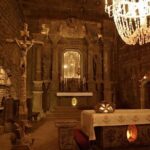
- St. Kinga’s Chapel: the salt cathedral you’ll remember
- What the mine tour feels like in practice
- Podgórze break time: a little breathing room in Krakow
- Schindler’s Factory: WWII history in an industrial setting
- How long you’ll have to read and absorb
- Transportation and timing: where the day is won or lost
- Group size, sound, and the “corridor problem”
- Shoes, comfort, and what to bring for both halves
- Price and value: is $89 worth it?
- Who should book this tour
- Should you book this Salt Mine and Schindler’s Factory combo?
- FAQ
- How long is the Krakow half-day Salt Mine and Schindler’s Factory tour?
- Where do I meet for pickup in Krakow?
- What does the tour include?
- Do I need tickets in advance?
- Is food included?
- What time do I need to be at the meeting point?
- Is this tour suitable for claustrophobia?
- Can I bring luggage or large bags?
- Is this tour wheelchair accessible?
Key points before you go

- Skip-the-line access helps you avoid the worst waiting.
- Headsets in the mine mean clearer commentary underground.
- Wieliczka’s depth and scale (9 levels, 327 m down) make the tour feel substantial.
- St. Kinga’s Chapel is the major photo magnet, carved entirely from salt.
- Schindler’s Factory connects Krakow’s WWII story to a specific, human account.
- Tours can be tiring, and group size/corridor flow can affect how much you catch.
Krakow’s Salt Mine meets Schindler’s Factory: the best kind of pairing
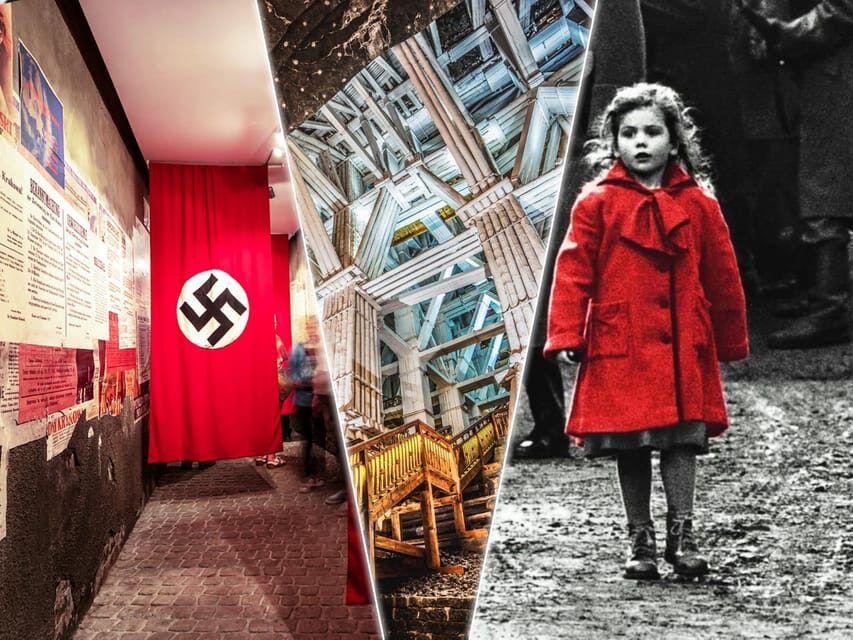
This half-day combo works because it gives you two very different Krakow atmospheres in one organized loop. The salt mine is all wonder and craft, while Schindler’s Factory is about fear, survival, and how normal industrial spaces became part of a horror system. Put together, they make your day feel both memorable and meaningful.
The value is in the structure. You don’t have to map transfers, you get professional guiding for both main sites, and the company handles the timed movement between them. At $89 per person for a 7-hour day, it’s not a bargain-price outing, but it is a fair price for guided time, transportation, and priority entry.
Other tours from Krakow we've reviewed
Getting to Wieliczka without the headache
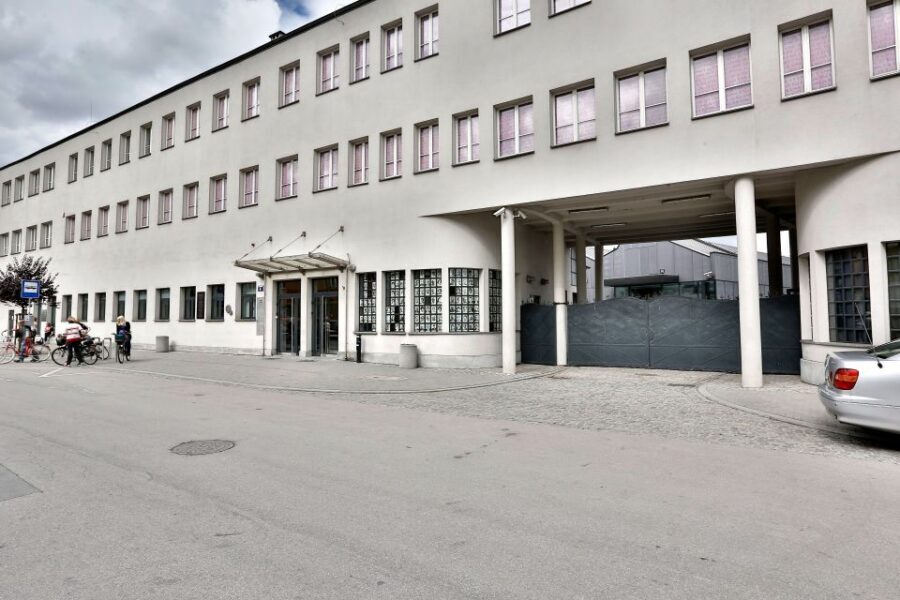
Your day begins with pickup in Krakow. You’ll meet at the entrance of the Radisson Blu Hotel Krakow (Tourist Bus Stop), and your exact pickup time can shift by about an hour depending on where you’re located. Plan to arrive about 15 minutes early. Then you ride in a modern vehicle for roughly 40 minutes toward Wieliczka.
This matters because Wieliczka is popular. If you’re doing it solo, you spend extra time coordinating entry and transportation. Here, you’re sorted from the start, and you can focus on what you actually came for: going underground.
Wieliczka Salt Mine: medieval roots you can walk through
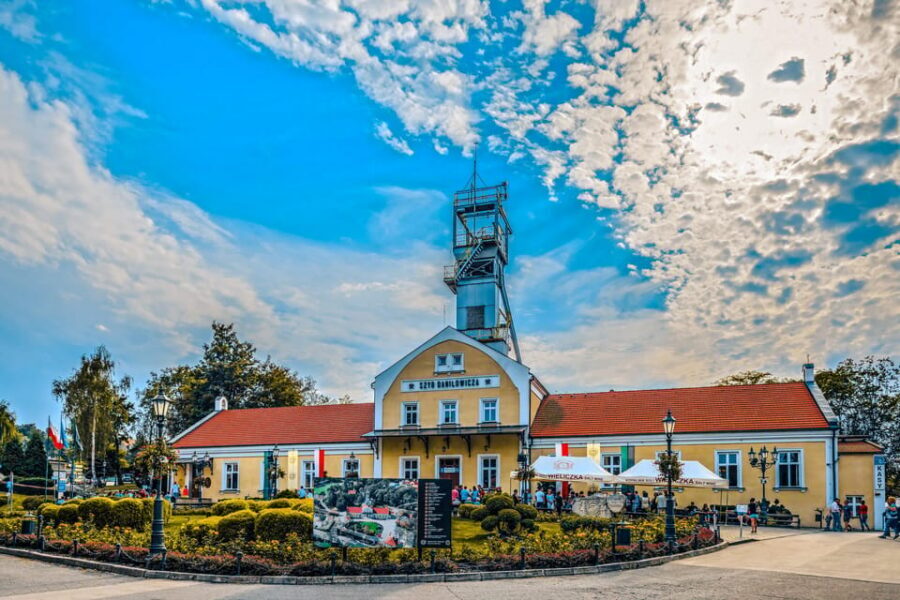
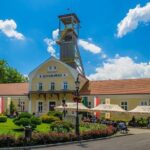
Once you’re inside, the Wieliczka Salt Mine delivers big-time. The mine traces back to the year 1044 and has been operating continuously since it opened in the 11th century. That long timeline is part of the magic: you’re not just looking at a tourist site, you’re tracing how mining evolved across generations.
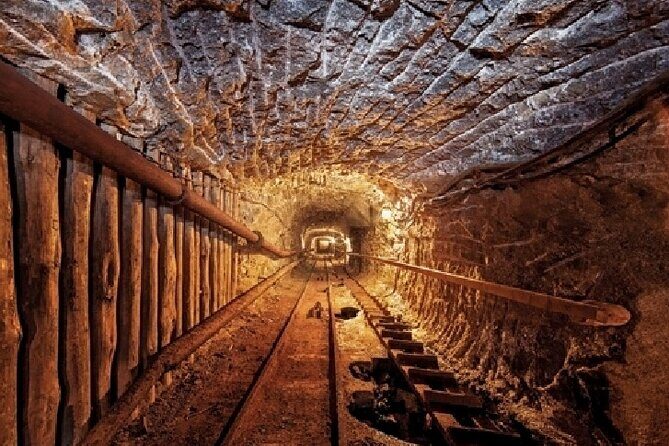
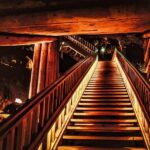
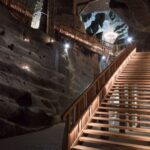
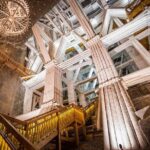
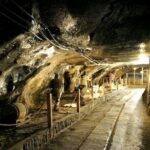
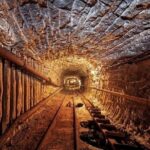
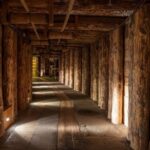
What I love most is the sense of scale. You’re led through an underground network that stretches about 300 kilometers across 9 levels, reaching a depth of 327 meters. Even if you’re not a history nut, your brain gets it fast. These tunnels aren’t a set build—they’re an industrial world that grew over time, shaped by people’s needs and technology.
Underground lakes, caves, and the reality of salt work
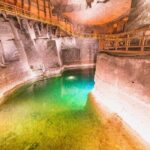
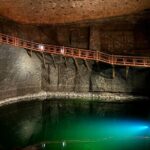
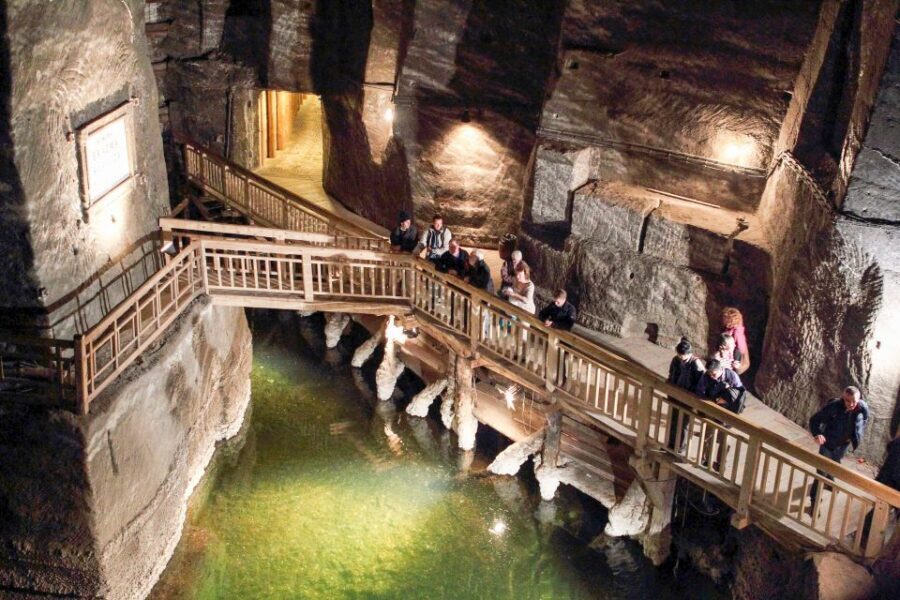
The standout moments aren’t only “big rooms.” They’re the small visual cues of salt mining—carved passages, underground architecture, and the way light and space behave underground. You’ll see salt lakes and caves as part of your route, and those visuals give you a break from the constant feeling of corridor-walking.
You should also know: the guided pace is set by visitor rules. That means you get a planned path and timing, not a slow wander. This is usually a good thing—otherwise you’d lose time in a place where it’s easy to get turned around.
St. Kinga’s Chapel: the salt cathedral you’ll remember
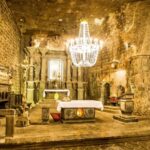
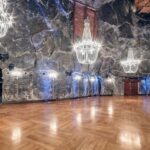
Eventually, your route will bring you to the chapel that draws most first-time visitors: St. Kinga’s Chapel. It’s one of the most famous underground chambers in the mine and is visited by over a million people each year from around the world.
Think of it as the mine’s “wow climax.” You’re underground in a working environment turned monument, and then you hit a space that feels like sacred theater—built from salt, shaped with intention, and designed for awe. Whether you’re religious or not, it lands because it’s so improbable. You’ll see why people pause to take photos there.
Other half-day tours in Krakow
What the mine tour feels like in practice
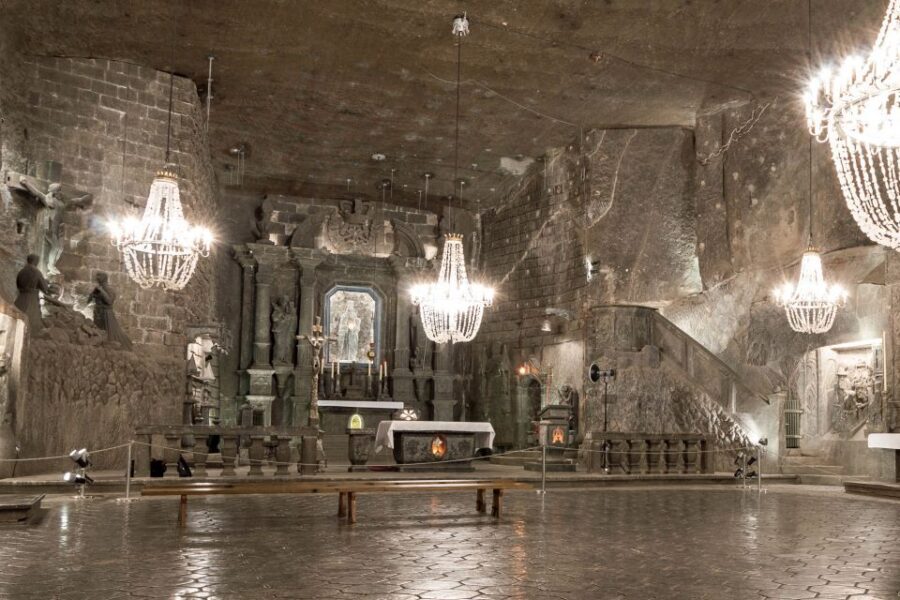
This is where the headsets make a real difference. You’re provided headsets in the mine so you can hear your guide clearly, which matters because the environment is noisy and the corridors can make sound awkward.
I also suggest staying attentive to your guide’s positioning. If you drift too far back, you may miss key explanations, and you’ll feel it even more because the spaces can be tight. From the experiences I’ve had on similar underground tours, the “back of the group” problem is real even when sound equipment exists. Here, the mine headsets help, but they don’t replace being close enough to watch.
Podgórze break time: a little breathing room in Krakow
After the mine, you’ll transfer and arrive in Podgórze for your break. You get about an hour for coffee, lunch, and free time. This is genuinely useful because the salt mine adds fatigue fast: cool air, lots of stairs, and walking on uneven underground surfaces adds up.
Podgórze also helps you mentally shift gears. You’re coming out of a salt cathedral into city streets, and you want that transition. Even if you only grab something simple and regroup, that buffer makes the second half of the day work better.
Schindler’s Factory: WWII history in an industrial setting
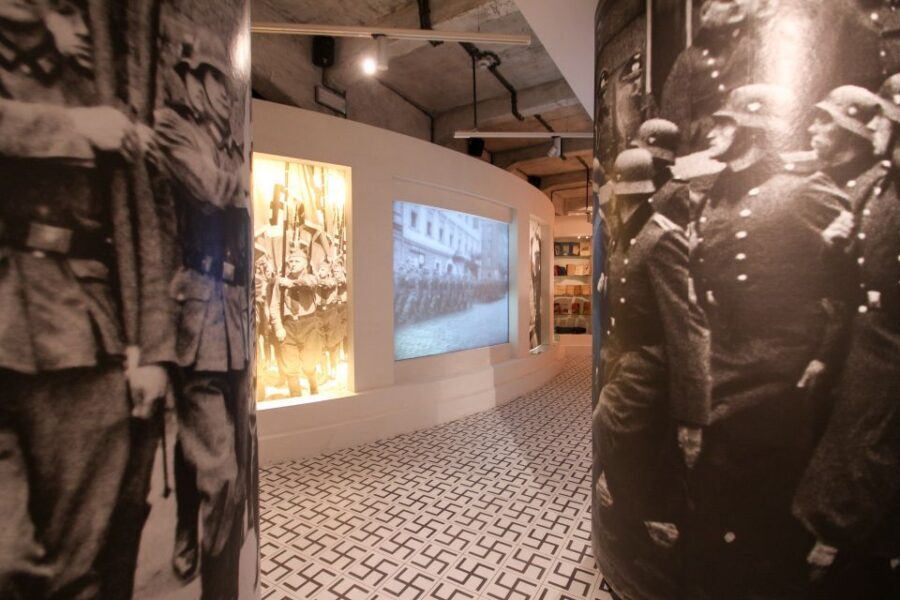
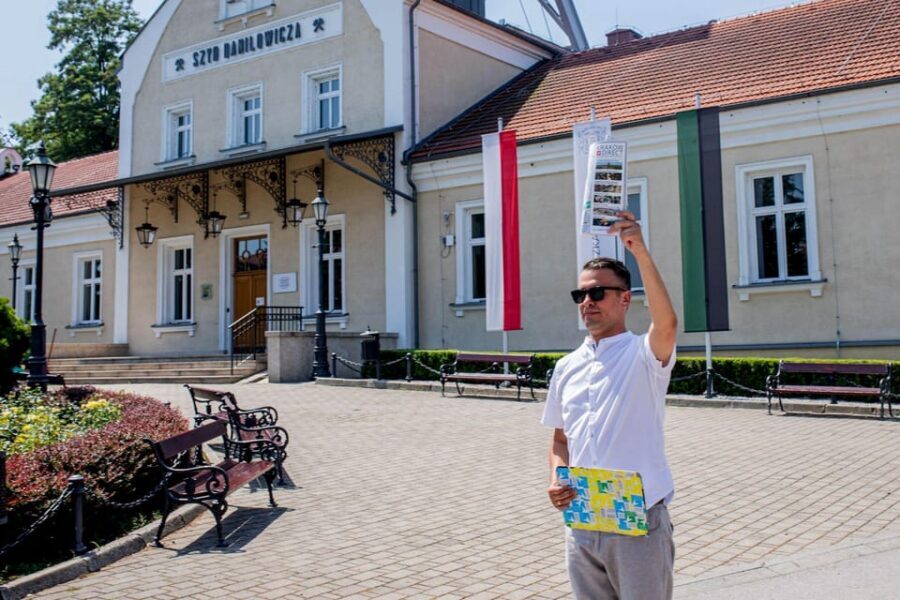
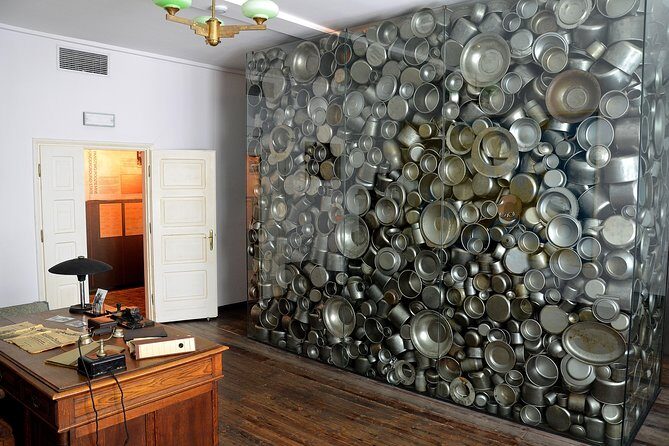
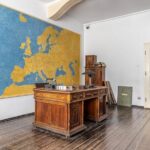
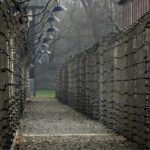
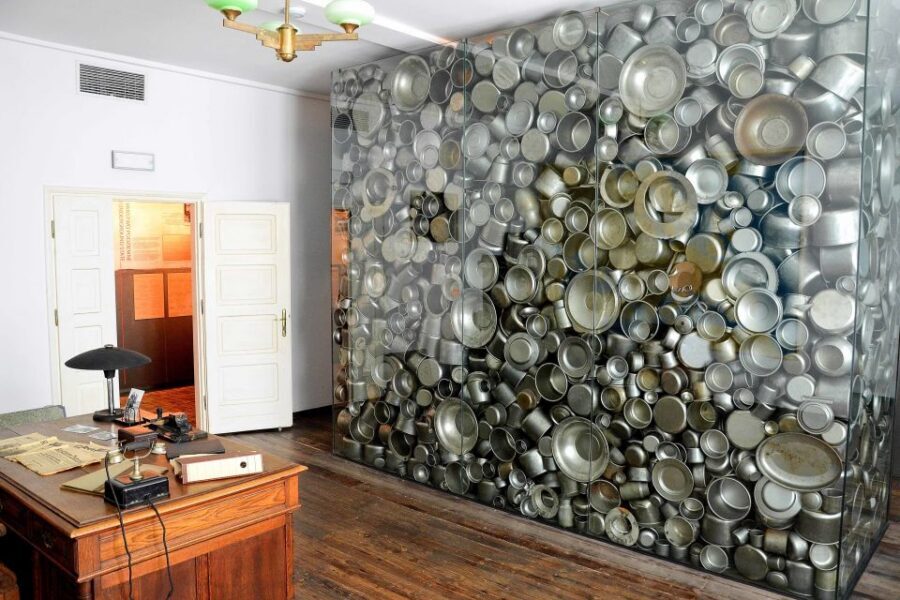
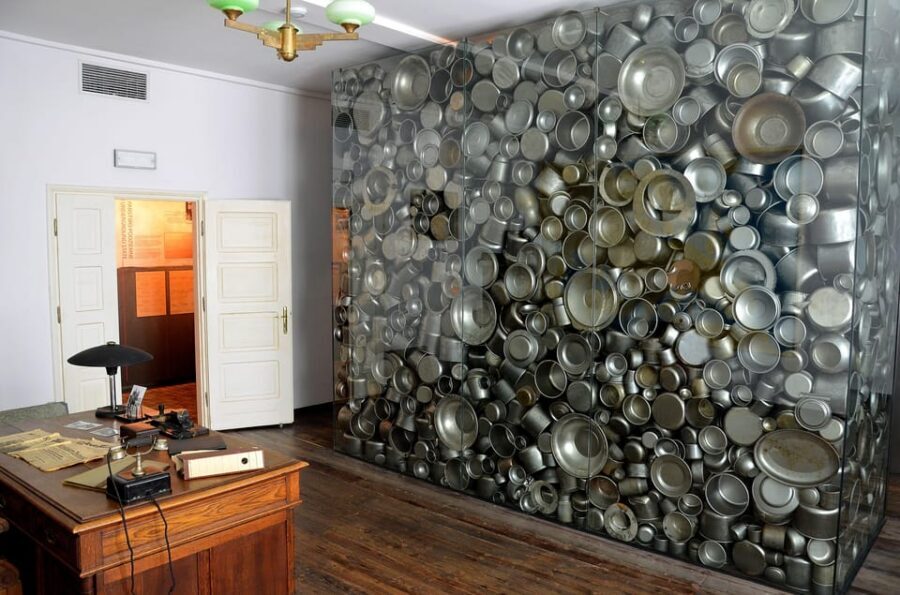
The next stop is Oskar Schindler’s Factory, in the former factory space of the industrialist who saved more than 1,000 people during the Holocaust. The site is closely associated with the film Schindler’s List, but the museum experience isn’t about movie scenes. It’s about the real Krakow context—how occupation and persecution reshaped everyday life.
Your guided time here is about 1.5 hours. That’s enough to understand the big story beats and see key exhibits without turning it into a “rushing through everything” marathon. The museum also includes an interactive exhibition element, so you can spend a little time pressing buttons, reading details, and building your own understanding rather than only listening.
How long you’ll have to read and absorb
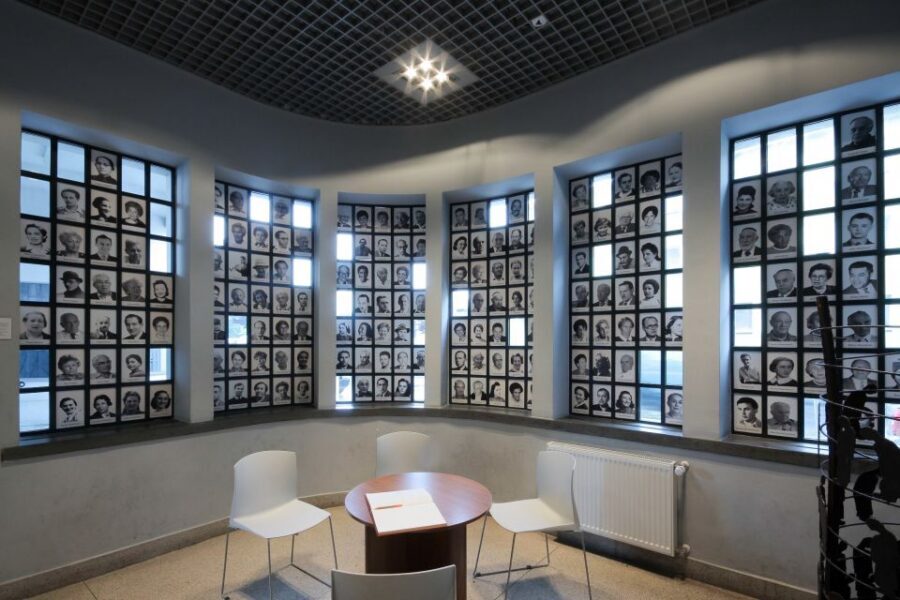
Here’s the balance you should expect. A guided tour gives you the “what matters” filter. The museum rooms and displays then ask you to slow down just a bit to process what you’re seeing. On a busy day, that can get squeezed—especially in narrower spaces where it’s harder to both see objects and hear the guide.
I’d treat Schindler’s Factory as a place to be present, not a place to speedrun with your camera. If you’re sensitive to how information overload works, you’ll get more from it by reading fewer signs carefully rather than trying to capture everything in one pass.
Transportation and timing: where the day is won or lost
The whole outing runs about 7 hours, with transfers between sites. That’s long enough to feel like a full day, even if it’s labeled as half-day in the mine segment. If you’re the type who gets cranky without a solid meal, budget time for lunch during the Podgórze break.
One practical note: the day’s pace depends on road conditions and on how long groups take at the first site. Your guided tour times are approximate, and the company builds in buffers for movement and visitor flow.
Group size, sound, and the “corridor problem”
Most of the reviews emphasize that the guides were strong in both places. Guides like Jacob and Andrew (mentioned in past experiences) come through as the kind who explain clearly and add useful context. That’s the best-case scenario: you get more than facts, you get the story threaded together.
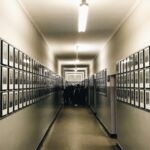
Still, group flow can affect your experience. Corridors and narrow rooms mean you sometimes can’t see what the guide is pointing at, especially if the group is large. Also, sound can drop when guides turn or move. Headsets in the mine help, but they don’t solve every sightline issue.
If you’re hoping for maximum freedom to linger in display areas, pick your expectations carefully. This tour is designed for guided understanding, not for total self-paced wandering.
Shoes, comfort, and what to bring for both halves
Do yourself a favor and wear comfortable shoes with grip. You’ll do lots of walking at both locations, and you’ll be moving through stairs and underground surfaces that aren’t designed for fashion-forward footwear.
Bring a passport or ID card and a camera. Your tour host will also recommend leaving bulky luggage behind. Large bags and luggage aren’t allowed, and the day is easier when you travel light.
Also, note the practical rules of the environment: no alcohol and no drugs. The sites are tightly regulated, so follow local guidance even if you’re tempted to break the rules because you’re “on vacation.”
Price and value: is $89 worth it?
$89 isn’t cheap, but it’s not random pricing either. You’re paying for several things that add up when you price them separately:
- Guided tours at both locations (2.5 hours at the mine and 1.5 hours at Schindler’s Factory)
- Skip-the-line entry, which matters at both busy sites
- Round-trip transportation by modern vehicle
- Headsets in the mine to improve your ability to hear the guide
- An English-speaking tour host and professional guidance on official routes
If you want to do this pairing efficiently, the guided, timed format is where the value lives. If you already plan to spend a long time inside Schindler’s Factory on your own, or you prefer total self-paced independence at the mine, then you might prefer booking separately. But for many first-timers, this combo is the “right amount of structure.”
Who should book this tour
This is a great fit if you want:
- a single organized day covering two must-sees without figuring out logistics
- a guided explanation that helps you understand what you’re looking at underground and in a museum
- a priority-entry setup that reduces waiting time
It’s less ideal if:
- you need lots of personal time to read everything without any group movement pressure
- you dislike cramped spaces or have claustrophobia
- you have limited mobility or can’t comfortably handle lots of stairs and walking
Should you book this Salt Mine and Schindler’s Factory combo?
If you’re visiting Krakow for the first time and you want two headline experiences with real context, I’d book it. The Wieliczka Salt Mine is a rare “how is this even possible” kind of place, and the guided component at Schindler’s Factory helps you connect the WWII story to Krakow in a way that’s harder to achieve with only self-guided wandering.
Just go in with the right mindset: this is a guided day with real walking. Wear good shoes, stay close enough in the mine to catch key explanations, and use the Podgórze break to reset before the heavier museum portion. If that sounds like your kind of trip, you’ll likely feel that the $89 price lands where it should—on access, guidance, and a day that’s both inspiring and sobering.
FAQ
How long is the Krakow half-day Salt Mine and Schindler’s Factory tour?
The total duration is about 7 hours, with guided time at the Wieliczka Salt Mine and Schindler’s Factory plus transfers and a break in Podgórze.
Where do I meet for pickup in Krakow?
Meet at the entrance of the Radisson Blu Hotel Krakow (Tourist Bus Stop). If you choose an optional pickup, your pickup is arranged based on your address.
What does the tour include?
You get round-trip transportation, a guided tour of Wieliczka Salt Mine and Schindler’s Factory, skip-the-line tickets, headsets in the mine, an interactive exhibition element at Schindler’s Factory, and assistance from an English-speaking tour host.
Do I need tickets in advance?
Skip-the-line tickets are included with the tour, so you don’t need to buy separate entry tickets for these sites.
Is food included?
No. Food and drinks are not included, though lunch time is part of the Podgórze break.
What time do I need to be at the meeting point?
Arrive 15 minutes before the confirmed pickup time. Pickup time can shift by up to about +/- 1 hour, and you’ll be informed if changes are necessary.
Is this tour suitable for claustrophobia?
No, the tour is not recommended for anyone with claustrophobia.
Can I bring luggage or large bags?
No. Luggage or large bags are not allowed.
Is this tour wheelchair accessible?
No. The tour is not suitable for wheelchair users.