REVIEW · KRAKOW
Kraków: Wieliczka Salt Mine & Schindler’s Factory + Lunch
Book on Viator →Operated by Thousand Miles Krakow · Bookable on Viator
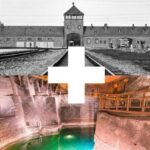
Wieliczka feels like a different planet underground. This Kraków tour strings together Wieliczka Salt Mine and Schindler’s Enamel Factory with a guided visit, included lunch, and smooth transport so you spend less time figuring things out and more time seeing the real places. The big payoff is the underground craftsmanship and the museum’s story of moral courage—plus the mine stays at a chilly 14–16°C. One consideration: the day involves lots of walking and stairs, and the mine descent is by stairs (no elevator down).
If you like history that hits in real space—salt chapels under your feet and a factory that became a lifeline—this is a strong combo. I’d file it under high-impact, “plan for a long day” tours.
In This Review
- Key things to know before you go
- A full-day Kraków route: salt wonders and Schindler’s story
- Getting to Wieliczka: easy transfer that buys you time
- Wieliczka Salt Mine: walking, stairs, and St. Kinga’s Chapel
- What you’ll actually see underground
- Dress for 14–16°C, not for Kraków weather
- The drawback: stairs and confined-space discomfort
- Transfer back to Kraków: reset before lunch
- Lunch and timing: why the 2-hour break helps
- Schindler’s Enamel Factory: a guided museum with real-world stakes
- Why the guide changes everything here
- A practical note: tight rooms and headsets
- If your day includes more ghetto-area walking, here’s why it helps
- Price and value: what you’re really paying for
- Group size, comfort, and what to pack for a 7-hour day
- What to pack
- Timing tip: arrive early
- Who should book this tour (and who should skip it)
- Should you book it?
- FAQ
- What’s the duration of the tour?
- Is the tour offered in English?
- What’s included for the Wieliczka Salt Mine visit?
- Do I ride an elevator down into the mine?
- How cold is it inside the Wieliczka Salt Mine?
- Is lunch included?
- What does the Schindler’s Factory part include?
- Where do I meet and where does the tour end?
- Is this tour okay if I have limited mobility or claustrophobia?
- What should I bring to enter?
Key things to know before you go
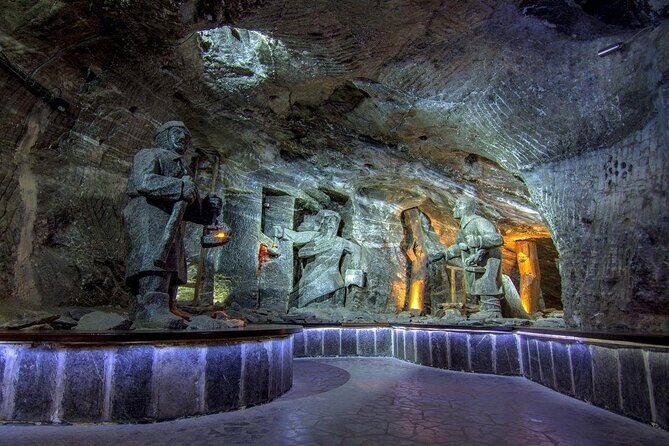
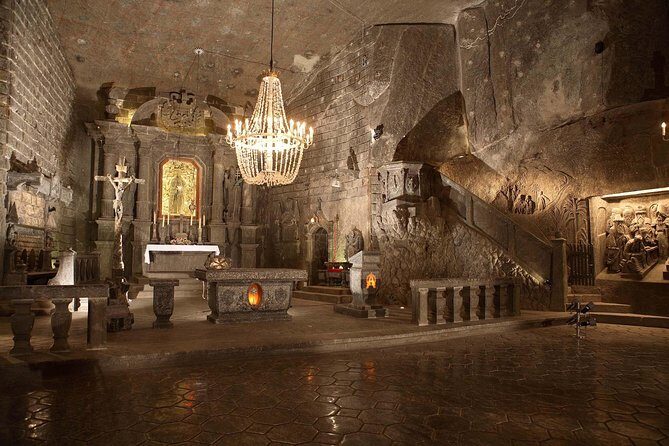
- St. Kinga’s Chapel is carved entirely from salt by generations of miners
- Constant 14–16°C underground means you’ll want a warm layer
- Fast-track entry at Schindler’s Enamel Factory helps you keep momentum
- Licensed mine guide + licensed museum guide make the experience far more readable
- Expect significant stairs and walking, including the mine descent
- Small-room reality: even when group size is limited, museum rooms can feel tight
A full-day Kraków route: salt wonders and Schindler’s story
This is a 7-hour, English-guided day that links two of Kraków’s most powerful attractions: the Wieliczka Salt Mine and Schindler’s Enamel Factory. The format is simple: transport you out to Wieliczka, guide you underground, feed you lunch, then bring you back for the museum portion with a licensed expert guide.
I like tours like this when they do two things well: they reduce decision-making (where to go, how to get there, when to arrive) and they use guides to turn a “place to see” into a “place to understand.” Here, both stops are the kind where a guide matters—salt mining artistry underground, and the layered human story tied to Oskar Schindler’s efforts during Nazi occupation.
The one tradeoff is pace. You’re moving from underground to city, and you’re doing it with plenty of walking plus stairs. If you’re sensitive to confined spaces, the mine cave sections may not feel comfortable.
Other Schindler's Factory combo tours in Krakow

Getting to Wieliczka: easy transfer that buys you time
Your day starts with a pickup near Przystanek Turystyczny Kiss&Ride, Wielopole 2 in Kraków. From there, you’ll ride in comfortable, air-conditioned transport to Wieliczka. The goal here is straightforward: arrive ready to go, not stressed about transit.
In practice, the transfer matters because your time is limited. When tours start on schedule, you get more quality time underground instead of losing the first part of the day to delays. The tour also plans the return ride to Kraków after the mine visit, so you’re not hunting for connections after you’re tired.
Wieliczka Salt Mine: walking, stairs, and St. Kinga’s Chapel
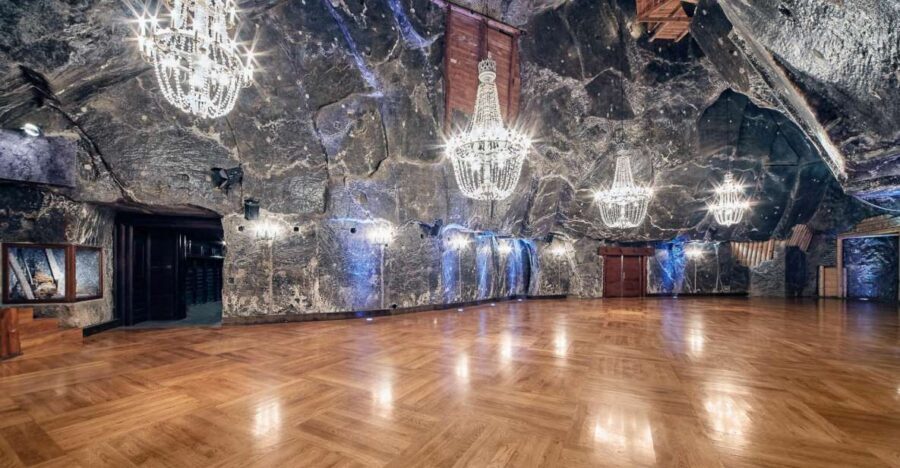
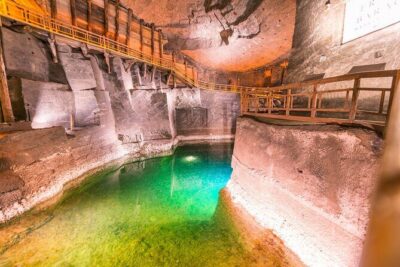
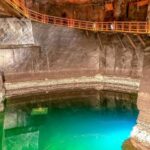
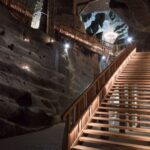
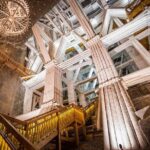
The Wieliczka portion is the centerpiece, running about 2 hours 30 minutes. You’ll descend into the mine by stairs—the tour notes that there’s no elevator ride down—so wear shoes you trust. Once you’re underground, the experience is all about scale and craft: vast chambers, underground lakes, and saltwork that looks built more like architecture than decoration.
What you’ll actually see underground
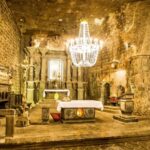
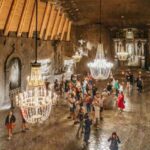
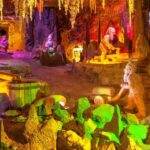
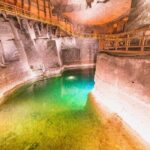
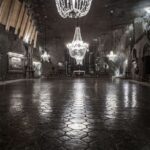
This mine is famous for salt artistry, and the highlights are sensory. You’ll walk through areas with intricately carved salt sculptures and chapels, and you’ll see underground lakes shimmering under crystal chandeliers. That mix—massive rooms plus delicate details—is part of what makes Wieliczka feel unreal.
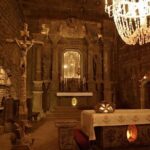
The headline is St. Kinga’s Chapel, which is entirely carved from salt by generations of miners. Even if you’re not usually into “industrial heritage,” this is the moment where the story becomes visible. It’s not just that people worked salt—it’s that they shaped it into sacred space.
Dress for 14–16°C, not for Kraków weather
The mine keeps a constant 14–16°C, so treat it like a small indoor climate—not like an optional stop. Bring a warm layer and comfortable footwear. If you tend to run cold, this is one place where you’ll want to over-pack slightly.
A few more Krakow tours and experiences worth a look

The drawback: stairs and confined-space discomfort
This tour involves significant walking and numerous stairs, and the mine includes sections that can feel tight. The tour specifically warns it may not be suitable for guests with limited mobility, heart conditions, or claustrophobia. If any of those apply, this is a good place to compare alternatives that have less stair-heavy routes.
Transfer back to Kraków: reset before lunch
After the mine, you’ll return to Kraków via air-conditioned transport. The tour also includes a lift ride to the surface when you finish the underground visit, which is a big practical win: you get the recovery benefit without spending energy on the final stretch.
Once back in the city, you’ll get a lunch break at a nearby local bistro. Lunch is included and scheduled for about 2 hours, which is plenty of time to sit, eat, and cool down after all the walking. I like the structure here—after a cold, active underground tour, a real break prevents the day from turning into a blur.
Lunch and timing: why the 2-hour break helps
A lot of “big day” tours shove lunch into 45 minutes and call it a meal. Here, lunch is given the time it needs. That matters because the afternoon museum is also guide-led and information-heavy.
If you’re the type who likes to pace yourself—walk slowly, take a few photos, then settle in—this schedule gives you room. If you’re hungry, you’ll be grateful for a full sit-down meal before the next guided segment.
Schindler’s Enamel Factory: a guided museum with real-world stakes
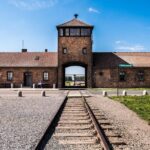
Next comes Schindler’s Enamel Factory (Fabryka Emalia Oskara Schindlera), about 1 hour 30 minutes with a licensed expert guide. The tour includes fast-track access, which helps you avoid wasted time in queues and keeps the day on tempo.
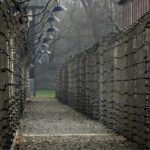
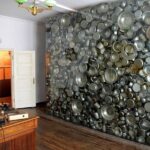
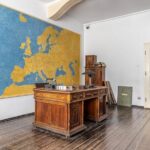
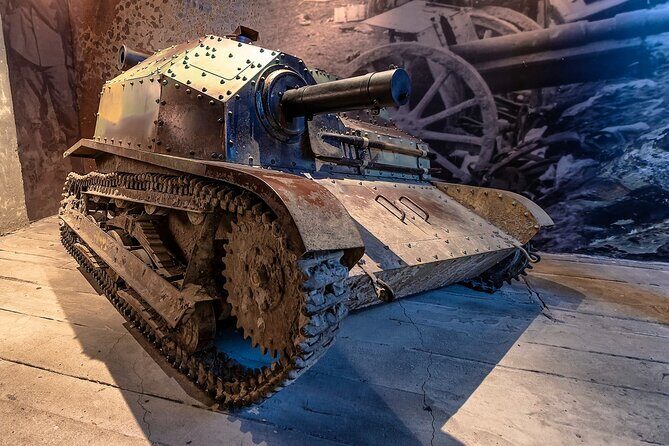
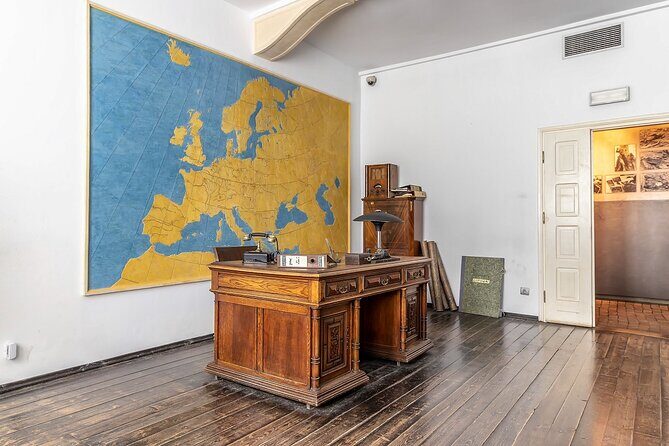
This museum is built around Kraków under Nazi Occupation 1939–1945 and centers on Oskar Schindler’s actions. The story isn’t presented as a simple hero myth. Instead, you’ll move through original photographs, personal belongings, and reconstructed city scenes that show fear, hardship, and daily life under occupation.
Why the guide changes everything here
This is one of those museums where a guide makes the difference between seeing displays and understanding the timeline and the stakes. The tour’s included guide is there to connect details—what you’re looking at, why it mattered, and how Schindler’s position and resources translated into protection for Jewish workers.
The key point is moral courage with human consequences. The museum explains how Schindler used his position to help protect Jewish workers from deportation, saving more than a thousand people. That’s heavy material, and it’s also the reason the museum hits harder when a guide is guiding rather than just pointing.
A practical note: tight rooms and headsets
One thing to plan for: the factory spaces can be small, and groups can feel crowded inside narrow rooms. Even with headsets, the physical layout can limit how clearly you’ll see your guide while they’re talking. If your priority is maximum “see the guide’s gestures” comfort, aim to stand toward the front when the group stops.
If your day includes more ghetto-area walking, here’s why it helps
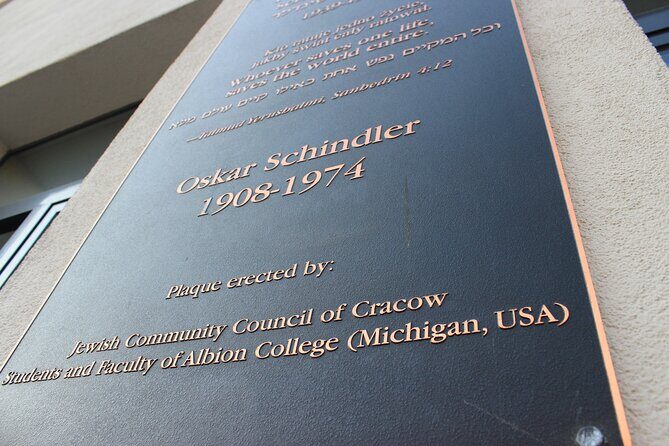
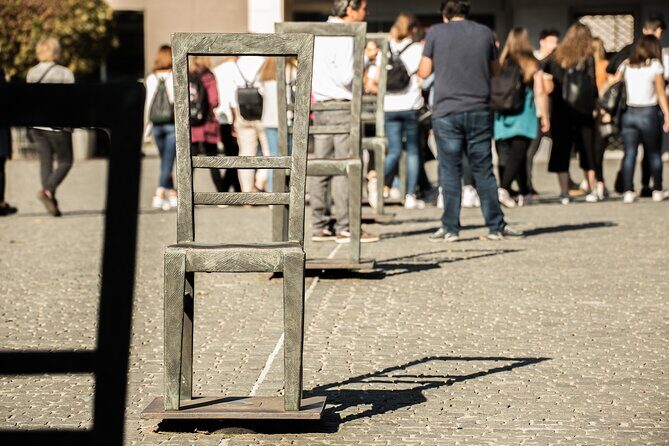
Some versions of this day’s program may add a short walking segment tied to the former Jewish ghetto area, often finishing near Heroes Square. I like when tours add this kind of street-level context because it turns the museum story into something you can orient yourself with in the city.
Even if that walk is brief, it can help you connect what you just learned about occupation and daily life to the streets you’re standing on. If your tour version includes it, wear comfortable shoes again—you’re already doing steps, and you won’t want to lose mobility right at the end.
Price and value: what you’re really paying for
At $152.50 per person, you’re paying for four main ingredients: guided entry to both sites, included transport between Kraków and Wieliczka, and lunch. It’s not only admissions. What you’re buying is time efficiency plus expert interpretation.
Here’s the value logic I’d use:
- Guided Wieliczka + licensed museum guide: these sites are best with explanation, not just audio
- Fast-track access to the factory: you lose less time to waiting
- Round-trip transport: you don’t need to plan buses or taxis while carrying your schedule in your head
- Lunch included: the day doesn’t collapse into “find food on the fly”
Your biggest risk for “value mismatch” is the day length. If you hate long schedules, the $152.50 won’t feel like a bargain. If you’re comfortable with a 7-hour outing and you want two top-tier experiences tied together, it’s a reasonable deal for Kraków.
Group size, comfort, and what to pack for a 7-hour day
The tour lists a maximum of 30 travelers, which is helpful on paper. But inside museums and underground spaces, room size dictates how “small group” feels. Even if your overall group cap is reasonable, tight rooms can still make it harder to see.
What to pack
- Warm layer for the mine (it’s 14–16°C underground)
- Comfortable, grippy shoes for stairs and uneven surfaces
- ID with your ticket name since names must match and entry may be refused
- A small bag you can manage while walking and taking stairs
Timing tip: arrive early
Plan to arrive at least 10 minutes before the start time. Once the tour begins, late arrivals won’t be admitted and tickets won’t be refunded. This matters because the start involves a pickup and then getting moving—there’s not much slack built in.
Who should book this tour (and who should skip it)
This tour is ideal if you:
- Want two big Kraków hits in one day without transit planning
- Enjoy history that’s guided, not just self-paced
- Can handle stairs and walking and don’t mind a cold underground environment
- Want both the astonishing mine craft and the human story connected to Schindler
I’d be cautious if you:
- Have claustrophobia or feel uncomfortable in enclosed spaces
- Have limited mobility or medical concerns that make stairs risky
- Want a slow, leisurely day with lots of independent wandering
Should you book it?
Yes, if you’re aiming for a “high-impact Kraków day” with real guidance and minimal logistics stress. The combination of Wieliczka’s salt cathedral feeling and the Schindler factory story of protection and survival is exactly the kind of pairing that makes a first Kraków visit feel complete.
Book it if you’re comfortable with steps, you’ll wear a warm layer for the mine, and you want lunch included so the afternoon doesn’t start to drag. Skip or choose a different format if stairs or confined spaces are a concern—those parts aren’t optional here.
FAQ
What’s the duration of the tour?
It runs about 7 hours (approx.), with time built in for transfers, the mine visit, lunch, and the Schindler’s Factory guided portion.
Is the tour offered in English?
Yes. The tour is offered in English.
What’s included for the Wieliczka Salt Mine visit?
You get entry to the Wieliczka Salt Mine with a certified mine guide, plus an included lift ride to the surface after the underground tour.
Do I ride an elevator down into the mine?
No. The descent is by stairs; the elevator/lift ride is only included for coming back up.
How cold is it inside the Wieliczka Salt Mine?
The mine maintains a constant temperature of 14–16°C, so bring a warm layer.
Is lunch included?
Yes. Lunch is provided as part of the day program.
What does the Schindler’s Factory part include?
You get fast-track access and a guided visit led by a licensed expert guide, focusing on Kraków under Nazi Occupation 1939–1945 and the story of Oskar Schindler.
Where do I meet and where does the tour end?
You start at Przystanek Turystyczny Kiss&RideWielopole 2, and the tour ends at Lipowa 4 in Kraków.
Is this tour okay if I have limited mobility or claustrophobia?
The tour involves significant walking and numerous stairs and may not be suitable for guests with limited mobility, heart conditions, or claustrophobia.
What should I bring to enter?
You’ll need full names matching your ticket details, and you should bring valid identification matching those details since entry may be refused otherwise.