REVIEW · KRAKOW
Full day tour to Auschwitz-Birkenau and Salt Mine with a local guide from Krakow
Book on Viator →Operated by Auschwitz Tour · Bookable on Viator
One day, two unforgettable sites. This long but tightly planned trip pairs Auschwitz-Birkenau with Wieliczka Salt Mine, so you see two very different sides of Poland in one go. I like that the visit is guided by English museum tours with audio support, not a rushed pass-through.
What I also like: door-to-door pickup and drop-off from Krakow plus an air-conditioned minivan means you spend less time figuring out transport and more time listening and looking closely. One real consideration is the timing and stamina—this is an early start and it runs about 11 hours, and food isn’t included, so plan for a long day.
In This Review
- Key points to know before you go
- Why This Auschwitz and Salt Mine Day Combo Makes Sense
- Morning Pickup and Minivan Logistics: Where Your Energy Goes
- Auschwitz I With Museum English Guidance: The Details That Matter
- Auschwitz II-Birkenau: When the Same Story Expands
- Wieliczka Salt Mine After Auschwitz: A Sharp Contrast Underground
- What to Bring and How to Prepare for an Unforgiving Ticket Rule
- Price and Value: Why $162.20 Can Be Fair Here
- Who This Tour Fits Best (and Who Might Want Another Plan)
- Should You Book This Tour? My Straight Answer
- FAQ
- How long is the full day tour?
- What time is pickup in Krakow?
- Do I need an ID or passport for Auschwitz?
- Are the tours guided in English?
- What’s included in the price?
- Is food included?
Key points to know before you go
- Hotel pickup timing is early: pickup runs roughly 06:00–07:20, with the exact time sent before you depart.
- Museum-guided Auschwitz: Auschwitz I is about 2 hours with the museum’s English tour, then Auschwitz II is about 1 hour with the same guide.
- Audio support included: you’ll have headphones so the guide stays clear.
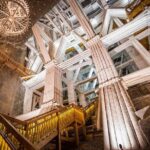
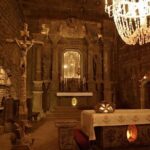
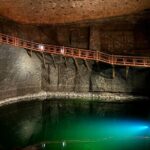
- Salt mine route is long and scenic: about 2.5 hours through an underground tourist route of over 2.5 km with salt carvings.
- Smaller group size: capped at 25 travelers, which helps the day feel controlled.
- Bring your document: Auschwitz tickets are registered to an ID/passport/credit card, so bring a matching document.
Why This Auschwitz and Salt Mine Day Combo Makes Sense
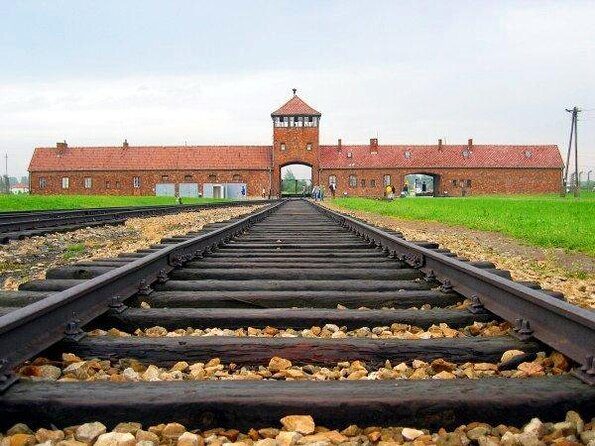
If you’re visiting Krakow and you have limited time, this type of full-day routing can be a smart way to make your planning less stressful. You’re not just hopping between two attractions; you’re getting a guided structure that keeps the day from turning into a self-guided scramble.
The big value is that Auschwitz-Birkenau and Wieliczka Salt Mine are both the kind of places that benefit from direction. Auschwitz is serious and detail-heavy, so having museum-led English commentary (with headphones) helps you track the story without straining to hear. The salt mine is visual and hands-on in feel, so after Auschwitz, it’s a different rhythm—still meaningful, but lighter on your emotional bandwidth.
The day is long, but the logistics are built around preventing wasted time. You’re traveling by air-conditioned minivan with shared transfers, which generally means fewer line-ups and fewer transit headaches than stitching together public transport.
Other Auschwitz-Birkenau combo tours from Krakow
Morning Pickup and Minivan Logistics: Where Your Energy Goes
This tour begins with pickup from your Krakow hotel or apartment. You’ll be collected between about 06:00 and 07:20, and you’ll get your exact pickup time one or two days before the tour. That early start is the trade-off: you get a smooth schedule and you avoid the day drifting into chaos.
A key practical win is that you’re not navigating schedules in another language. The minivan setup is designed for comfort and clarity: you’re in a group, but it stays organized, and you’re not left guessing where to go next. The tour also includes round-trip shared transfer, plus door-to-door transport back to your place in Krakow.
One more detail that matters: the day includes two major stops. You’ll want to show up rested and ready, because once you’re out, there’s no easy escape hatch. Also remember you’re not buying a meal from the tour plan—food and drinks aren’t included, so plan your own breaks.
Auschwitz I With Museum English Guidance: The Details That Matter
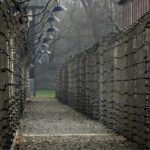
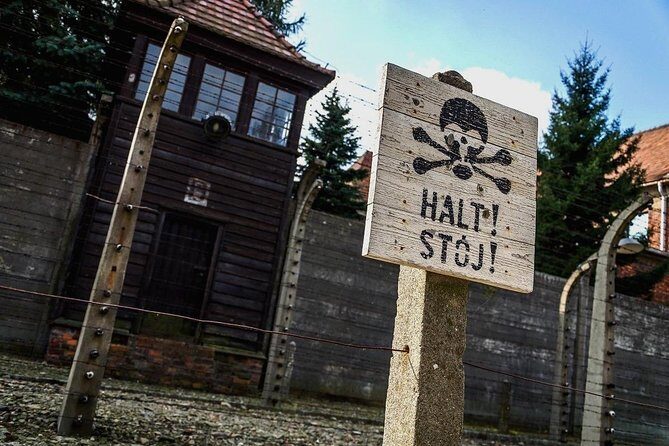
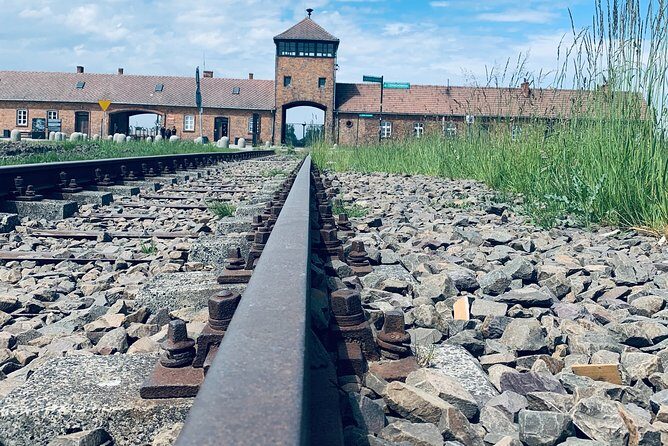
You’ll head first to Panstwowe Muzeum Auschwitz-Birkenau for Auschwitz I. Plan for around 2 hours there with the museum’s English tour. This is the section where the layout and the historical framework start clicking into place.
Even if you think you know Auschwitz from books or documentaries, the on-site experience is different because it’s built on scale, arrangement, and evidence. In the reviews tied to this style of tour, one recurring reaction is how unsettling the displayed artifacts can be—people often mention the impact of seeing personal items in the quantities preserved there, including things like the thousands of hair and shoes that represent the lives taken. That’s not something you can replicate from a screen.
A practical reason the museum-led English tour helps: you’re given guidance on what you’re seeing and why it’s preserved. And with headphones provided, you’re less likely to miss key explanations while keeping your attention on the exhibits.
Time note: because Auschwitz I is about 2 hours, you’re not spending only a few minutes per section. That pacing is important. It gives you time to look, absorb, and re-orient without feeling like you’re being pushed along.
Auschwitz II-Birkenau: When the Same Story Expands
After Auschwitz I, you’ll transfer to Auschwitz II-Birkenau. Here the visit runs about 1 hour with the same guide. That shared guide detail may sound small, but it’s a real advantage: you don’t lose the thread of the narrative mid-day.
Birkenau is where the setting can hit hardest because the scale changes what you understand. In a guided format, you’ll get the context that helps you interpret what you’re seeing rather than just staring at buildings and pathways.
A balanced way to think about this segment: Auschwitz I often feels like it explains the mechanisms and evidence. Birkenau tends to feel like it shows the system in space. The guided hour helps you connect those two ways of understanding.
Because this is still part of the same emotionally intense day, the structure matters. You won’t be left alone to time your walk, and you won’t be stuck waiting. The tour is designed so your attention is on the place, not the schedule.
Wieliczka Salt Mine After Auschwitz: A Sharp Contrast Underground
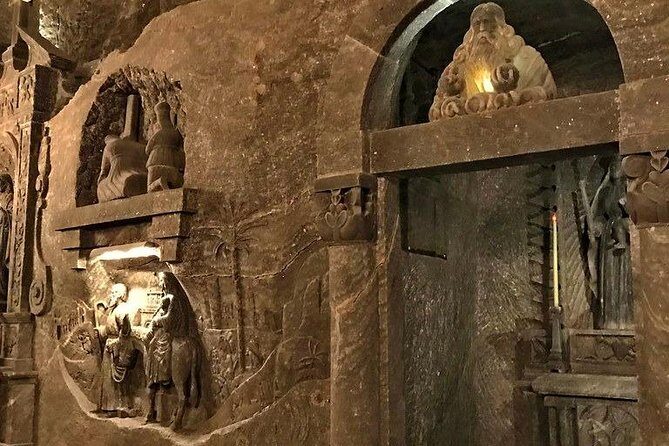
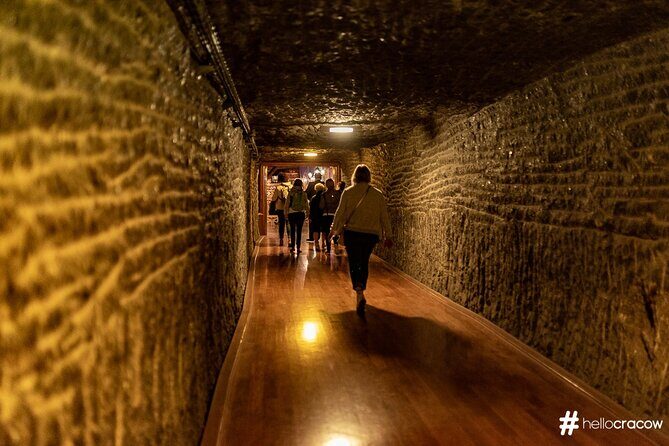
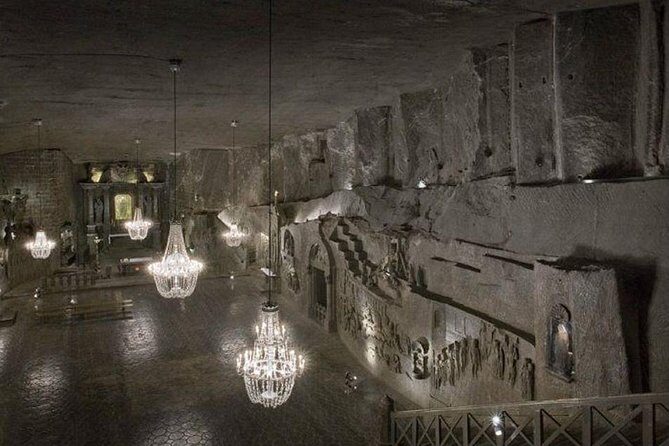
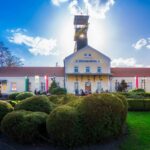
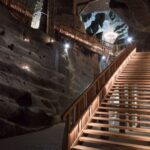
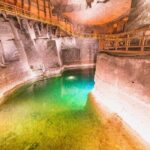
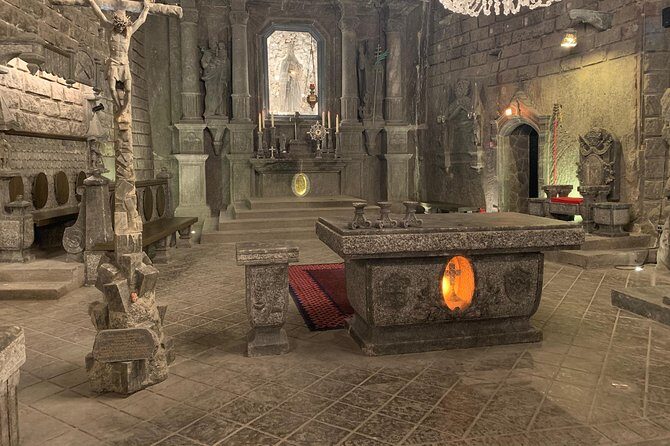
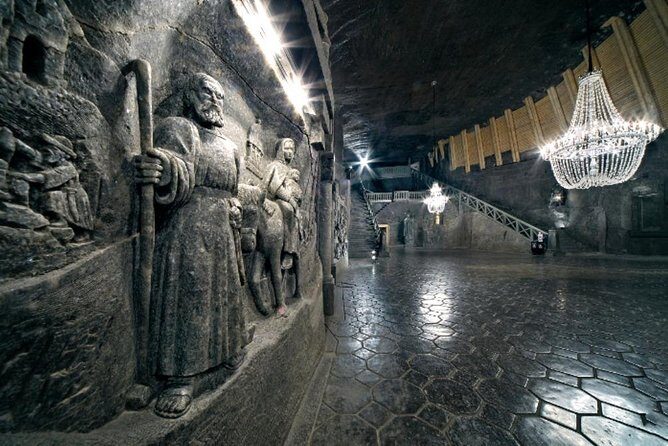
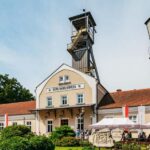
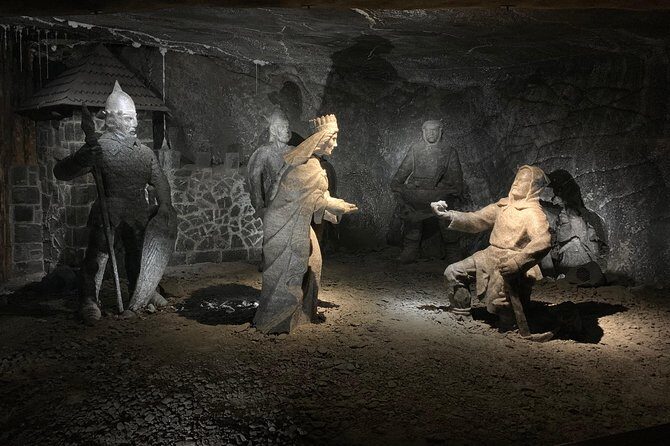
Once the camps are done, you’ll head to Wieliczka Salt Mine, one of the oldest working salt mines in the world. It’s been producing salt for over 700 years, and the experience you’re signing up for is the tourist route—over 2.5 km underground, with chambers that feature salt carvings.
Your guided time here is about 2.5 hours. That length is enough to feel like more than a quick walk-through, and it also works well after Auschwitz because it changes the sensory experience. You’re still underground and still in a structured route, but the focus shifts toward artistry and geology instead of documentation.
This stop is also where the trip can feel almost like a reset—without pretending the earlier day didn’t happen. You’ll come out with a different kind of knowledge: how a region used salt as an industry for centuries, and how that history is preserved in carvings and underground spaces.
One practical note: you’re switching from daylight to an underground environment and back again. If you’re someone who gets chilly easily, it’s smart to bring a layer.
Other tours from Krakow we've reviewed

What to Bring and How to Prepare for an Unforgiving Ticket Rule
Auschwitz tickets are registered, so you need a document match. Bring an ID card, passport, or credit card (any of these options listed for ticket verification). Don’t plan on using a photo on your phone. Bring the actual document you can show at the site.
Also, since food and drinks aren’t included, you’ll want your own plan for energy. A simple approach is to pack a snack you can eat during transit and keep a refillable water bottle handy if you prefer that.
A small but important mental prep: this is a day built around two places that demand different kinds of attention. Auschwitz asks for focus and patience. The salt mine asks for curiosity and comfort. If you go in knowing the day will be long and emotionally heavy up front, you’ll feel less stressed when the pace changes.
Price and Value: Why $162.20 Can Be Fair Here
At $162.20 per person, this isn’t a budget-only excursion. But it also isn’t just a transfer service with tickets thrown in.
Here’s where the value shows up:
- Two major sites in one day: combining Auschwitz and Birkenau with Wieliczka reduces the need for separate planning and separate transport days.
- Admissions included: entry for Auschwitz-Birkenau is included, and the Salt Mine admission is included too.
- English guidance where it counts: Auschwitz is run with English museum tours, and you also get headphones so you can follow along clearly.
- Door-to-door transport: pickup and drop-off in Krakow saves time and reduces friction.
The biggest hidden cost of trying to DIY this day is not money—it’s the time and attention you spend figuring out routes, timings, and ticket windows. This tour basically pays for a controlled flow. For many people, that’s worth the price, especially if you’re not staying near transit hubs or you don’t want the pressure of managing two separate bookings.
Where you should stay realistic: the tour still runs about 11 hours. You’re paying for organization, but you’re also signing up for a long day. Bring patience, not just a wallet.
Who This Tour Fits Best (and Who Might Want Another Plan)
This is a strong fit if:
- you want one organized day instead of two separate trips,
- you prefer an English guide approach with audio support,
- you’d rather sit in a minivan than work out public transit while juggling tickets.
It may be less ideal if:
- you’re very sensitive to long, early starts,
- you need frequent food stops or prefer meals included in your package,
- you dislike emotionally heavy sites that require mental steadiness.
The group size helps. With a maximum of 25, you’re not in a huge crowd, which makes it easier to hear the guide with headphones and follow the flow.
Should You Book This Tour? My Straight Answer
If you’re visiting Krakow and your time is limited, I’d book this. The museum-led Auschwitz experience in English, paired with Wieliczka Salt Mine on the same day, is a practical way to get both places done with less logistical strain. The included audio support and hotel pickup are not small perks—they shape whether the day feels manageable.
Just go in prepared for the rhythm: early pickup, long hours, and no food provided. If you can handle that, you’ll end up with a day that educates and stays with you, then shifts into a quieter kind of wonder underground at the salt mine.
FAQ
How long is the full day tour?
It’s about 11 hours (approx.).
What time is pickup in Krakow?
Pickup is scheduled between 06:00 and 07:20, and you’ll receive your exact pickup time 1–2 days before the tour.
Do I need an ID or passport for Auschwitz?
Yes. Auschwitz tickets are registered, so bring a document such as an ID card, passport, or credit card.
Are the tours guided in English?
Yes. The Auschwitz and Birkenau visit is an English museum tour, and the Salt Mine is also guided in English.
What’s included in the price?
Included are admission to Auschwitz-Birkenau, admission to the Salt Mine, door-to-door transportation from Krakow, round-trip shared transfer, air-conditioned minivan transport, and headphones to hear the guide clearly.
Is food included?
No. Food and drinks are not included, so plan to bring your own snacks or meals for the day.