REVIEW · WIELICZKA
Krakow: Wieliczka Salt Mine and Auschwitz-Birkenau Tour
Book on GetYourGuide →Operated by Poland Tours · Bookable on GetYourGuide
A day like this turns Krakow into a time machine. You’ll see Auschwitz-Birkenau up close, then shift gears to the underground world of Wieliczka Salt Mine. It’s heavy material, but it’s also well-structured, with guides doing the hard work of translating history into something you can actually follow.
What I like most is the pairing: Auschwitz-Birkenau gives you the full museum-guided picture of the camp system, including gas chambers and prison areas, while Wieliczka shows you how salt shaped life for centuries. I also appreciate the practical setup—air-conditioned transport, pickup in Krakow, and English live guidance to keep you from getting lost in the details.
One thing to think about: this is not a gentle stroll. You’re looking at a long, moving day with walking and an experience that’s emotionally intense, so it’s not a match if you have claustrophobia or mobility limits.
In This Review
- Key highlights you’ll care about
- Twelve hours, two very different stops in one day
- Getting picked up in Krakow without wasting your morning
- Auschwitz-Birkenau: what you’ll actually see and why it matters
- The specific things on your route
- How to approach the visit so it’s not just information overload
- Between Auschwitz and Wieliczka: your lunch break reality check
- Wieliczka Salt Mine: the underground city and its microclimate
- What you’ll learn underground
- What you’ll see in the salt rooms
- Transportation and what the tour package covers (and doesn’t)
- What to bring (and what to leave behind)
- Who this tour is best for
- Should you book this Auschwitz-Birkenau and Wieliczka day trip?
- FAQ
- How long is the tour from Krakow?
- Is the Auschwitz-Birkenau part guided?
- Does the tour include lunch?
- What is included with Wieliczka Salt Mine?
- What should I bring for entry?
- Are there restrictions on luggage or bags?
Key highlights you’ll care about
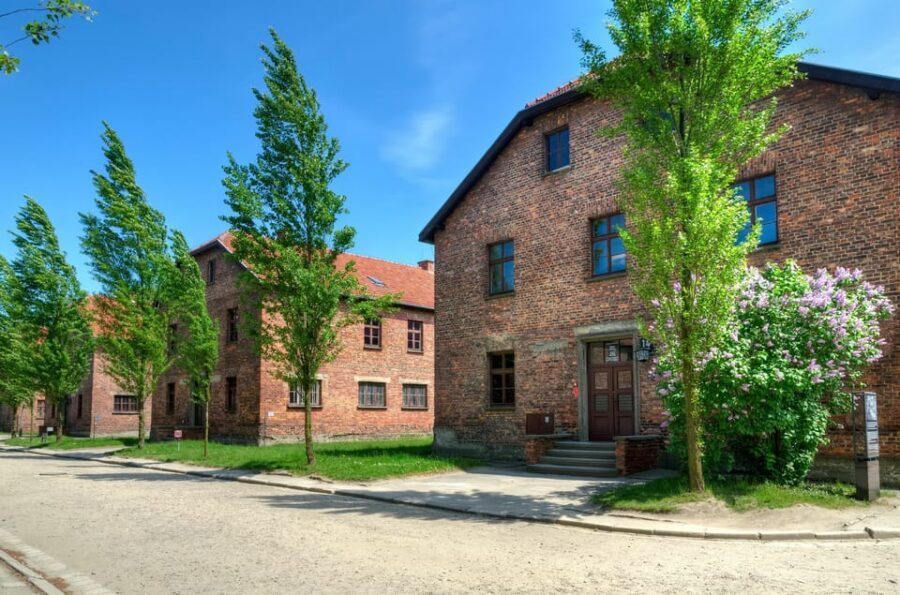
- Auschwitz-Birkenau, guided by a licensed English guide with time to understand what you’re seeing
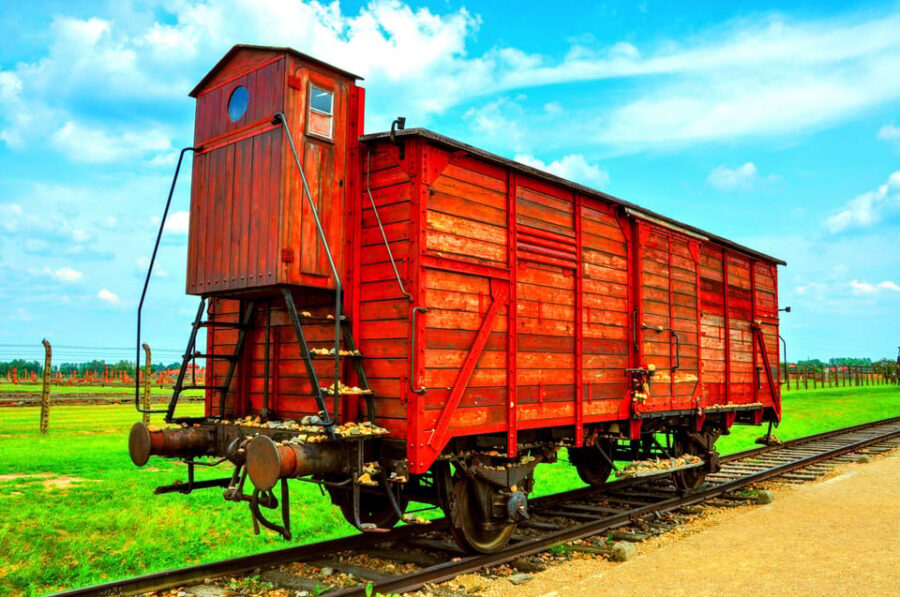
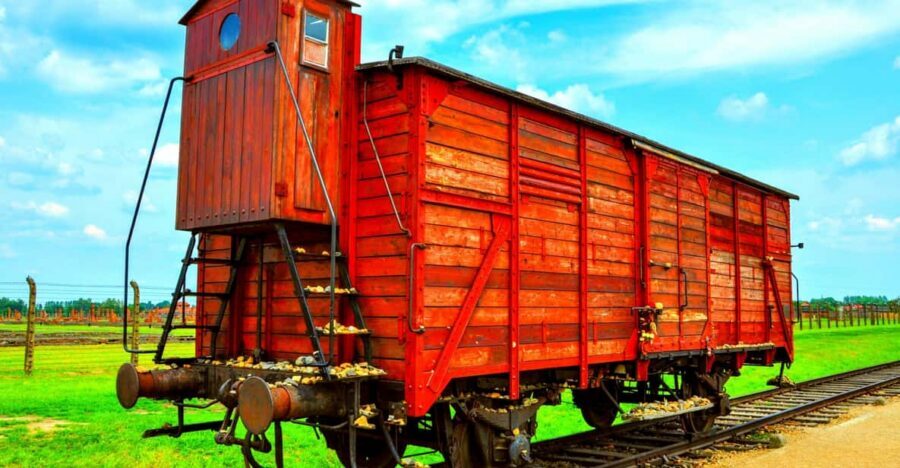
- Original camp features on the itinerary, including gas chambers and prison blocks, plus the remains of the railway ramp
- Skip-the-ticket-line so you spend more time inside and less time waiting
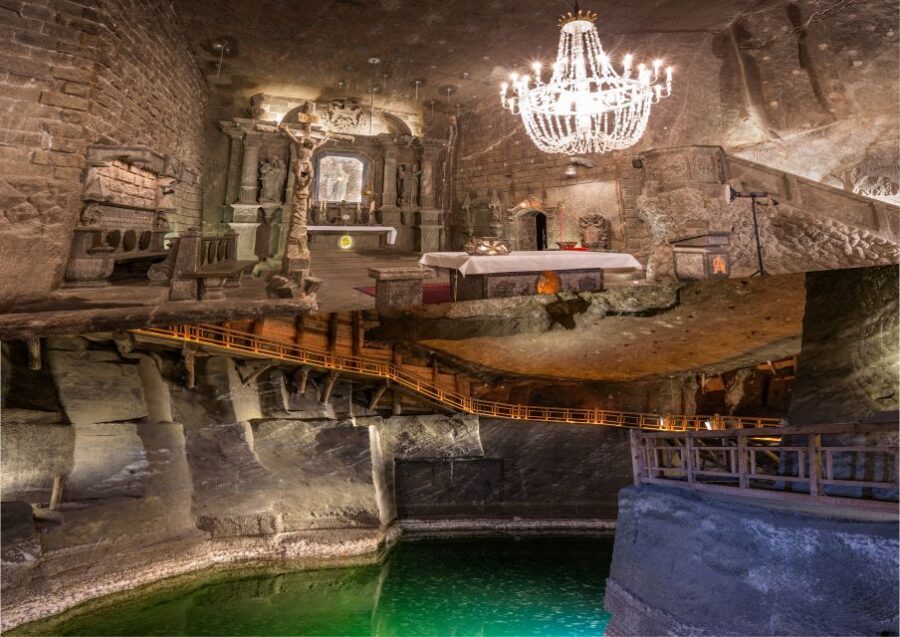
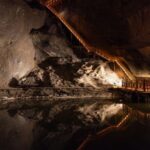
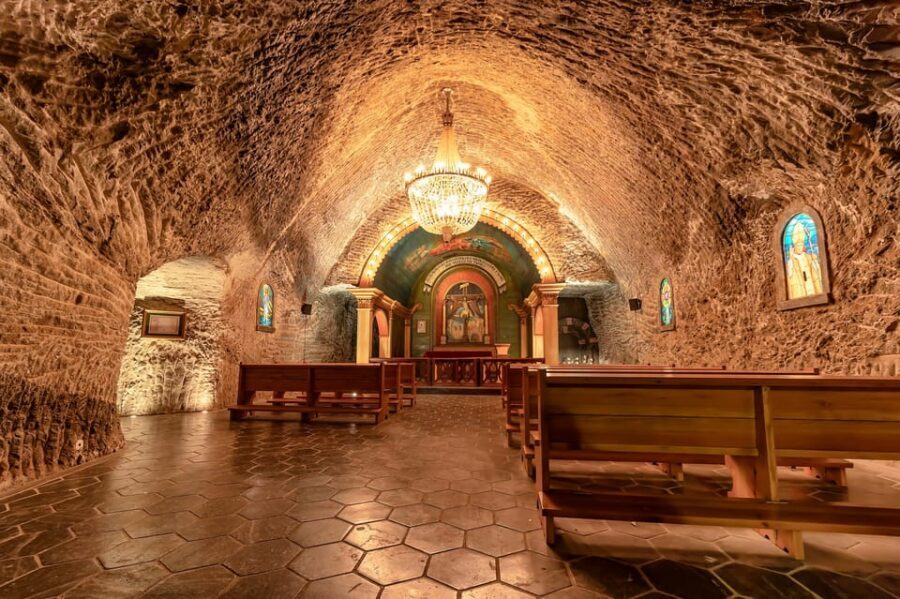
- Wieliczka’s underground salt chapels and statues, carved in rock salt
- Special mine air described as healing, with a micro-element filled climate experience
Twelve hours, two very different stops in one day
This tour is built for a long day: about 12 hours total, with pickup from Krakow and then two major sites that most people only visit once. The pacing works best if you’re ready for emotional gravity in the morning and a slower, more sensory shift underground later.
You’re also not “just dropped off.” You travel by air-conditioned vehicle with an English-speaking driver who can answer questions along the way. Then, on site, you get live guidance with licensed museum guides. That combination matters because both Auschwitz-Birkenau and Wieliczka are places where context changes everything.
I recommend you go in with two mindsets: first, let the Auschwitz portion be serious and unhurried in your own head. Second, treat the salt mine as a different kind of education—history underground, plus the physical experience of being in a unique microclimate.
Other Auschwitz-Birkenau combo tours from Wieliczka
Getting picked up in Krakow without wasting your morning
The day starts in Krakow with pickup from a meeting point. Transport is in an air-conditioned vehicle, which is a real comfort factor on a full-day itinerary. The tour also includes skip-the-ticket-line, which helps you move faster once you arrive.
The best practical advice is simple: show up early enough that you’re not dependent on exact timing. One low point tied to this kind of day is that if pickup goes wrong, you’re stuck waiting. So I’d treat pickup time like a train connection—be early, check your confirmation details, and keep your phone charged in case you need to contact the operator.
Also note the tour is designed for people who can handle walking. You’ll want comfortable shoes and warm layers, because you’ll go from outdoor weather into indoor and underground spaces.
Auschwitz-Birkenau: what you’ll actually see and why it matters
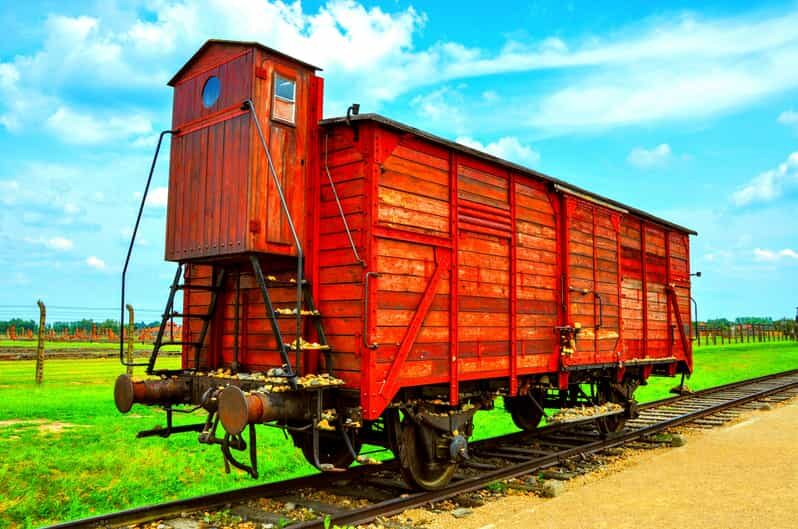
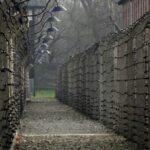
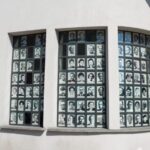
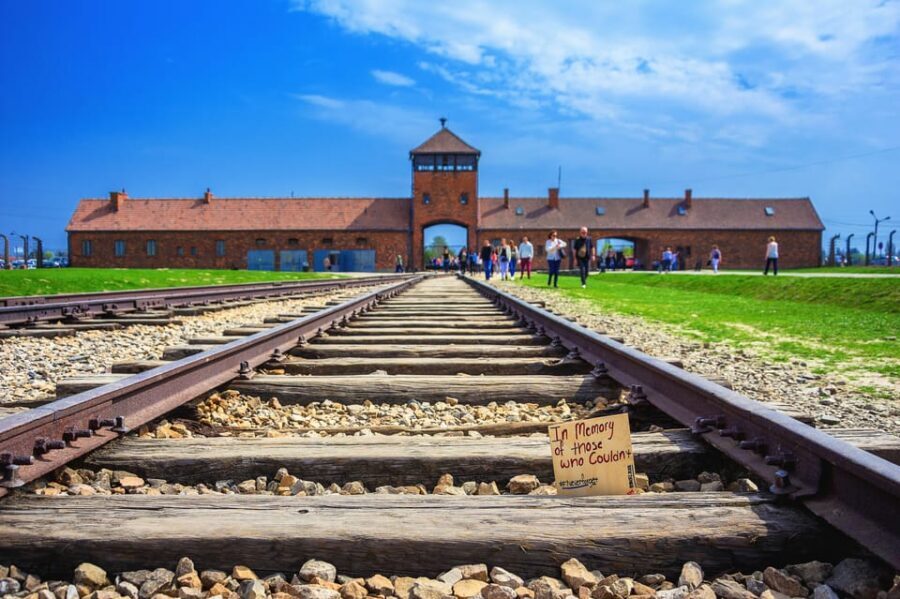
The Auschwitz-Birkenau part is the heart of the experience, and it’s understandably intense. You’ll arrive and then join a guided visit with a licensed guide, focusing on the history of the camps and the genocide committed during World War II.
The specific things on your route
You’ll see original features, including:
- Gas chambers and related structures
- Prison blocks (the remains of the detention areas)
- The remains of the railway ramp in Birkenau, where prisoners arrived
These aren’t “photo spots.” They’re tangible remains in a museum setting, and the guide’s job is to help you connect the sites to the system—how people were processed, confined, and destroyed.
How to approach the visit so it’s not just information overload
Even with a guide, it can feel like you’re absorbing too much at once. That’s normal here. What helps is to slow your own attention down in small ways:
- Take a minute before moving into the next section, and mentally note where you are in the story.
- If the group is moving quickly, don’t try to keep up with everything at the same speed. Instead, focus on understanding the big picture the guide is building.
Some people find these visits move briskly, so if you prefer a slower pace, plan for that reality and bring patience with you.
Between Auschwitz and Wieliczka: your lunch break reality check
This tour includes a 40–60-minute lunch break between the two main sites. Food and drinks are not included, so you’ll be spending your own money here and you’ll want to treat this break as short.
Practical move: eat something you can handle quickly. Save long sitting for later. Also keep in mind that after Auschwitz-Birkenau, your energy might drop—not from fatigue alone, but from emotional intensity—so having a plan for food helps.
If you’re sensitive to strong environments or you tend to get lightheaded, consider bringing water. The tour doesn’t list water as included, so check what’s easiest for you to carry within the allowed rules.
Wieliczka Salt Mine: the underground city and its microclimate
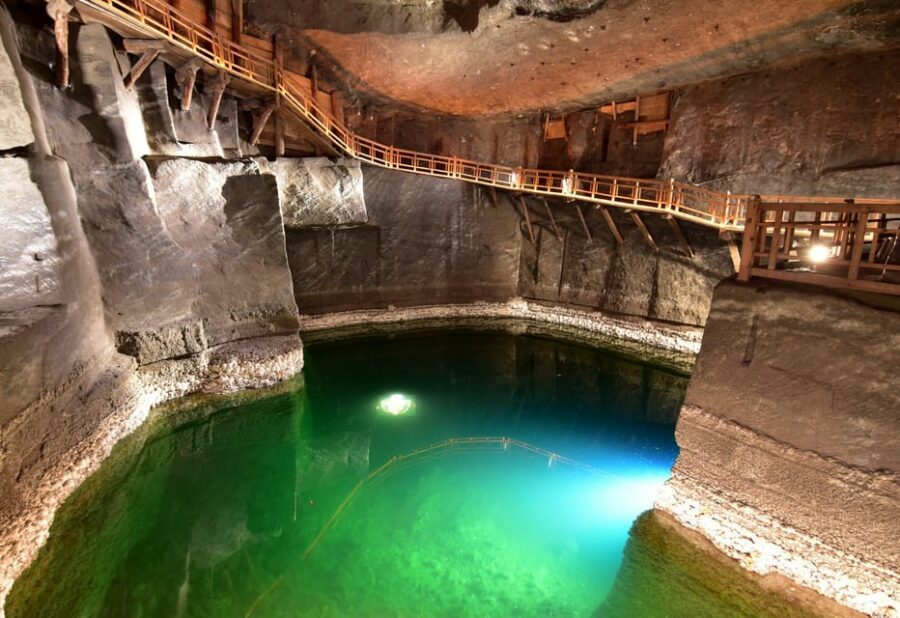
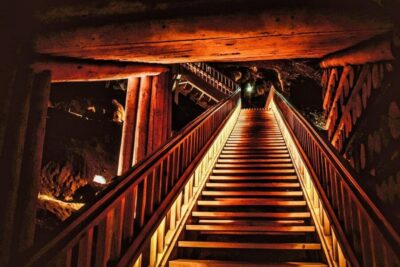
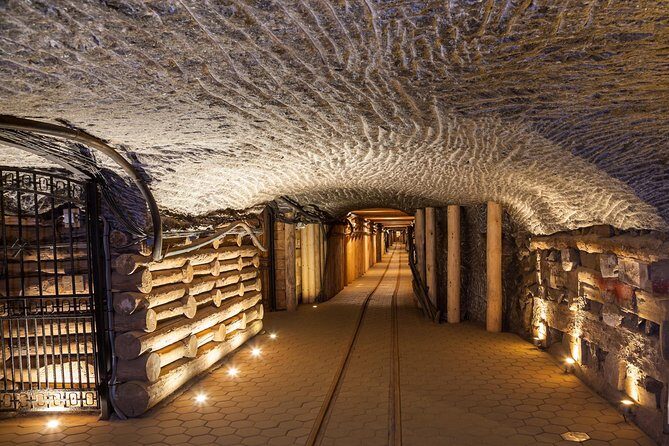
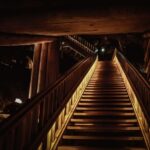
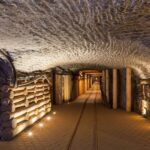
After the concentration camp visit, you head to Wieliczka Salt Mine, which feels like a different planet. Here the guide leads you through what’s often described as an underground city: chambers, corridors, and spaces connected to salt extraction.
What you’ll learn underground
You’ll get history tied to salt mining that dates back to the Middle Ages, and you’ll learn how salt extraction shaped the mine’s development. The tour is also built around the physical experience: you’re inside a special climate, described as having healing properties and a micro-element filled air.
Now, I’m not going to pretend salt mines are a miracle cure. But the air and environment are part of the experience here. If you’ve ever been curious about how places affect breathing and comfort, this is the structured version of that curiosity.
What you’ll see in the salt rooms
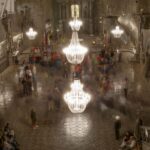
The wow factor at Wieliczka is the craft. You’ll see statues and chapels carved out of rock salt. The effect is part art, part geology, and part human ingenuity—people turning a raw mineral into something sacred and detailed.
Keep in mind you’ll be underground. The tour is not recommended for people with claustrophobia, so if tight spaces make you uneasy, take that warning seriously.
Transportation and what the tour package covers (and doesn’t)
At $111 per person for a 12-hour day, you’re paying for more than transit. You’re paying for:
- Pickup in Krakow and air-conditioned transportation
- Live, English guidance at both sites (and licensed guiding at the museums)
- Entrance tickets for Auschwitz-Birkenau and Wieliczka Salt Mine
- Skip-the-ticket-line support
- A structured day with a planned lunch break
What’s not included is equally important: food and drinks. So your true cost depends on how you eat at lunch and whether you buy snacks or water during the day.
Value-wise, this package makes sense if you want one-day coordination without juggling separate tickets and meeting points yourself. It also helps if your priority is making sure you understand what you’re looking at. If you’re a DIY traveler who loves building your own schedule, you might compare ticketing and transportation costs. But if you want the day handled and explained in English, this pricing is fairly aligned with what you get.
What to bring (and what to leave behind)
This is a day where small choices make a big difference.
Bring:
- Passport or ID card (you’ll need it for entry)
- Comfortable shoes
- Warm clothing (especially for shifting between outdoor and indoor/underground spaces)
- If you’re using student pricing, a valid student card
Don’t bring:
- Pets
- Anything you plan to smoke with
- Luggage or large bags (and baby items have size rules)
- Baby carriages and luggage larger than 30 x 20 x 10 cm are not permitted inside. If you’re traveling with a baby, you’ll need to bring a child seat or sling.
Also keep this Auschwitz-specific requirement in mind: you must provide your full name and contact details when booking. Entrance can be refused if the name doesn’t match the name on your ID exactly, and museum tickets are non-refundable because of how the entry process works. Double-check spellings during booking. It’s not the time to guess.
Who this tour is best for
This day is best if you:
- Want one organized day that tackles both Auschwitz-Birkenau and Wieliczka from Krakow
- Prefer English live guidance instead of piecing things together
- Can handle a long day with walking and serious subject matter
It’s not a good fit for:
- Children under 13
- People with walking disability
- People with claustrophobia
- Anyone who needs to bring larger luggage than allowed
If you’re emotionally affected easily, you should still know that this is an Auschwitz visit. Go when you’re ready, not when you’re curious.
Should you book this Auschwitz-Birkenau and Wieliczka day trip?
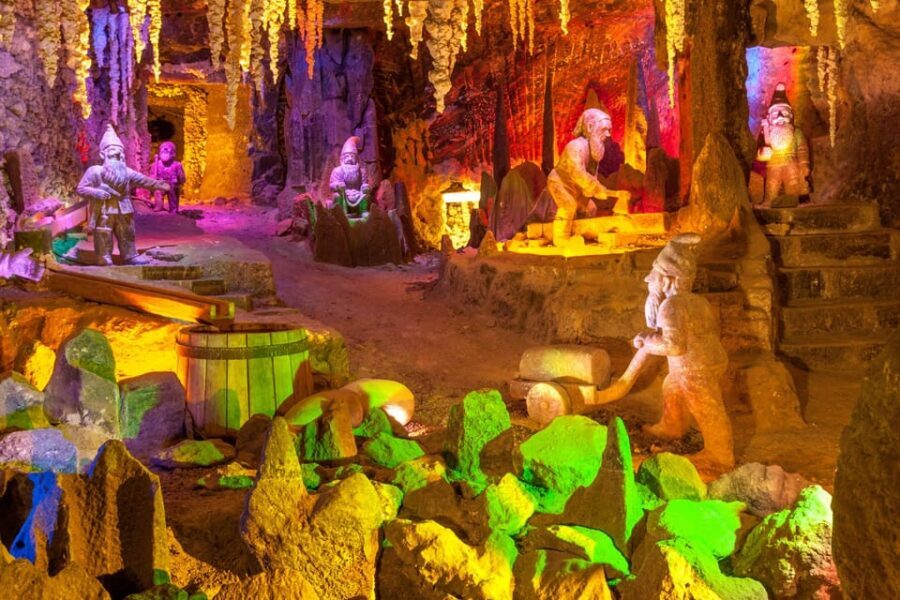
Book it if you want strong organization, English guidance at both sites, and the convenience of pickup from Krakow with tickets handled. It’s also a good choice if you like your days structured: travel, museum time, a short lunch, then the salt mine’s carved underground world.
Skip or reconsider if you need a slower pace, struggle with long walks, or feel anxious in tight spaces. This is also not the day for heavy luggage, so travel light.
Finally, I’d book with confidence if you accept two realities: Auschwitz is heavy, and timing matters. If you arrive early for pickup and follow the ID name rules carefully, this tour can be a very efficient way to see two iconic places without turning your day into a logistical puzzle.
FAQ
How long is the tour from Krakow?
The tour runs for 12 hours in total. Starting times depend on availability.
Is the Auschwitz-Birkenau part guided?
Yes. You get a live guided visit with a licensed guide in English at Auschwitz-Birkenau, and entrance tickets are included.
Does the tour include lunch?
There is a 40–60-minute lunch break between Wieliczka and Auschwitz, but food and drinks are not included.
What is included with Wieliczka Salt Mine?
You get a live guide and entrance tickets for the Wieliczka Salt Mine underground visit, including time to see the rock-salt carvings and chapels.
What should I bring for entry?
Bring your passport or ID card. Comfortable shoes and warm clothing are also recommended.
Are there restrictions on luggage or bags?
Yes. Pets are not allowed, smoking is not allowed, and luggage or large bags are not permitted. Baby carriages and luggage larger than 30 x 20 x 10 cm are not permitted inside.