REVIEW · KRAKOW
Auschwitz- Birkenau and Wieliczka Salt Mine in One Day
Book on Viator →Operated by Poland Active · Bookable on Viator
Two UNESCO sites, one very long day. What makes this day trip click is the simple setup: you get hotel pickup and an organized route that lines up English-guided visits to both Auschwitz-Birkenau and the Wieliczka Salt Mine. It is efficient, but the pace can feel tight if you need time to sit with what you’re seeing.
You’ll spend about 2.5 hours at Auschwitz I with the museum’s English guide, then transfer roughly 2 km to Auschwitz II-Birkenau for about 1 hour with the same guide. After that, you head to Wieliczka for a 2.5-hour guided underground route. If you’re expecting a slow, wandering day, this combo is more about focused storytelling and good logistics than lingering.
In This Review
- Two UNESCO Sites, One Pickup: How the Day Trip Really Runs
- Auschwitz I and Birkenau in One Day: What Makes This Pairing Work
- Auschwitz I: 2.5 Hours With the Museum Guide at the Original Camp
- The 2 km Transfer to Auschwitz II-Birkenau: Why You Don’t Want to Split This
- Wieliczka Salt Mine: The 378-Step Descent and the Underground 2.5 Hours
- Pace, Crowds, and That Feeling of Being Moved Along
- Comfort, Packing Rules, and What to Wear (Seriously)
- Guides and Drivers: Where the Experience Can Make or Break
- Price and Value: Is $187.53 a Fair Deal?
- Who This Tour Suits Best (and Who Might Want a Different Plan)
- Should You Book This Auschwitz and Wieliczka One-Day Combo?
- FAQ
- How long is the Auschwitz-Birkenau and Wieliczka Salt Mine tour?
- Is the tour offered in English?
- Does the price include hotel pickup and drop-off?
- Are admission tickets included for Auschwitz and the Salt Mine?
- Are headphones provided during the tours?
- Is lunch included?
- Do I need an ID or passport?
- Is there a bag size limit for the Auschwitz museum?
- Can I cancel for a full refund?
Two UNESCO Sites, One Pickup: How the Day Trip Really Runs
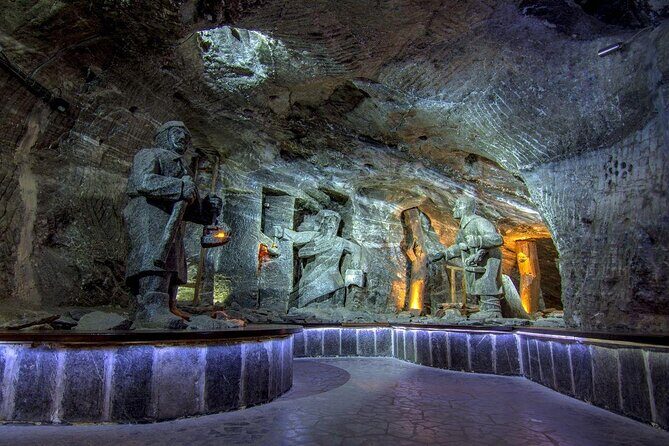
This is one-ticket, one-driver convenience. Instead of piecing together trains, timed entry, and separate guides, you’re handled from Krakow to both sites in an air-conditioned minivan (headphones included so you can actually hear).
The day is long—around 12 hours—but it’s structured:
- A hotel pickup to start
- Tours at Auschwitz I and Auschwitz II-Birkenau (museum-guided, in English)
- A guided visit underground at Wieliczka (also in English)
- Return back to your original meeting point
Group size is capped at 30, which helps with movement. You’ll still be in a group setting, and that matters at Auschwitz, where crowds and timed access can limit pause-and-stare moments.
One thing I really like for practical travel: you don’t have to solve how to get from place to place. You just show up, follow the group, and use your free time on the bus for a breather.
Auschwitz I and Birkenau in One Day: What Makes This Pairing Work
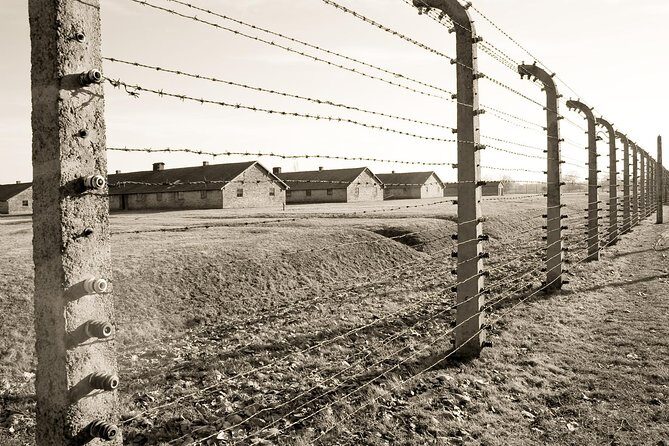
Combining Auschwitz I and Auschwitz II-Birkenau in a single outing is powerful because the story is split across two camps. Auschwitz I is where you start to understand the system and the physical layout of the original camp. Birkenau is where the scale gets harder to process—bigger, more spread out, and visually overwhelming in a different way.
This tour also keeps you with one English guide for both parts. That helps. When the same guide stays with you across the transfer, the explanations can build instead of resetting.
Here’s the key reality check: Auschwitz is emotionally intense and physically involving—lots of walking and standing. If you want to read every label slowly or you need frequent breaks, you may end up feeling rushed. The museum guides do their best, but the schedule moves.
Other Auschwitz-Birkenau combo tours from Krakow
Auschwitz I: 2.5 Hours With the Museum Guide at the Original Camp
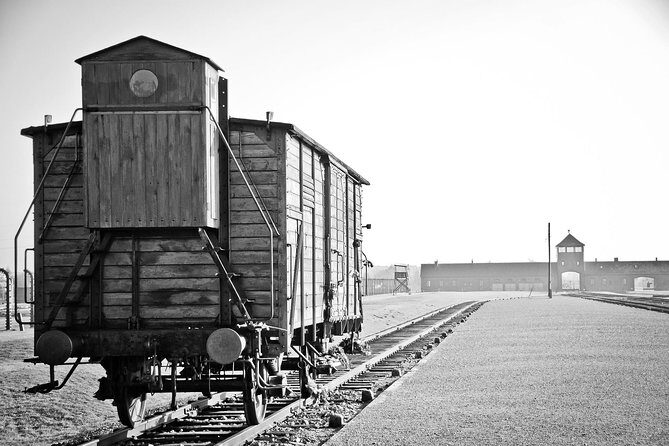
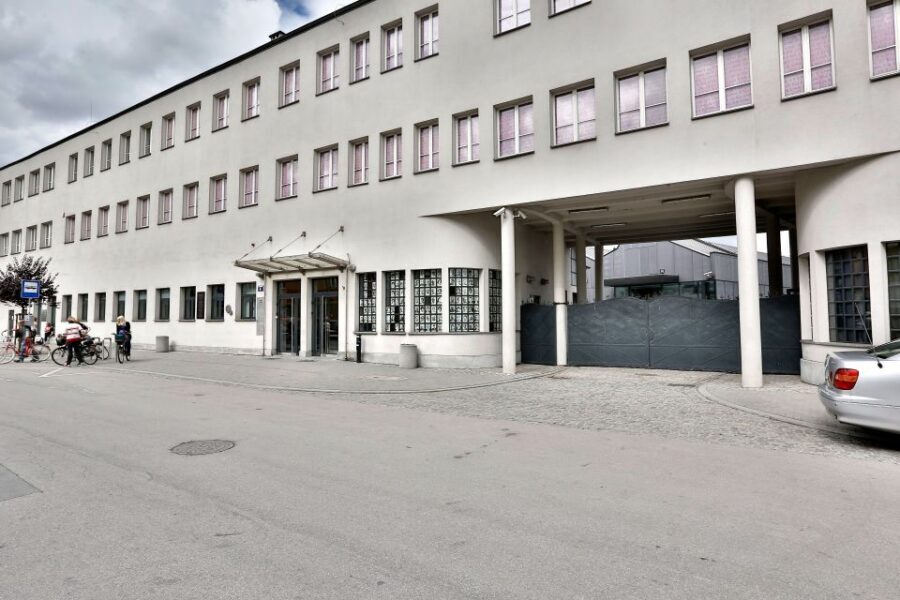
At Auschwitz I, you’ll join the museum’s English tour for about 2.5 hours. This is the part where structure matters. You’re not just looking at buildings—you’re trying to connect what you see with what the guide explains: how the camp operated, and how daily life and persecution unfolded there.
I like that this is not handled by a generic bus-stops approach. A museum-led visit means you’re given the context you might miss if you’re walking it alone. Also, headphones are provided, and that is genuinely helpful here. The Auschwitz guides often speak softly, and with headphones you’re not stuck craning your neck or losing key points behind other groups.
Practical note: you’re dealing with security checks and tight museum rules. Plan to pack light and arrive with your ID ready.
The 2 km Transfer to Auschwitz II-Birkenau: Why You Don’t Want to Split This
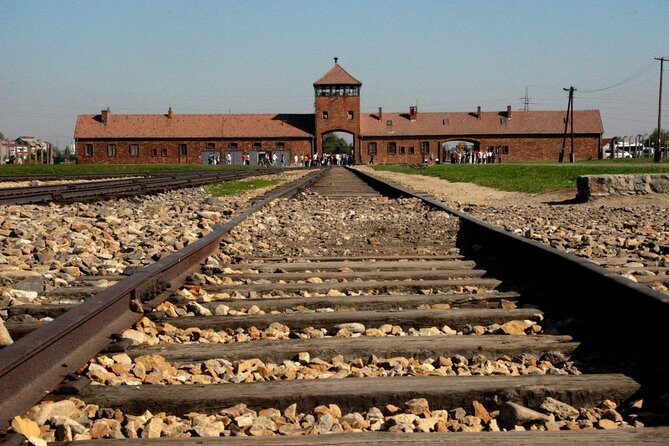
After Auschwitz I, you’ll transfer to Auschwitz II-Birkenau (about 2 km away) and spend about 1 hour there with the same guide.
That short distance is part of the logic of a one-day schedule. You get a clear jump in perspective: original camp → the larger, more infamous site. Even if the Birkenau portion is shorter than Auschwitz I, the change in setting is what lands.
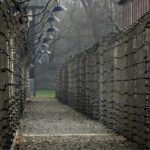
In Birkenau, you’ll also notice why timing matters. The camp layout encourages movement, and it’s easy to get swept along by the group system. If you’re the type who needs to stop often and look closely, you might feel the squeeze. You may find yourself moving past some exhibits before you feel finished.
Still, it’s a strong way to cover both sites when you only have a day and you want a real guide’s framing.
Wieliczka Salt Mine: The 378-Step Descent and the Underground 2.5 Hours
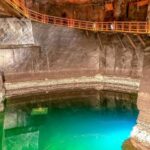
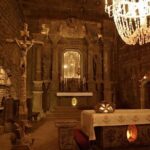
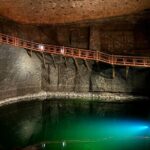
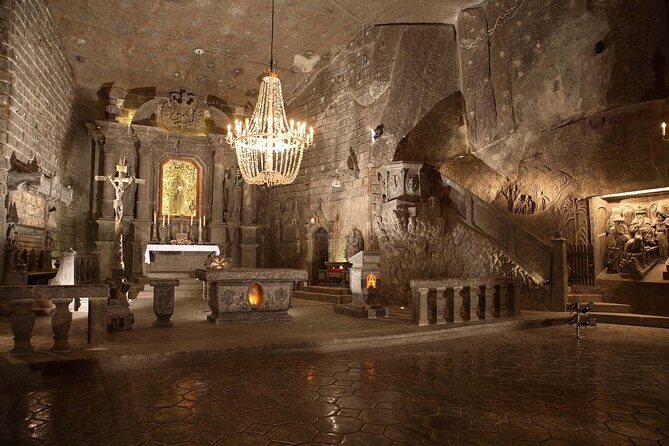
Then comes the switch in tone: Wieliczka is heavy in a different way—physically and visually spectacular, but not emotionally similar to Auschwitz. The salt mine is a UNESCO World Heritage Site, and it’s one of the oldest working salt mines in the world, producing table salt for over 700 years.
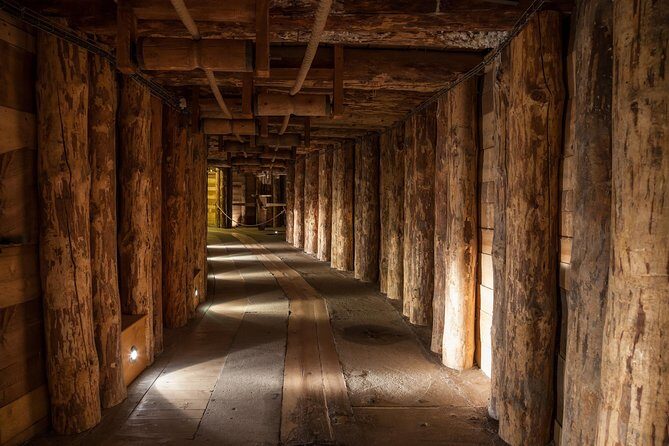
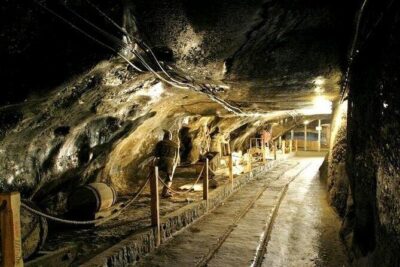
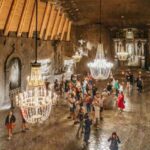
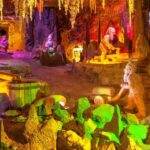
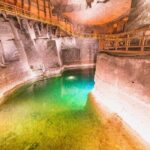
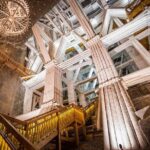
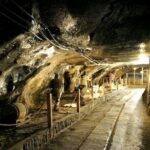
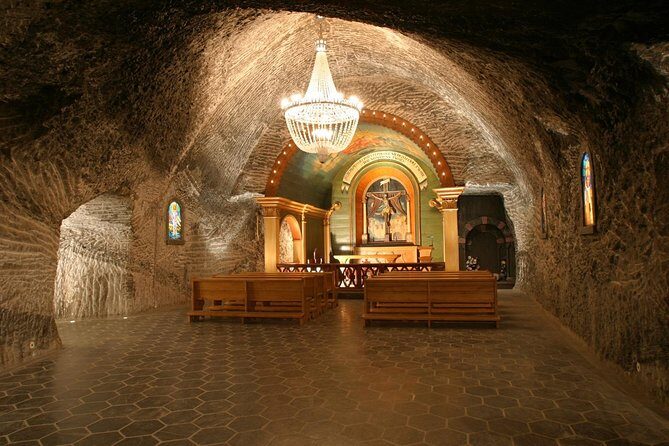
You’ll transfer from Auschwitz to Wieliczka and join an English guided tour. The mine tour runs about 2.5 hours and covers a tourist route of roughly 2.5 km, with chambers, carvings, and statues made of salt. The guide takes you up to about 140 meters underground.
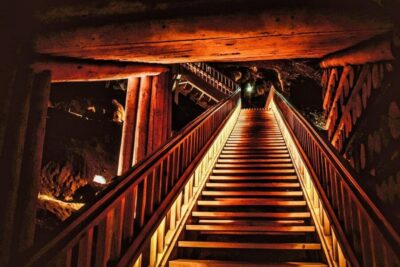
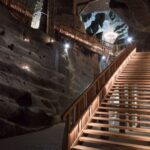
Fitness matters here. The first level is reached by a wooden stairway with 378 stairs (down to 64 meters underground). After the tour, you go back up to the surface using a lift, which is a big relief.
My practical advice: treat this like a stair workout. Wear shoes with grip, because the route is underground and you don’t want to be thinking about your footing.
Pace, Crowds, and That Feeling of Being Moved Along
This tour is popular for a reason. You knock out two major UNESCO sites in one day, and you don’t scramble across town to make it happen.
But the trade-off is pacing. A lot of the day involves standing and walking in coordinated group motion—at Auschwitz and at the salt mine. Some tours feel like you get shown the highlights, not the slow, private experience you might hope for.
A few specific pace-related things to keep in mind:
- At Auschwitz, the intensity of the setting can make every second feel significant, even if the group is moving normally.
- In crowded areas, you may struggle to fully pause and read without feeling like the next group is urging you forward.
- At Wieliczka, the big stair descent and guided route can leave less time for extra photos in every spot.
If you’re okay with a guided overview and you trust the guide to point you to what matters most, this is a great format. If you want a quiet, unhurried visit, consider using two days so you can breathe between sections.
Other full-day and day trips in Krakow



Comfort, Packing Rules, and What to Wear (Seriously)
A smooth day depends on small practical choices.
Bags: Large bags cannot be brought inside the museum. The maximum allowed bag size is 30 x 20 x 10 cm. Pack like you’re going to a strict museum, because you are.
ID: You need your passport or ID on the day for this tour.
Security checks: Expect security screening when entering the grounds of the museum.
Stairs: At Wieliczka, you’re descending 378 steps via wooden stairs. That’s not “light walking.” It’s a lot of legs.
What to wear: Comfy shoes are non-negotiable. Bring something you can walk in for hours, and consider a light layer you can adjust during transfers.
On transport, the minivan is air-conditioned and you’ll get headphones to hear the guides clearly. That’s one of the best value add-ons here—hearing matters more than people think, especially at Auschwitz.
Guides and Drivers: Where the Experience Can Make or Break
This kind of tour rises or falls on execution: keeping the group moving, explaining clearly, and treating the sites with the right tone.
From what I’ve seen praised in similar departures, the Auschwitz museum guide format is often a highlight—one name that stands out in people’s feedback is Martin. At Wieliczka, guides like Dominik and Justine get called out for making the salt mine tour feel engaging and fun without turning it into a joke.
Drivers also shape the day. Names like Dawid, Michael, and Patrick show up in feedback, usually in connection with punctual pickups and smooth handling. When the driver sets expectations on timing and keeps the day on track, you lose less time in confusion—exactly what you want when the schedule is packed.
Price and Value: Is $187.53 a Fair Deal?
At $187.53 per person, this isn’t a budget sprint. It’s a full-day, organized experience that includes a lot you’d otherwise pay for separately.
Here’s what you get for the price:
- Hotel pickup and drop-off
- Air-conditioned minivan transport
- Headphones
- Tickets to Auschwitz-Birkenau and the Wieliczka Salt Mine
- English guided tours (with the museum guide at Auschwitz)
What’s not included: food and drinks, including lunch.
So the value question comes down to this: Are you saving effort and money by bundling two big-ticket sites with admissions and transport in one go? For many visitors to Krakow, yes. When you’re short on time, a combination day is usually the most practical way to see both UNESCO sites without turning your schedule into a spreadsheet.
My rule of thumb: this price makes sense when you want guided context and stress-free logistics. If you’d rather go at your own pace, you can often do it cheaper—but you’d trade away the structure, headphones, and pickup.
Who This Tour Suits Best (and Who Might Want a Different Plan)
This combo works especially well if:
- You’re visiting Krakow for a short time
- You want both Auschwitz-Birkenau and Wieliczka without multiple bookings
- You like being guided, with clear explanations and headset audio
- You’re comfortable with a long day and lots of walking
It might feel less ideal if:
- You strongly prefer unhurried, solo time inside museums
- You need frequent breaks due to fatigue or emotional intensity
- You’re traveling with kids and you’re not sure they’ll handle the Auschwitz environment (it can be a lot)
If you can swing the time, doing Auschwitz on one day and Wieliczka on another is a nicer pace for your body and your mind. But if you only have one day and you want the highlights with solid logistics, this is a reasonable way to handle it.
Should You Book This Auschwitz and Wieliczka One-Day Combo?
I’d book it if you want a structured, guided route that checks two UNESCO boxes without forcing you to coordinate transport and entry by yourself. The hotel pickup, admissions included, and headphones are meaningful value, and the museum-guide approach at Auschwitz is the right kind of framing.
I’d think twice if you’re the type who needs extra time at exhibits, or if you know you’ll struggle with a long day of standing, walking, and the salt mine’s 378 steps. In that case, you may be happier splitting it into two days.
If your main goal is: see both sites, learn the context, and keep the logistics simple—this one-day format is a solid choice. Just pack light, wear grippy shoes, and give yourself permission to feel what you feel, even if the group is moving.
FAQ
How long is the Auschwitz-Birkenau and Wieliczka Salt Mine tour?
The duration is approximately 12 hours.
Is the tour offered in English?
Yes. The tour is offered in English.
Does the price include hotel pickup and drop-off?
Yes. Hotel pick-up and drop-off are included.
Are admission tickets included for Auschwitz and the Salt Mine?
Yes. Tickets to Auschwitz-Birkenau and the Wieliczka Salt Mine are included.
Are headphones provided during the tours?
Yes. Headphones are included so you can hear the guide clearly.
Is lunch included?
No. Food and drinks, including lunch, are not included.
Do I need an ID or passport?
Yes. An ID or passport is necessary on the day for this tour.
Is there a bag size limit for the Auschwitz museum?
Yes. Large bags can’t be brought inside the museum, and the maximum permitted bag size is 30 x 20 x 10 cm.
Can I cancel for a full refund?
Yes. You can cancel up to 24 hours in advance for a full refund.