REVIEW · KRAKOW
1 Day Trip Auschwitz Birkenau and Salt Mines with Hotel Transfer
Book on Viator →Operated by Krakow Tours by KrakowDirect · Bookable on Viator
Two UNESCO sites, one long day. This Auschwitz-Birkenau and Wieliczka Salt Mine day trip from Krakow is interesting because it’s guided end-to-end and not just a “get on a bus, good luck” day. You’ll also use headsets at Auschwitz so you can actually follow the story, even when the setting is overwhelming.
I like that the big costs are bundled up front: transport, professional guidance, and entrance tickets. There’s also a short film (Liberation of Auschwitz) shown on the ride, which helps set the context before you ever reach the gates.
The main drawback is physical and emotional load. You should plan for serious walking and stairs, including the salt mine descent of 400 steps down and an underground route with 800+ stairs, all while you’re taking in one of the hardest chapters of modern history.
In This Review
- Key Highlights Worth Marking on Your Map
- What You’re Really Buying: Two UNESCO Visits in One Schedule
- The Morning Transfer and The Liberation of Auschwitz Film
- Auschwitz I: The Gate, Barracks, and Why Headsets Matter
- Birkenau Auschwitz II: Vast Scale, Brutal Purpose, and Liberation
- Wieliczka Salt Mine: 140 Meters Down, 2.5 km of Salt Carvings
- Price and Value: When $117.30 Feels Fair
- Timing, Walking, and What to Pack (So You Don’t Hate Your Future Self)
- Who This Tour Fits Best (and Who Might Want a Different Plan)
- Should You Book This Auschwitz and Salt Mine Day Trip?
- FAQ
- How long is the Auschwitz-Birkenau and Wieliczka Salt Mine day trip?
- Does this tour include hotel pickup in Krakow?
- Are entrance fees included?
- Do I need identification for Auschwitz?
- How deep do you go in the Wieliczka Salt Mine?
- What is the salt mine tour duration and route length?
- Is food included during the day?
Key Highlights Worth Marking on Your Map
- Licensed Auschwitz museum guides and an Auschwitz-specific flow with headsets
- Entrance fees included, so you’re not paying again at the counter
- Liberation of Auschwitz documentary screened during the drive
- Wieliczka’s 700+ years of working salt mining with guided chambers and carvings
- Small groups (Auschwitz limits tours to about 30 people, with a max of 35 on the overall trip)
- Strong contrast: heavy WWII sites above ground, then bright white salt art underground
What You’re Really Buying: Two UNESCO Visits in One Schedule
This tour is built for the traveler who wants to do Krakow’s two “big name” UNESCO stops without stress. You get guided time at Auschwitz-Birkenau—broken into Auschwitz I and Birkenau—and then a guided tour deep in the Wieliczka Salt Mine. The value comes from how the day is stitched together: transport is handled, entry is handled, and the guides handle the pacing.
That matters because both sites have fixed entry realities. Auschwitz tours run on timed slots inside a controlled space, and Wieliczka’s underground route has a set path you follow. Doing them in one day only works if the logistics are tight.
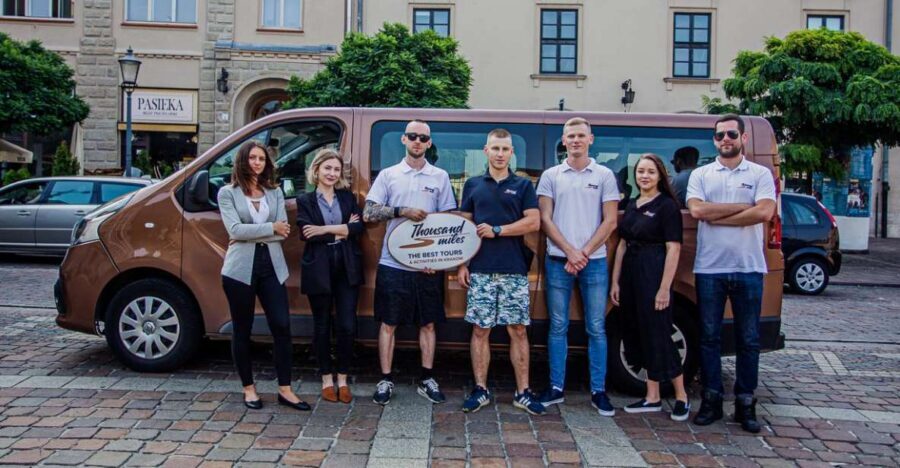
Also, you’ll have a friendly English-speaking group leader for the day, plus a licensed guide at Auschwitz-Birkenau. One review mentioned a guide named Mihael was very easy to listen to—clear with the audio setup, which is exactly what you want when emotions make concentration harder.
Other Auschwitz-Birkenau combo tours from Krakow
The Morning Transfer and The Liberation of Auschwitz Film
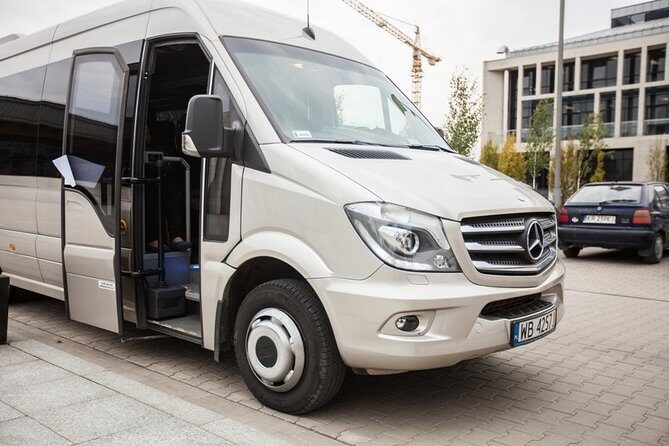
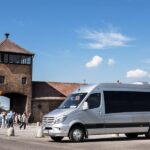
Your day typically starts with pickup at a Krakow hotel (if you choose that option) or at a central meeting point. The ride is in an air-conditioned vehicle, and the plan is to get you to Oswiecim (about 1 hour 15 minutes away, roughly 65 km) with enough time to enter the camps properly.
On the way, the tour screens a short documentary: Liberation of Auschwitz. You’ll see footage connected to the Soviet soldiers who freed the camp. I like this approach, because it gives you a few minutes of grounding before you’re staring at the surviving architecture and artifacts. You’re not learning everything; you’re just preparing your brain for what comes next.
One practical note: pickup times can be tentative and may shift with museum scheduling and road conditions. You’ll get a confirmed exact pickup time the day before. If you’re the type who hates uncertainty, plan to be ready a bit earlier than you think you need to be.
Auschwitz I: The Gate, Barracks, and Why Headsets Matter
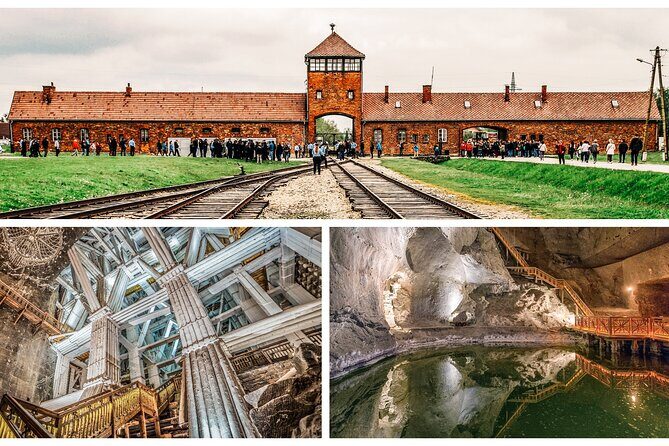
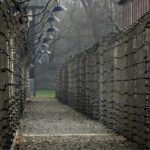
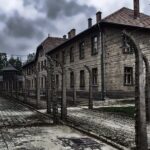
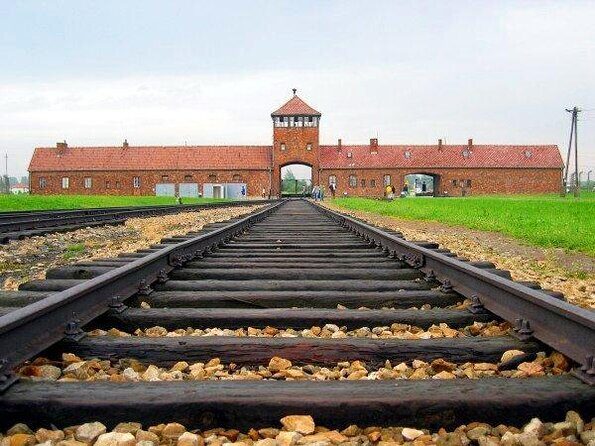
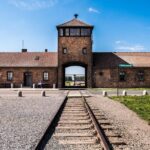
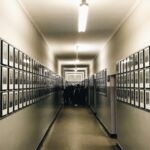
At Auschwitz I, you start by walking through the main gate of the camp. The tour passes under the notorious phrase Arbeit Macht Frei (Work Makes You Free). After that, the emphasis is on the original camp site: barracks, fortified walls, barbed wire fences, and the facilities tied to mass murder.
This portion is guided and runs about 2 hours. You’ll use headsets, which is a big deal here. The audio quality is often the difference between following the story and just hearing background noise while your mind tries to process too much.
The group stays relatively small at Auschwitz (about 30 people), which helps you hear your guide and keeps the pace human. Reviews also praise guides for being considerate and clear—one mention highlighted a guide/leader combination with great communication, including a person identified as Gregory.
What to watch for: the ground is uneven in places and you’ll be walking for long stretches. Wear shoes you trust. In winter, bring layers; one review described going in cold wind and emphasized warm clothing and good footwear.
Birkenau Auschwitz II: Vast Scale, Brutal Purpose, and Liberation
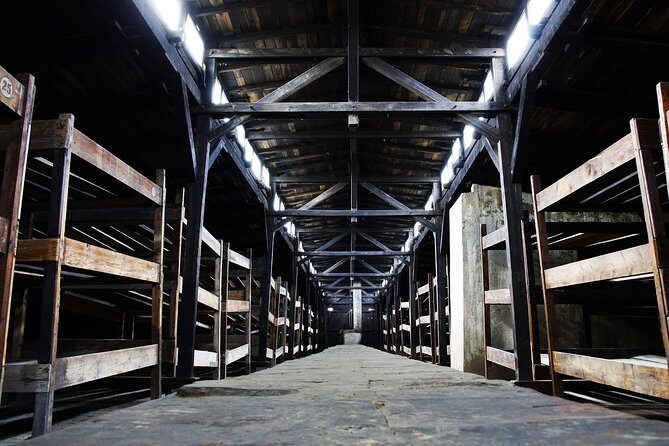
After Auschwitz I, you’ll get a short break (up to 15 minutes) and then transfer only a few minutes to Birkenau, the second camp. This is where the scale hits you differently. The camp was built and used with the intent of clearing Jews from Europe, and the tour explains how the brutal system worked—from living conditions to the selection process and Nazi medical crimes.
This Birkenau segment lasts about 1.5 hours and is guided. You’ll see the rows of gas chamber chimneys and the broader layout of train tracks and camp sections. The architecture and distance make it feel like the camp was engineered for scale and control, not normal life.
The tour also closes with the liberation timeline: on January 27, 1945, the gates of Auschwitz were opened by soldiers from the 60th Army of the First Ukrainian Front. Ending with liberation is important because it prevents the narrative from stopping in pure horror. You’re still left with the weight of genocide, but there’s a sense of why this memory matters.
Emotional pacing tip: Auschwitz is not a place where you should rush for photos. If you need quiet time, pause when your body asks for it. The guides are there for structure, but your job is to stay present.
Wieliczka Salt Mine: 140 Meters Down, 2.5 km of Salt Carvings
After Auschwitz, the day switches gears—same seriousness, different kind of impact. You’ll transfer to Wieliczka Salt Mine and get about an hour break beforehand for coffee, groceries, or rest.
Then you join an English guided tour, usually at 4pm or 5pm depending on road conditions. The timing matters because underground light and your energy levels can change how you experience the route. A few reviews noted that visiting the mine later in the day helped soften the emotional strain after Auschwitz.
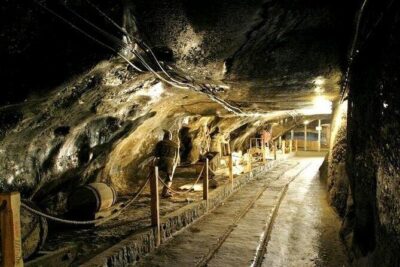
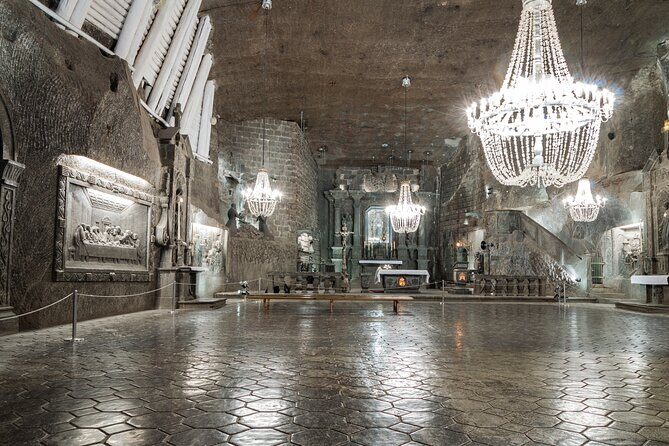
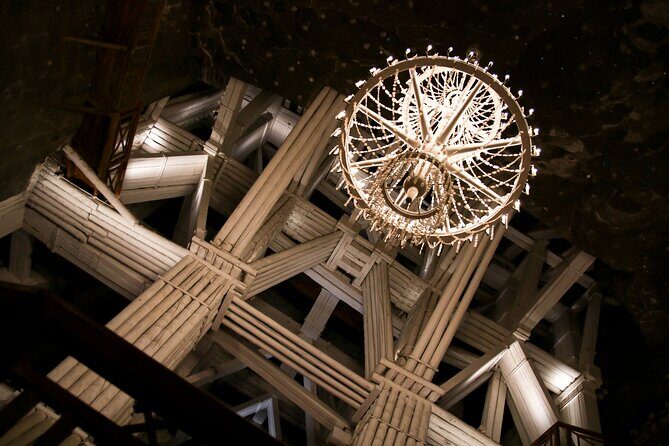
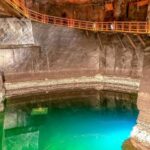
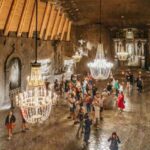
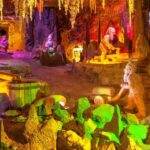
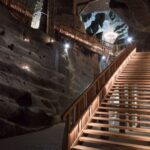
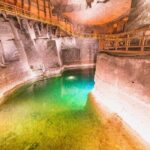
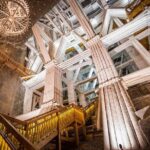
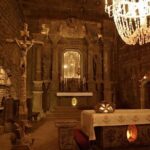
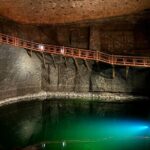
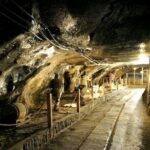
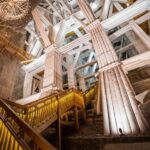
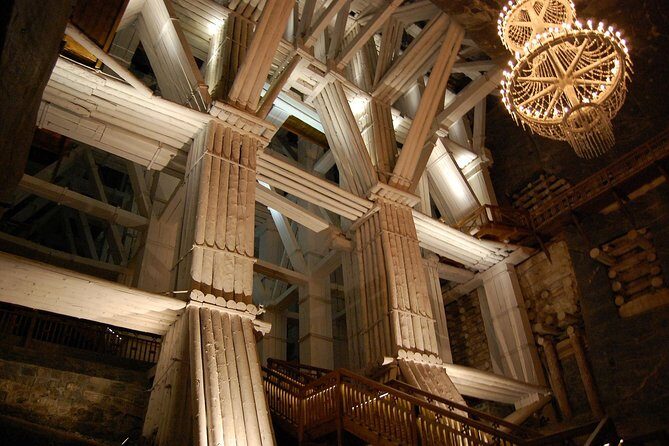
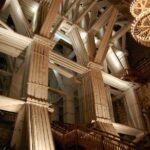
The mine tour takes you up to about 140 meters underground on a route that’s roughly 2.5 km and lasts about 2.5 hours, with chambers featuring salt carvings and statues. You’re not just walking; you’re learning how salt shaped the work and the culture around it over centuries—Wieliczka has been producing salt for over 700 years and is still a working mine.
Physical reality check: it’s not a flat, casual stroll. You’ll descend 400 steps and then follow a route with over 800 stairs total. Underground temperatures are around 15°C (59°F), so even if Krakow feels warm above ground, it can feel chilly once you’re down there.
One more practical detail from reviews: there’s an intimate lift segment people mention, but it’s quick. Don’t count on it replacing stairs. Count on stairs.
Also remember the rule: baby pushchairs aren’t allowed underground. If you’re traveling with an infant, you’ll need a baby carrier or sling.
Other full-day and day trips in Krakow


Price and Value: When $117.30 Feels Fair

At $117.30 per person, this kind of day trip can be great value—if you bought the real combo you wanted. The price is attractive because it includes transport, a professional guide, headsets, insurance, and entrance fees for Auschwitz and the salt mine (for the Auschwitz+Salt Mine option). You also get guaranteed skip-the-line tickets.
That’s not trivial. Without bundling, you’d likely pay for transport, tickets, and guidance separately, and you’d spend your day in queues or juggling different start times.
But here’s the main caution that can turn value into frustration: double-check your selected option. The operator offers different versions of this experience, including a salt mine only itinerary at a different price. Several disappointing stories trace back to travelers expecting Auschwitz but receiving only the salt mine. Because the vehicle routing depends on your booked option, the day can’t be “fixed on the fly” if you’re not on the correct itinerary.
So before you go, I’d do a quick sanity check:
- Confirm your voucher shows Auschwitz-Birkenau included (not just the salt mine).
- Make sure the title you booked matches the itinerary you want.
- Pack a way to contact the operator if there’s any confusion on pickup day.
Timing, Walking, and What to Pack (So You Don’t Hate Your Future Self)
This is a long day—about 10.5 hours total. The schedule includes transit, guided Auschwitz I, a quick break, guided Birkenau, then the Wieliczka transfer and underground tour.
In practice, that means:
- Plan for lots of walking with uneven surfaces at the camps.
- Plan for stairs underground at the salt mine.
- Plan to keep your lunch expectations realistic. There is a break before the mine, but the overall day is built around fixed tour windows.
What you should pack:
- A passport or ID for Auschwitz. Auschwitz requires you to confirm personal details at the entrance.
- Warm layers for winter or cold weather. One review highlighted wind-chill in winter months and recommended dressing warmly.
- Sturdy, grippy shoes. You’re on foot for hours.
- A small carry-on: the maximum size is 30 x 20 x 10 cm. Larger luggage can be left in the vehicle.
- A light jacket even in summer, if you tend to get cold; the mine stays about 15°C.
For behavior, follow the respectful rules on site. Photography is generally allowed with exceptions indicated onsite—so follow the signs rather than guessing.
Who This Tour Fits Best (and Who Might Want a Different Plan)
This tour is a strong fit if:
- You want one guided day that covers Auschwitz-Birkenau + Wieliczka.
- You prefer a structured schedule that handles tickets and transport.
- You’re okay with a heavy subject paired with a “reset” experience underground afterward.
It might not be the best fit if:
- You’re sensitive to long days and heavy emotional material.
- You have mobility limitations that make long walking and many stairs difficult.
- You dislike the idea of a packed schedule with limited flexibility for lingering.
I’d also say it’s ideal for first-time visitors to Krakow who don’t want to spend time researching multiple ticket systems and driving yourself between sites.
Should You Book This Auschwitz and Salt Mine Day Trip?
If you book the correct option, this is a very solid way to do two UNESCO sites in one day without turning your trip into a logistics puzzle. The headsets, professional guidance, entrance fees included, and the clear Auschwitz structure are the big wins. The salt mine tour is genuinely memorable for its carvings and the sheer difference in atmosphere—many people find it emotionally balancing after Auschwitz.
My advice: book it if your top priority is efficiency plus guidance. Skip it (or choose carefully) if you’re prone to booking confusion, because the biggest downside isn’t the camps or the mine—it’s the risk of ending up on the wrong itinerary.
FAQ
How long is the Auschwitz-Birkenau and Wieliczka Salt Mine day trip?
The tour runs about 10 hours 30 minutes (approx.).
Does this tour include hotel pickup in Krakow?
Pickup is offered. You can be picked up from your specified hotel or from a designated meeting point, depending on the option you choose.
Are entrance fees included?
Yes. Entrance to Auschwitz-Birkenau State Museum (for the Auschwitz option) and entrance to Wieliczka Salt Mine are included, along with skip-the-line entrance tickets.
Do I need identification for Auschwitz?
Yes. You’re required to bring a passport or ID for Auschwitz-Birkenau to confirm your personal details at the entrance.
How deep do you go in the Wieliczka Salt Mine?
The guided tour takes you up to about 140 meters underground.
What is the salt mine tour duration and route length?
The underground experience lasts about 2.5 hours and covers an approximately 2.5 km tourist route.
Is food included during the day?
No. Food and drinks are not included. You’ll have a break before the salt mine where you can grab something to eat or rest.