REVIEW · KRAKOW
Krakow: Auschwitz-Birkenau and Wieliczka Salt Mine Day Trip
Book on GetYourGuide →Operated by Krakowbooking · Bookable on GetYourGuide
Two words: bring respect.
This tough day trip pairs Auschwitz-Birkenau, with its surviving prison areas and gas-chamber remains, and then switches gears to Wieliczka Salt Mine, where statues and chapels are carved from rock salt. I like that you’re not left to figure it out alone: you travel with an English-speaking driver and licensed guides who help the story make sense.
I also love the contrast in places. One half of your day is about the machinery of WWII genocide; the other half is an underground salt-world with healing-leaning climate talk and micro-element-filled air. The main drawback is simple: it’s a long, walking-heavy day, and the salt mine includes a steep stair descent early on, so it’s not a fit for claustrophobia or limited mobility.
In This Review
- Key things I’d watch for before you go
- A packed 11-hour day in Lesser Poland: what the timing really means
- Getting from Krakow to Auschwitz: air-conditioned comfort, clear handoffs
- Auschwitz-Birkenau with a licensed English guide: what you’ll actually see
- Birkenau’s railway ramp and prison remains: how the scale hits
- Wieliczka Salt Mine: statues, chapels, and the underground-city feeling
- Steps, shoes, and low ceilings: the physical reality of this day trip
- Price and value: why $131 can make sense (or not)
- What to bring (and what to leave behind)
- Lunch time and the food question nobody loves
- Who should book this Auschwitz and Wieliczka combo
- Should you book this tour?
- FAQ
- How long is the Krakow Auschwitz-Birkenau and Wieliczka Salt Mine day trip?
- Where is pickup included?
- Are tickets and guides included?
- Is food included?
- Does this tour skip the ticket line?
- What personal information do I need to provide for Auschwitz-Birkenau?
- What if my name on the booking doesn’t match my ID?
- How many stairs are in the Wieliczka Salt Mine?
- Who should avoid this tour?
- Is the tour refundable if I cancel?
Key things I’d watch for before you go
- Skip-the-line ticketing: you still need to go through security, but you’re not stuck waiting at the busiest entry points.
- Licensed English guides at both stops: your day depends on explanations, not guesswork.
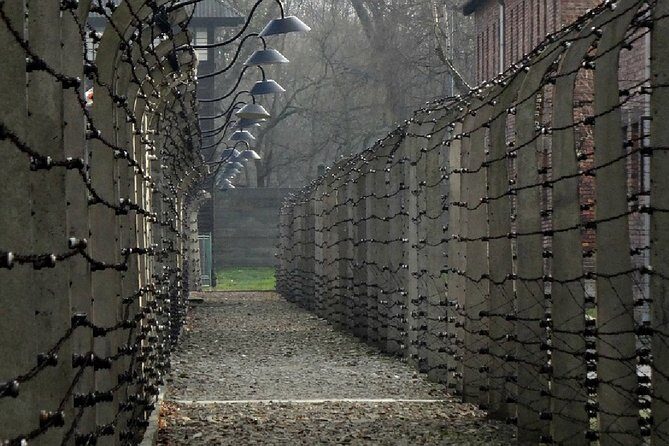
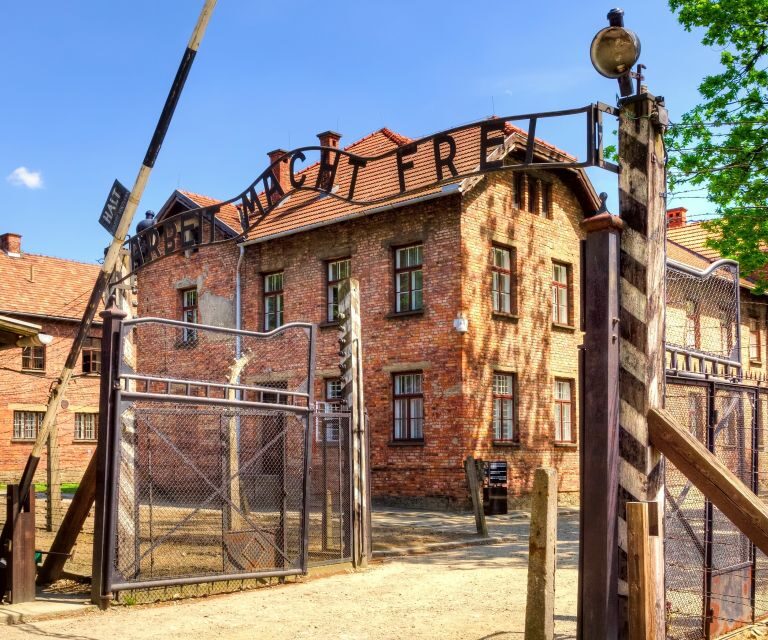
- Auschwitz-Birkenau is intense: you’ll see gas chambers and prison-block remains, including the Birkenau railway ramp.
- Wieliczka is physically demanding: expect roughly 800 steps, with 350 right at the start as you go down.
- Food and drinks are not included: you’ll want a plan for that short lunch window.
- Names must match ID: provide full name and contact details, or entry can be refused.
A packed 11-hour day in Lesser Poland: what the timing really means
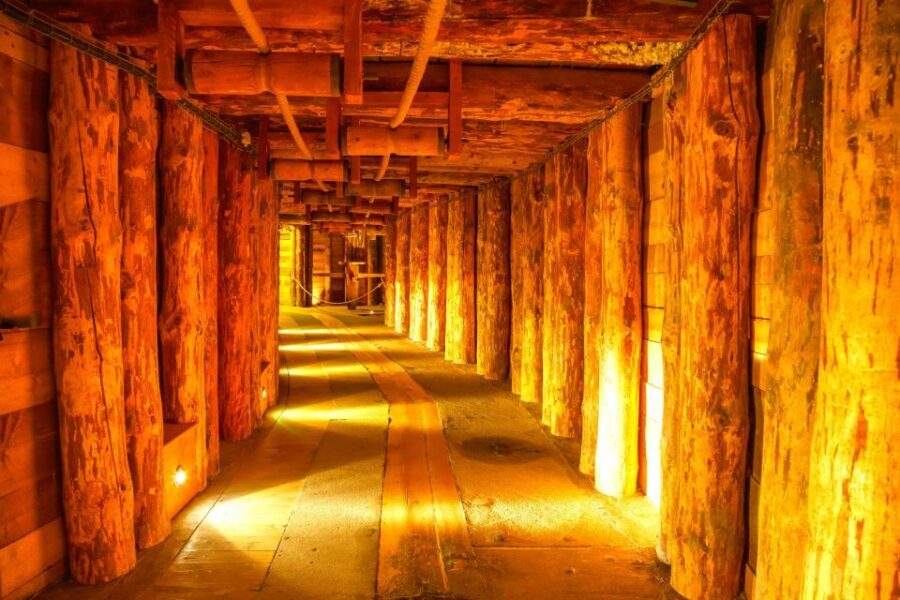
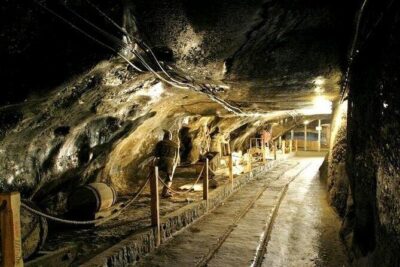
This is an 11-hour full-day tour from Krakow that hits two major sites in one shot: Auschwitz-Birkenau first, then Wieliczka Salt Mine. The flow matters. Auschwitz-Birkenau is emotionally heavy and usually takes time to absorb, even when the guide keeps things moving. Wieliczka then feels like a strange reset: dark underground corridors, rock-salt rooms, and carved chapels that look almost like something out of a dream.
The itinerary design is practical: you get an included lunch break of 40–60 minutes between Wieliczka and Auschwitz. That break is enough to eat, but not enough to turn it into a slow sit-down meal, especially if lines form around the food options. If you’re the type who gets shaky without a snack, consider bringing something simple so you’re not stuck choosing quickly.
Other Auschwitz-Birkenau combo tours from Krakow
Getting from Krakow to Auschwitz: air-conditioned comfort, clear handoffs
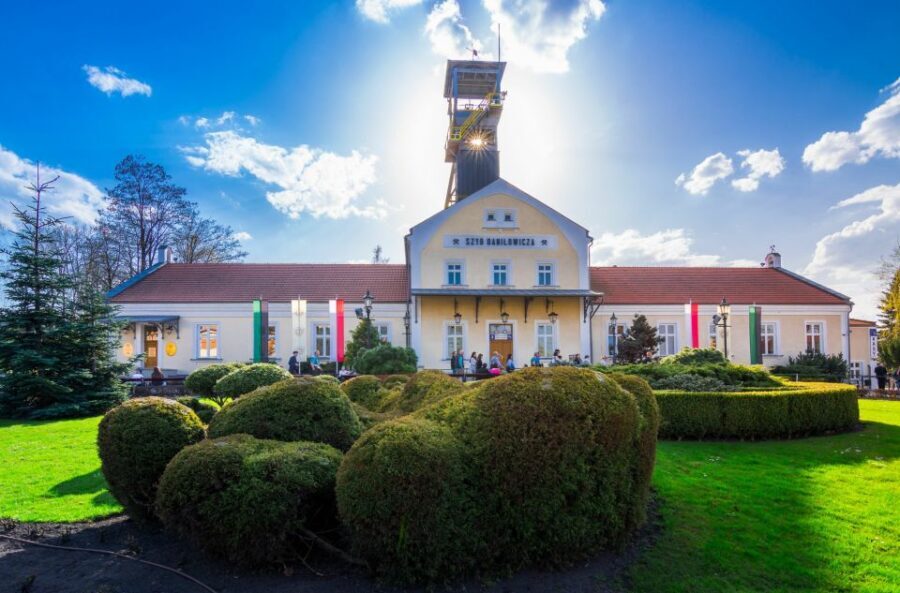
You’ll start with pickup included from the Radisson Blu Hotel or Hotel Maltański. From there, you ride in an air-conditioned vehicle. That sounds basic, but on days like this, comfort buys you patience—because once you arrive, you won’t have many chances to slow down.
You’ll also have an English-speaking driver who helps the day run on schedule. In real life, it’s not the driving that tests you; it’s the time lost when people are late, confused, or miss security rules. This tour’s structure is built around clean transitions between stops, which keeps the overall pace manageable for a long day.
Auschwitz-Birkenau with a licensed English guide: what you’ll actually see
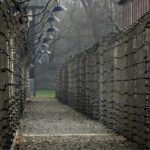
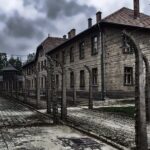
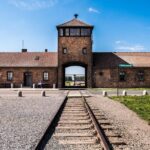
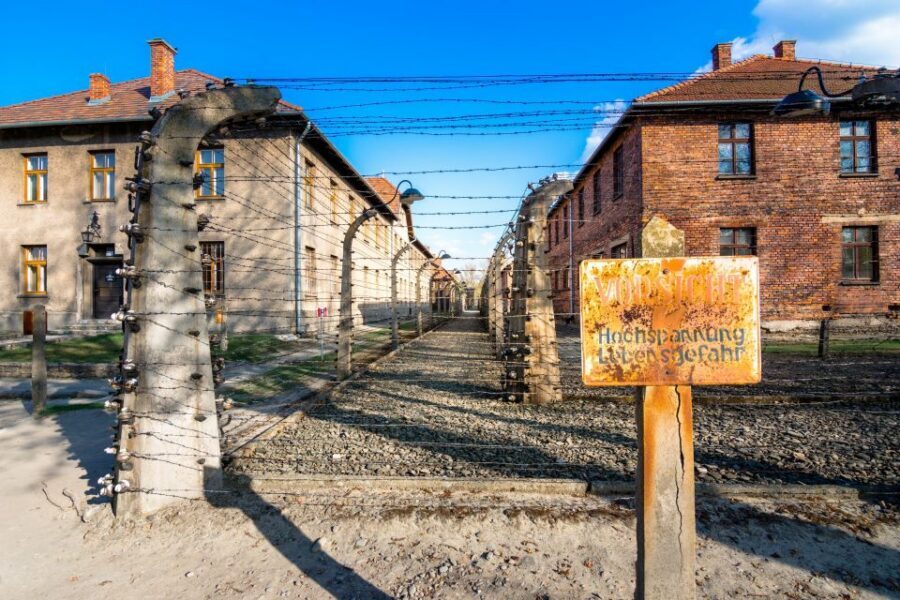
This part is not casual sightseeing. Auschwitz-Birkenau is about the horrors of the largest concentration camp from World War II. The tour brings you through the remains in a way that tries to connect you to what happened, not just what exists now.
With a licensed live English guide, you’ll see original areas including:
- the remains of gas chambers
- prison blocks
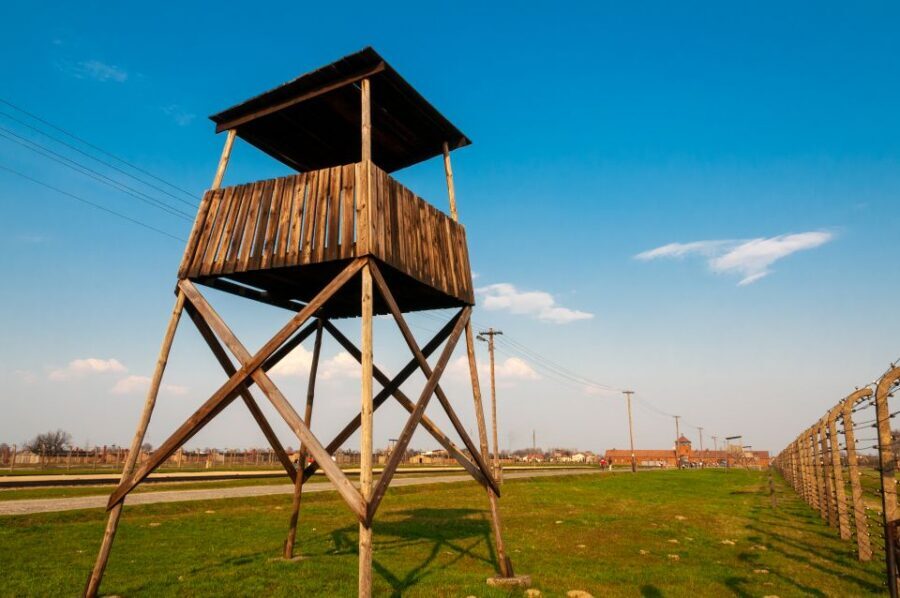
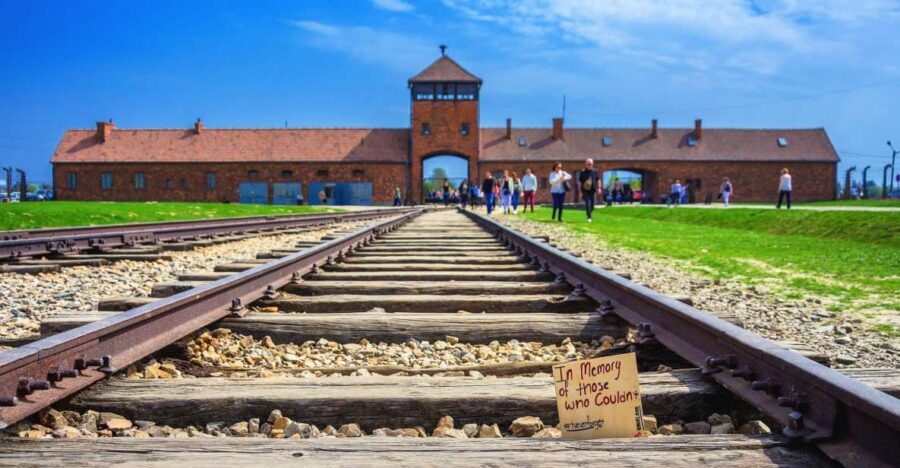
- the railway ramp in Birkenau, where prisoners arrived
These aren’t “photo stops.” They’re places with an emotional charge, and a guide’s job is to keep you oriented while you’re walking through spaces people once forced into terror. I especially appreciate when guides can answer the small questions people don’t know to ask—because that’s usually what makes the experience click rather than stay abstract.
Because Auschwitz-Birkenau requires ticketing and security procedures, the tour includes entrance tickets and a skip-the-ticket-line benefit. That’s value here. More time inside means less waiting outside, and inside you’ll be following the guide’s timing anyway.
Birkenau’s railway ramp and prison remains: how the scale hits
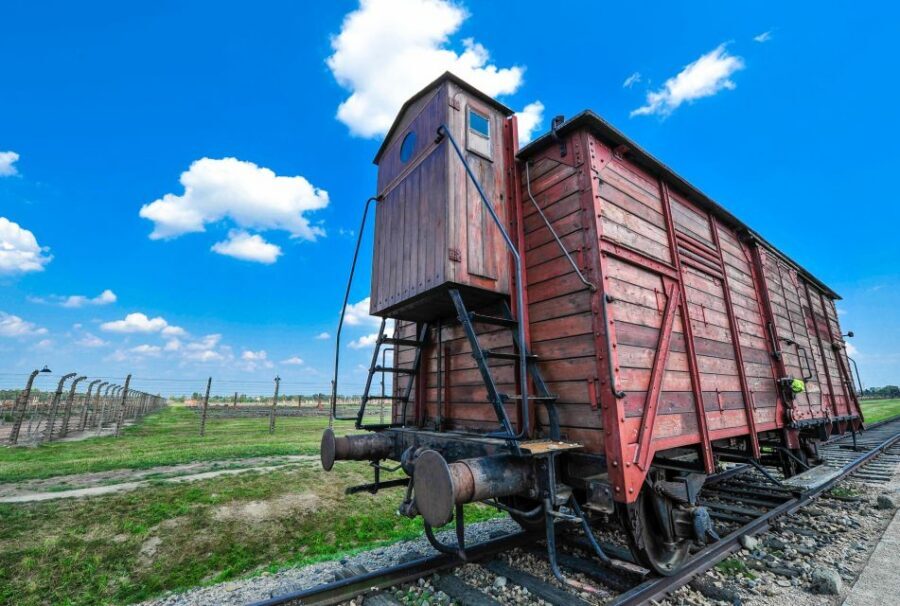
Birkenau can feel like it takes your breath away, even before you fully process what you’re seeing. The reason is scale and layout. When you stand where people arrived, the space suddenly has a purpose you can’t ignore. The tour specifically includes the remains of the railway ramp, which is one of those details that helps explain how deportation systems worked.
You’ll also be walking through prison-area remains, including gas-chamber-related structures. This is the kind of place where it’s easy to get overwhelmed—so the guide’s pacing is important. The best tours don’t rush you past the heavy stuff, but they also don’t let the group drift. This one is set up for guided movement through key areas.
If you’re sensitive to heavy historical content, plan your expectations. This isn’t a “one day in Krakow” add-on. It’s the day’s center of gravity, and it deserves your full attention.
Wieliczka Salt Mine: statues, chapels, and the underground-city feeling
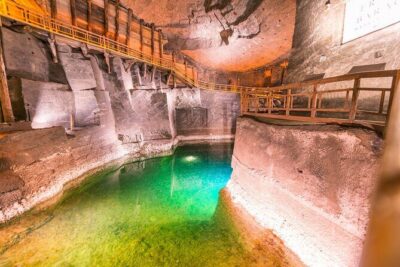
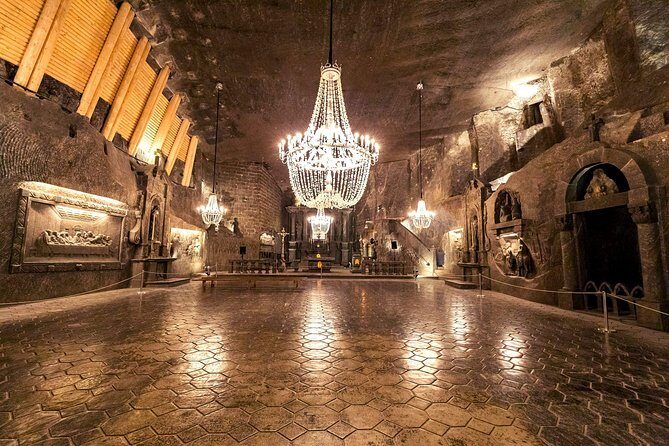
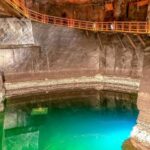
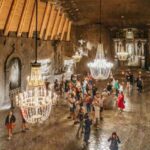
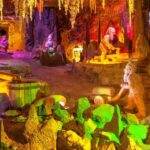
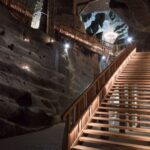
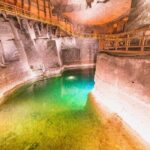
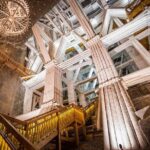
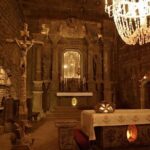
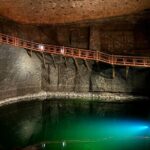
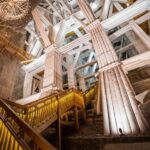
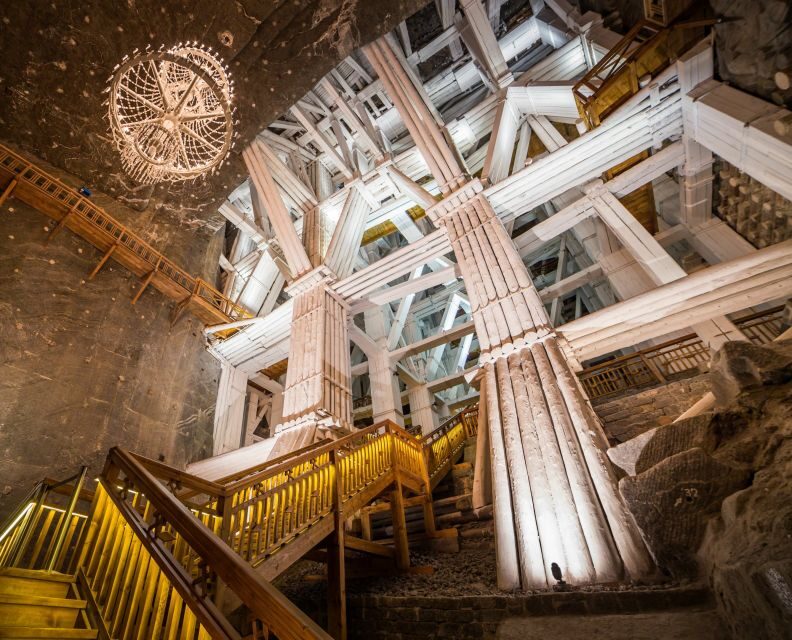
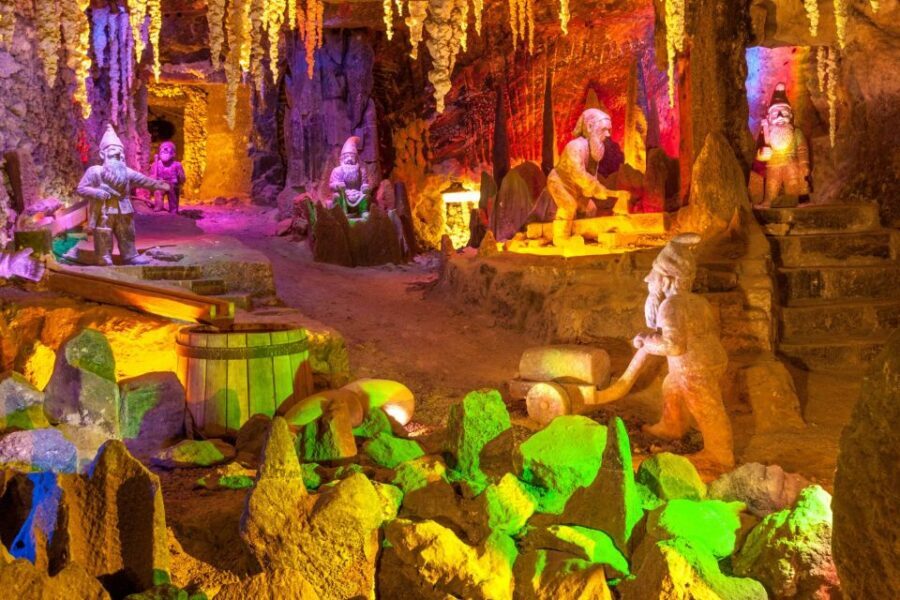
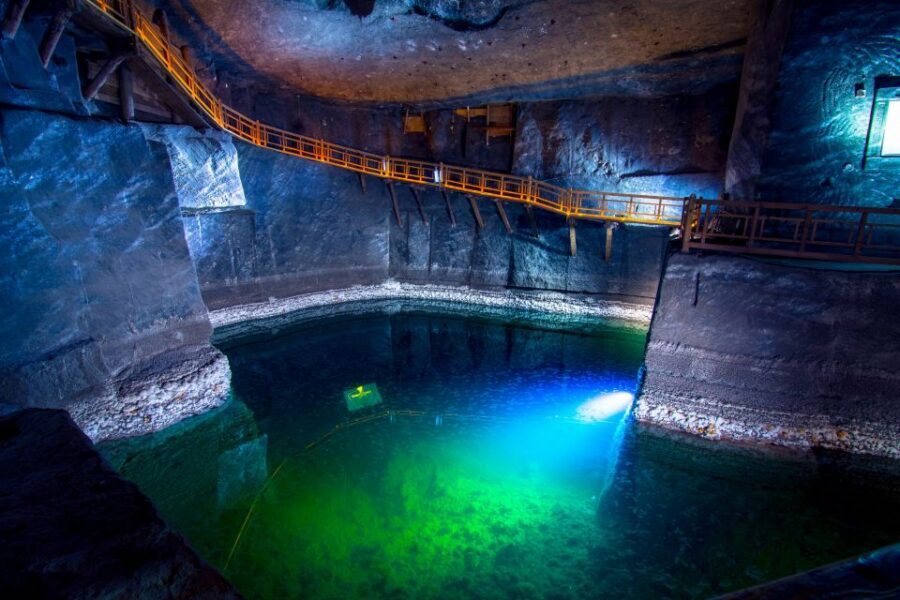
After Auschwitz-Birkenau, Wieliczka Salt Mine is a major tone shift. Instead of grim brick and stone, you get a world of rock salt carved into statues and chapels. Your guide leads you through an underground city concept, plus you’ll hear about the mine’s history and salt extraction going back to the Middle Ages.
What I like here is that the mine isn’t just “look at cool rooms.” The guided approach ties together:
- how the mine works historically
- why certain spaces exist underground
- what the carved salt art represents in that environment
The tour also mentions healing properties tied to the mine’s special climate and micro-element-filled air. I treat that as part of the experience framing, not a medical claim. Still, it’s a memorable theme: you’re underground, breathing air that feels curated by the setting, and you’re surrounded by craftsmanship that only makes sense in salt.
And yes, the visuals are striking. In a day that starts with genocide and ends underground, those carved chapels really land.
Other full-day and day trips in Krakow


Steps, shoes, and low ceilings: the physical reality of this day trip
Let’s talk body math. This tour includes major walking and stairs, and the salt mine is the headline act for that.
At the mine:
- you’ll face about 800 steps total
- about 350 steps are at the beginning, as you go down into the mine
- the elevator is used only to get to the surface from the bottom
- some areas can have low ceilings, so taller visitors should watch their head
This is why the tour isn’t recommended for people with walking disability or claustrophobia. It’s not just “a little staircase.” It’s a real vertical effort.
Also, you need comfortable shoes. Bring footwear that handles uneven underground surfaces and lots of steps. If you’re used to comfortable walking at city pace, you’ll still feel this. If you’re not, you’ll notice it quickly.
On top of the mine steps, Auschwitz-Birkenau involves walking across museum grounds and through memorial spaces. The day is long enough that sore feet can turn into a problem before you even reach the salt.
Price and value: why $131 can make sense (or not)
At $131 per person for an 11-hour day, you’re paying for logistics plus two guided museum entries. What’s included is the big value hook:
- pickup and drop-off
- transportation by air-conditioned vehicle
- English-speaking driver
- entrance tickets and licensed live guides in both Auschwitz-Birkenau and Wieliczka Salt Mine
- a 40–60 minute lunch break between sites
What’s not included: food and drinks. That’s the one cost you’ll likely have to add yourself, and it matters because the lunch window is relatively short.
So here’s how I’d judge value for you:
- If you want English guidance at both major stops and don’t want to manage transport across town yourself, the price is reasonable.
- If you’re traveling on a tight budget and you’re comfortable arranging tickets and transport, the value shifts away from the tour bundle.
- If you can’t handle a full day with heavy walking and stairs, don’t force it. A cheaper “maybe I’ll survive it” plan won’t feel cheaper later.
What to bring (and what to leave behind)
This day trip has real security and space limits. Build your kit around them.
Bring:
- passport or ID card
- comfortable shoes
The tour requires you to provide your full name and contact details when booking. Auschwitz-Birkenau entry can be refused if the name you provide does not match the name on the ID. That’s not a place to gamble with typos.
Don’t bring:
- pets
- luggage or large bags
- baby carriages
- bags larger than 30 x 20 x 10 cm inside both places (the size limit is enforced)
If you’re thinking about photos and chargers, plan for a small bag only. It’ll save you time at security and help the day feel less stressful.
Lunch time and the food question nobody loves
Lunch is included only as time, not as food. You get 40–60 minutes between Wieliczka and Auschwitz, and the site cafés can get crowded. I recommend you plan snacks or a simple meal strategy so you’re not hunting quickly while everyone else is doing the same.
Also, remember that you’re switching between underground and memorial spaces. You don’t want to spend your “recovery break” waiting in lines and trying to decide what’s available.
One practical approach: pack easy food before you go. It lets you eat on your schedule rather than the crowd’s.
Who should book this Auschwitz and Wieliczka combo
This tour fits best if you:
- want licensed English guidance at Auschwitz-Birkenau and Wieliczka Salt Mine
- can handle a long day with serious walking and stairs
- are comfortable with heavy historical subject matter
It may not fit if you:
- have claustrophobia
- have mobility limitations
- need to avoid lots of stairs and low-ceiling areas in enclosed spaces
It also isn’t recommended for children aged 13 and under, based on the tour guidance.
Should you book this tour?
If you want one organized day that covers both Auschwitz-Birkenau and Wieliczka Salt Mine, this is a strong way to do it. The biggest reasons: you get licensed guides in English at both sites, the transport is handled from Krakow, and you’re not left managing museum entry alone.
My advice is to book only if you’re ready for two truths at once: Auschwitz-Birkenau is emotionally demanding, and Wieliczka has a real stair workload. If either of those would feel like a stretch, pick a different pace. But if you’re game—bring good shoes, keep your bag small, and give your guide room to do their job. The day feels heavy, and the salt mine helps you end on something entirely different. That contrast is exactly why the pairing works.
FAQ
How long is the Krakow Auschwitz-Birkenau and Wieliczka Salt Mine day trip?
The tour lasts 11 hours. Starting times depend on availability.
Where is pickup included?
Pickup is included from the Radisson Blu Hotel or Hotel Maltański in Krakow.
Are tickets and guides included?
Yes. The tour includes entrance tickets and a licensed live English guide for Auschwitz-Birkenau Museum and for the Wieliczka Salt Mine.
Is food included?
No. Food and drinks are not included. The itinerary includes a lunch break between Wieliczka and Auschwitz.
Does this tour skip the ticket line?
Yes. The tour includes skip-the-ticket-line access.
What personal information do I need to provide for Auschwitz-Birkenau?
You must provide your full name and contact details as part of the booking process, as required by the Auschwitz-Birkenau Memorial and Museum.
What if my name on the booking doesn’t match my ID?
Entry may be refused if the name on the booking isn’t identical to the name on your ID when entering.
How many stairs are in the Wieliczka Salt Mine?
You should expect about 800 steps to climb, with about 350 steps at the beginning as you go down. The elevator is used only to get up to the surface from the bottom.
Who should avoid this tour?
The tour is not recommended for people with walking disabilities or claustrophobia. It is also not recommended for children aged 13 and under.
Is the tour refundable if I cancel?
No. The activity is non-refundable based on the stated cancellation policy.